
Table of Contents
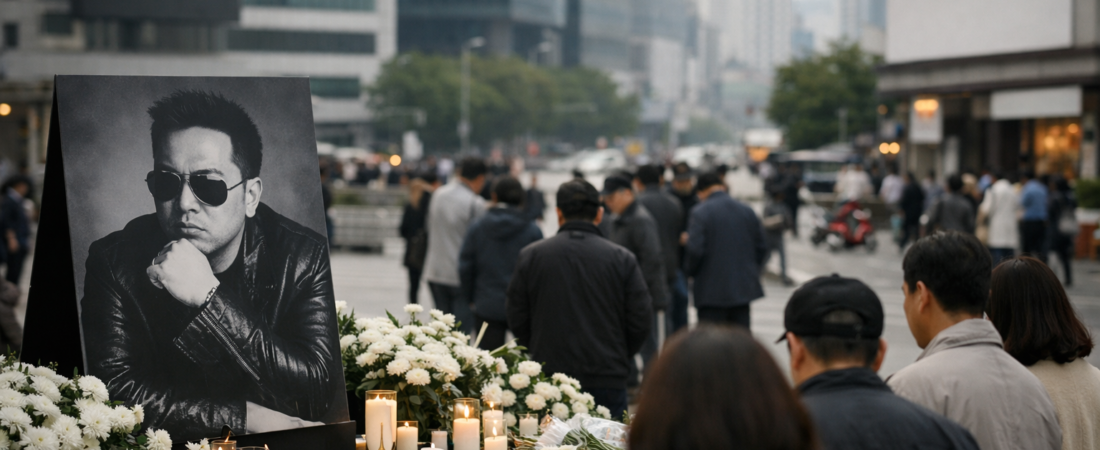
Shin Hae-chul, the late singer known as Korea’s “Maestro of Rock,” will receive the Silver Crown Culture Medal this year. The award comes 12 years after his death in 2014. Yoo Jae-suk, Han Young-ae, and BLACKPINK will also receive culture medals at the same ceremony.
Why does a posthumous honor still matter so many years later? That question sits at the heart of this year’s “2026 Korea Popular Culture and Arts Awards.” The Ministry of Culture, Sports and Tourism and the Korea Creative Content Agency will hand out medals and citations to 36 people and teams at the National Theater of Korea in Seoul on October 29.
Shin Hae-chul’s Posthumous Honor
Shin Hae-chul built his reputation as one of Korea’s boldest musical voices. He fronted the band Nexus, later known as N.EX.T, and pushed Korean rock toward darker, more experimental territory than most artists dared to attempt in the 1990s. Fans still call him “Mawang,” a nickname meaning “Demon King,” a title that captured his fearless stage presence.
His sudden death in 2014 shocked the Korean music industry. Yet his influence never really faded, has it? Younger musicians still cite his albums as reference points for artistic risk-taking, and his medal recognizes decades of lasting cultural impact rather than a single moment of fame.
The Silver Crown Culture Medal ranks among Korea’s highest civilian cultural honors. Awarding it to Shin Hae-chul signals that Korean cultural institutions now view his legacy as part of the country’s broader artistic history. For readers unfamiliar with his catalog, you can find background through Khan, the Korean news outlet that first reported this story.
Who Else Is Receiving Culture Medals in 2026
Shin Hae-chul is not the only name on this year’s list. Yoo Jae-suk, often called the nation’s most trusted television host, will also receive a culture medal. Singer Han Young-ae, a veteran performer admired for her soulful voice across five decades, joins him.
Perhaps the most globally recognizable name on the list is BLACKPINK. The group will receive a culture medal for its role in spreading Korean pop music worldwide. Their inclusion alongside Shin Hae-chul shows how broadly Korea now defines cultural achievement, spanning rock pioneers, television personalities, and global pop idols.
This year’s ceremony will award culture medals to 10 individuals, plus presidential citations and additional honors, bringing the total to 36 people and teams. That range reflects a deliberate curatorial choice. Organizers wanted recognition to stretch across genres rather than concentrate on a single corner of the entertainment industry.
Think about how different these honorees are from one another. A rock singer who died over a decade ago, a beloved comedian-host, a veteran singer, and a globally famous girl group all share the same stage this year. That mix itself tells a story about how wide Korean popular culture has grown.
Understanding Korea’s Culture Medal System
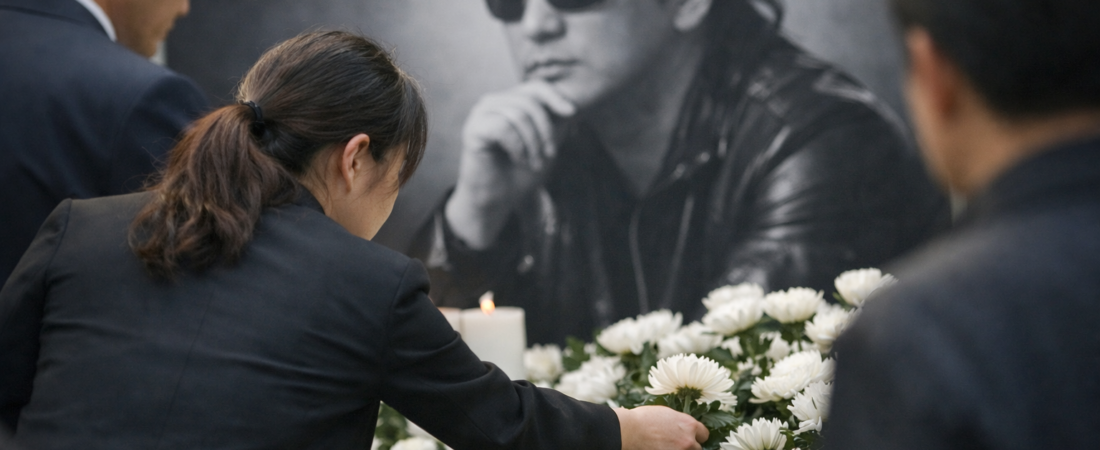
Korea’s culture medal system dates back decades and ranks among the government’s formal honors structure. The medals recognize individuals who have made lasting contributions to Korean culture, arts, or entertainment. Tiers exist within the system, with the Silver Crown Culture Medal sitting among the more prestigious levels awarded to performing artists.
Have you ever wondered how a country decides who deserves this kind of lasting recognition? Korea’s Ministry of Culture, Sports and Tourism works with the Korea Creative Content Agency to review candidates each year. They weigh career achievements, cultural influence, and public contribution before finalizing names.
The “Korea Popular Culture and Arts Awards” ceremony itself has become something of an annual institution. Previous years have honored directors, actors, musicians, and even behind-the-scenes industry figures. Shin Hae-chul’s medal this year stands out because it recognizes someone the industry already considers a legend, not an emerging talent.
It is worth noting how rare posthumous culture medals actually are. Giving one to Shin Hae-chul suggests his cultural legacy has only grown clearer with time. Korean cultural policy, in this sense, keeps revisiting its own history to decide who truly shaped the nation’s artistic identity.
Why This Recognition Matters Today
Right now in Korea, BLACKPINK’s culture medal is drawing particular attention. The group ranks among the most streamed and most searched K-pop acts globally, so pairing their honor with Shin Hae-chul’s creates a striking generational bridge. One artist shaped Korean rock in the 1990s; the other shapes global pop charts today.
For readers outside Korea, this story offers something more than award-show trivia. It shows how a country actively works to connect its cultural past with its present success. Korea takes its popular culture seriously enough to formally honor it (yes, with an actual government ceremony and medals, not just a trophy handed out backstage).
There is something quietly moving about a government formally honoring an artist who died over a decade ago. It would be easy to only celebrate living stars who still sell tickets and trend online. Yet choosing to remember Shin Hae-chul alongside BLACKPINK admits that cultural value does not expire with time, even if the industry around it often moves on quickly to the next big thing.
Of course, formal recognition has its limits too. A medal cannot undo the years an artist spent misunderstood or underappreciated while still alive, and institutional honors sometimes arrive only once public opinion has already settled. Still, the willingness to correct that imbalance, even late, says something hopeful about how a society chooses to remember its artists rather than simply forget them.
Korea’s culture medal list for 2026 captures a nation thinking carefully about its artistic legacy. Shin Hae-chul’s inclusion reminds global audiences that Korean cultural history runs deeper than its current pop exports. What do you think about honoring an artist like Shin Hae-chul more than a decade after his passing?
AI-Generated Photorealistic Image — All people, scenes, and details in this image are entirely AI-generated and fictional. Not a real photograph of an actual person or event. 이 이미지는 AI로 생성된 가상 이미지입니다.


Leave a Reply