Table of Contents
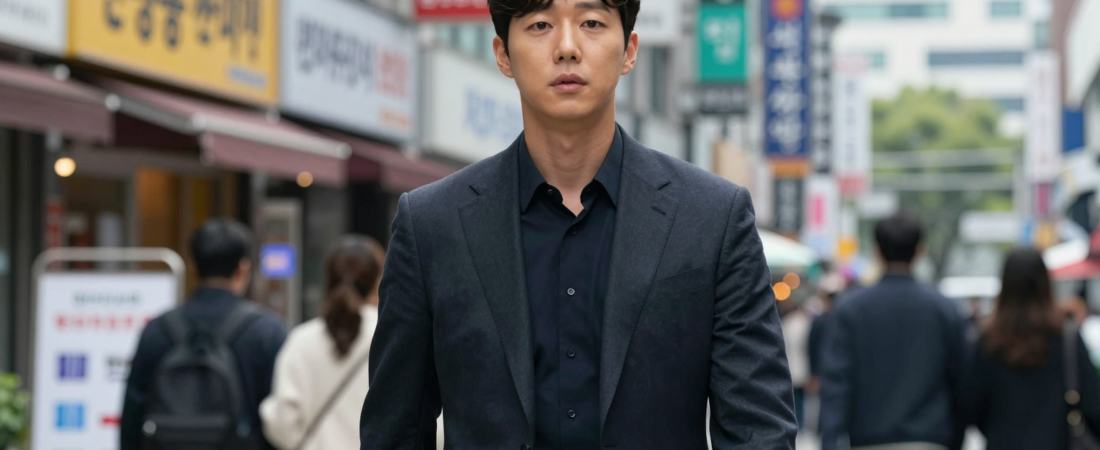
Actor Lee Jung-jae said fan words about Korean pride touched him most deeply, at a Netflix fan event in Seoul this week. The “Squid Game” star spoke on October 24 at a celebration marking Netflix’s tenth anniversary in Korea. Fans told him they felt proud to be Asian and Korean, and that comment stayed with him.
Have you ever heard something so simple it stopped you in your tracks? That is exactly what happened to Lee Jung-jae.
He stood in front of global fans at an event called “Netflix Jan-chi,” a Korean word meaning “feast” or “celebration.” Broadcaster Kim Shin-young hosted the gathering at the Mapo Culture Depot, a repurposed oil storage facility in Seoul’s Sangam district.
Lee Jung-jae’s Emotional Moment in Seoul
Lee Jung-jae shared his thoughts with the crowd in plain, heartfelt language. He said overseas fans telling him they felt proud of being Korean or Asian hit him harder than any award or box office number. That single sentence says a lot about what success means to Korean performers today.
Why would praise from strangers overseas mean more than a trophy? Because it signals something bigger than one actor’s career.
Lee Jung-jae became a global name through “Squid Game,” a show that turned a Korean survival drama into a worldwide conversation. His comments at this event show that fame has not dulled his sense of what the show actually represents. For him, representing Korea well carries real weight.
The setting itself mattered too. The Mapo Culture Depot, once an industrial fuel site, now hosts cultural events celebrating creativity and renewal. It is a fitting backdrop for a conversation about how Korean content transformed over the past decade, turning old infrastructure into new storytelling spaces.
Netflix and Korea: A Ten-Year Partnership

Netflix entered the Korean market exactly ten years before this event, and the “Netflix Jan-chi” marked that milestone. The platform’s early years in Korea were modest. Few predicted that a decade later, Korean shows would top global charts.
Think back to 2016. Korean dramas were popular across Asia, but global crossover hits were rare outside niche fan circles.
Netflix changed that equation by investing directly in Korean productions and distributing them to over 190 countries. Shows like “Squid Game,” “Kingdom,” and “Sweet Home” proved that Korean storytelling could resonate far beyond its home audience. Lee Jung-jae’s career became a symbol of that shift, moving from respected domestic actor to internationally recognized star.
This event, hosted by Kim Shin-young, brought together fans and creators to mark that transformation. (Yes, someone actually built an entire festival around one streaming platform’s birthday in Korea — that is how seriously this industry takes its milestones.) The gathering reflected not just corporate celebration, but genuine fan enthusiasm built over years of binge-watching and online fan communities.
For readers curious about the scale of this growth, outlets like The Korea Herald have tracked how Korean content investment reshaped the streaming landscape globally.
Why Global Pride Matters to Korean Actors
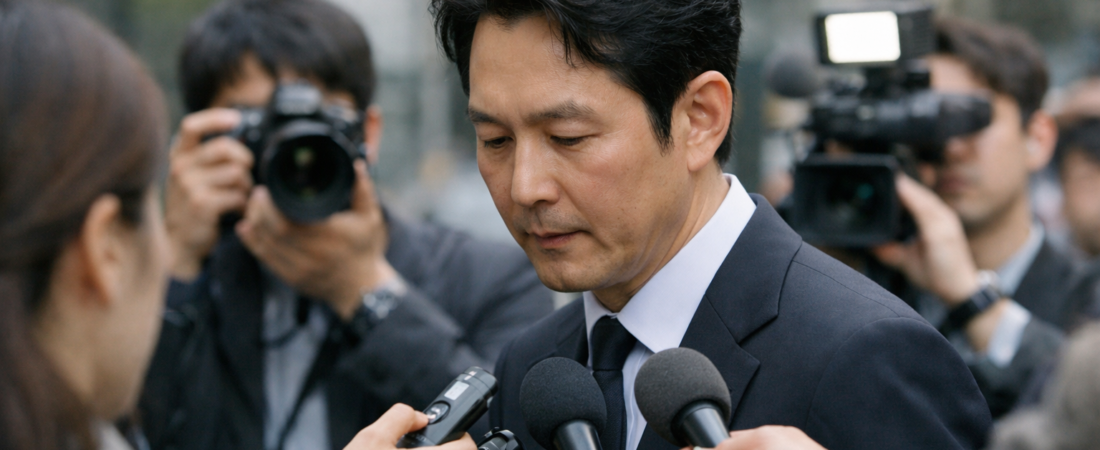
Lee Jung-jae’s comment about pride touches something deeper than personal flattery. Korean actors, musicians, and directors often describe representing their country as a responsibility, not just a job. Why does that sense of duty run so strong in Korean entertainment culture?
Part of the answer lies in history. Korea spent decades building its global image after war, division, and rapid economic change.
Cultural exports became a way to tell a different story about the nation, one centered on creativity rather than conflict. When fans overseas say they feel proud to be Korean because of a show, that connects directly to this larger national narrative. Lee Jung-jae, as one of the most visible faces of that narrative, clearly feels the weight of it.
This is where the reflection gets complicated, and worth sitting with for a moment. National pride tied to entertainment success can lift people up, giving young Koreans a sense that their culture matters on a world stage. But it can also quietly pressure actors, writers, and musicians to carry symbolic weight far beyond their craft, turning every project into a referendum on how the country is perceived.
That tension does not have an easy resolution, and maybe it should not. The healthier version of this dynamic looks less like constant performance anxiety and more like communities, both inside Korea and among global fans, choosing to celebrate individual artistic achievement without demanding it also represent an entire nation. Lee Jung-jae’s own humility in this moment, thanking fans rather than claiming credit, points toward that gentler path.
What This Means for K-Content’s Future
Lee Jung-jae’s remarks arrive at a moment when Korean content faces real questions about sustaining momentum. Can the industry keep producing hits at the pace it has over the last ten years? Competition from other markets is growing, and audience attention is harder to hold than ever.
Yet moments like this fan event suggest something durable beneath the hype. Fan loyalty built over years does not disappear overnight.
Lee Jung-jae himself represents continuity rather than a flash in the pan, having worked steadily in Korean film and television long before “Squid Game” made him a household name internationally. His presence at this Netflix anniversary event signals that the relationship between Korean creators and global platforms keeps deepening, not fading. The next decade will likely bring more collaborations, more crossover stars, and more moments where fans tell Korean actors exactly what Lee Jung-jae heard this week.
Korean entertainment will keep evolving, shaped by streaming economics and shifting audience tastes. But the core exchange Lee Jung-jae described, fans finding pride and connection through Korean stories, seems unlikely to fade anytime soon. What do you think makes Korean content resonate so strongly with audiences who have never set foot in Korea?
AI-Generated Photorealistic Image — All people, scenes, and details in this image are entirely AI-generated and fictional. Not a real photograph of an actual person or event. 이 이미지는 AI로 생성된 가상 이미지입니다.



Leave a Reply