Table of Contents
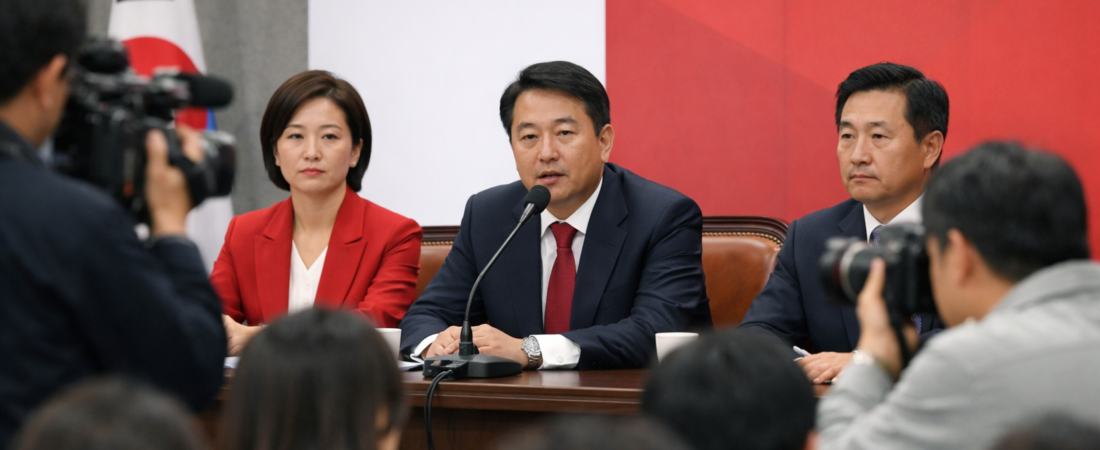
Can a political party discipline its own lawmakers without tearing itself apart? The People Power Party is testing that question right now. Disciplinary proceedings against three sitting lawmakers have triggered an intense backlash inside the party, and the fallout is far from over.
This isn’t just an internal HR matter. It’s a fight over who controls the party’s direction, and how much power one leader should hold.
What Sparked the People Power Party’s Internal Storm
The trouble started when the People Power Party moved to open disciplinary procedures against three of its own sitting members of the National Assembly. That decision alone would raise eyebrows in any party. But the timing and manner of the move made things worse.
The three lawmakers didn’t stay quiet. They pushed back immediately, framing the disciplinary action as something much bigger than routine party discipline.
Their argument? The party leadership is turning the People Power Party into a personal vehicle, rather than a democratic organization. In Korean politics, this accusation has a name: sadanghwa, or the “privatization” of a party by its leader.
This isn’t a new phrase in Korean political history. Critics have leveled the same charge against leaders across party lines for decades, whenever a chairman appears to sideline internal dissent. Sound familiar? It should—because this pattern repeats itself almost every election cycle in Korea.
What makes this case different is the direct, public nature of the pushback. The accused lawmakers aren’t whispering complaints to reporters off the record. They’re openly challenging the party’s leadership structure, and that takes real political courage—or real political desperation.
Accusations of One-Man Rule Inside the People Power Party
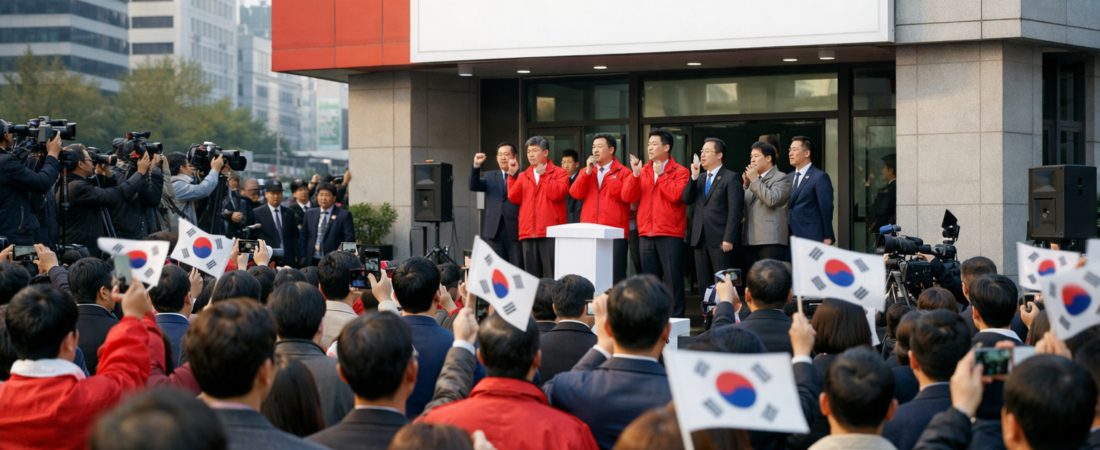
Here’s the core question dividing the People Power Party right now: does the party leader have too much control? The lawmakers facing discipline clearly think so. They argue the entire process was designed to punish dissent, not uphold party ethics.
Think about what this means practically. If a party leader can single-handedly target lawmakers who disagree with them, what happens to internal debate?
Healthy political parties need friction. They need members who challenge leadership decisions, question strategy, and sometimes vote against the party line. Without that friction, a party risks becoming an echo chamber built around one person’s preferences.
The People Power Party has wrestled with this tension before. Korean conservative politics has a long history of strong, centralized leadership styles, dating back to the authoritarian-era party structures of the 1970s and 1980s. Old habits, it seems, die hard.
But modern Korean voters expect more transparency and internal democracy from their parties. That expectation is exactly why this disciplinary controversy has become such a flashpoint. The People Power Party now faces a credibility test, not just with these three lawmakers, but with its broader membership and voter base.
You have to wonder: how many other members are watching silently, afraid to speak up next?
The Ethics Committee Under Fire
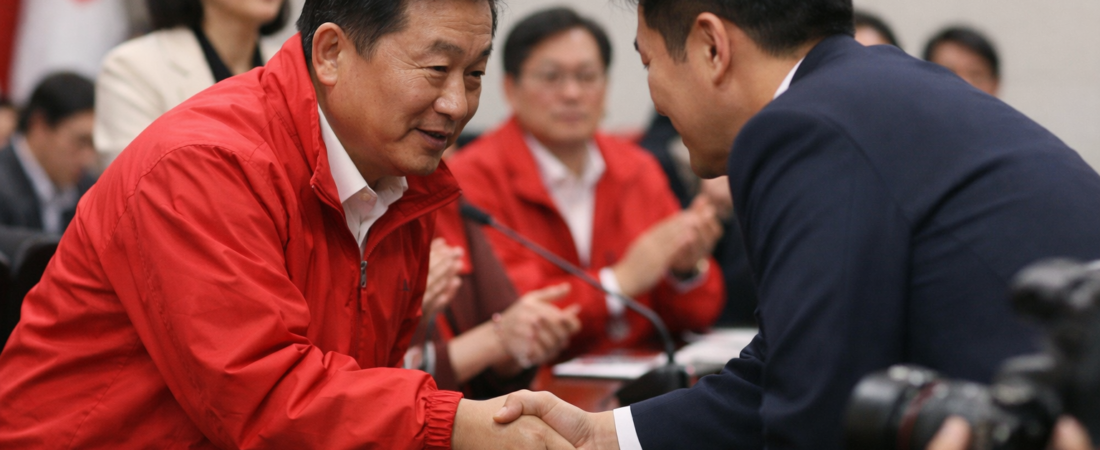
Disciplinary decisions inside Korean political parties typically flow through an ethics committee. In theory, this body exists to ensure fairness and due process. In practice, the People Power Party’s ethics committee is now facing serious internal criticism of its own.
Committee members reportedly raised concerns about how the disciplinary process was launched. Some argue the decision-making process lacked proper consultation. Others question whether the committee operated independently, or simply carried out instructions from party leadership.
This is where things get complicated. An ethics committee that appears to rubber-stamp leadership decisions loses its entire purpose.
Fairness isn’t just about the final outcome—it’s about the process itself. If members believe the process was tilted from the start, no verdict will feel legitimate to them. That’s a fundamental problem for any organization built on internal trust.
For readers unfamiliar with Korean party structures, ethics committees like this one function similarly to internal review boards in Western political parties, but often with less independent authority. This structural weakness is precisely what critics inside the People Power Party are now exploiting to challenge the current disciplinary case.
According to reporting from Yonhap News Agency, the disciplinary case has exposed deeper cracks in how the People Power Party manages internal conflict. That’s a warning sign worth taking seriously.
Why does this matter beyond party politics? Because ethics committees exist precisely to prevent leadership overreach. When that safeguard breaks down, party unity breaks down with it.
What Comes Next for the People Power Party
So where does this leave the People Power Party? The disciplinary process isn’t finished. It still needs to move through further deliberation and a formal vote before any final decision takes effect.
Expect more turbulence along the way. Every stage of this process—from committee review to final vote—now carries political weight far beyond the three lawmakers directly involved.
This case has become a proxy battle over party leadership itself. Will the People Power Party emerge from this with clearer, more transparent internal rules? Or will it deepen the perception that one figure holds too much unchecked power?
The answer matters for South Korean democracy more broadly. Political parties function as the backbone of representative government. When a major party like the People Power Party struggles with internal fairness, it sends ripples through the entire political system, not just party headquarters.
International observers watching Korean politics should pay close attention here too. Party discipline controversies often foreshadow larger leadership contests down the road. Historically, in Korean politics, internal party conflicts like this one have sometimes preceded major leadership changes or even party splits, as seen in past conservative party reorganizations.
Could this become another turning point for the People Power Party? It’s too early to say for certain. But the pattern feels familiar to anyone who has followed Korean party politics closely.
One thing is clear: the People Power Party cannot simply wait this out quietly. The longer this dispute drags on, the more it risks damaging public trust in the party’s internal governance. Voters notice these things, especially ahead of upcoming elections.
For Dr. Ji, the lesson here extends beyond one party or one country. Political organizations everywhere face this same tension between centralized leadership and internal democracy. Korea’s current example offers a useful case study for anyone studying how modern political parties manage—or mismanage—internal dissent.
What do you think about how the People Power Party is handling this internal conflict? Does strong centralized leadership serve a party well, or does it ultimately weaken it from within?
AI-Generated Photorealistic Image — All people, scenes, and details in this image are entirely AI-generated and fictional. Not a real photograph of an actual person or event. 이 이미지는 AI로 생성된 가상 이미지입니다.


Leave a Reply