Table of Contents
Population-Declining Regions Show Signs of Life
Can a single holiday season change the fate of a shrinking town? For Korea’s population-declining regions, the first quarter of 2026 offered a small but hopeful answer. Local governments recorded a modest rise in “living population” — the count of people who actually stay, visit, or work in an area — compared to the same period last year.
Three things drove this uptick. The Lunar New Year holiday brought families back to their hometowns. Local festivals pulled in visitors, and the surprise box-office hit “The Man Who Lives with the King” sent film tourists chasing filming locations.
None of this is dramatic. But for regions that have watched their populations quietly empty out for years, even a small increase feels worth noticing.
What Exactly Are Population-Declining Regions?
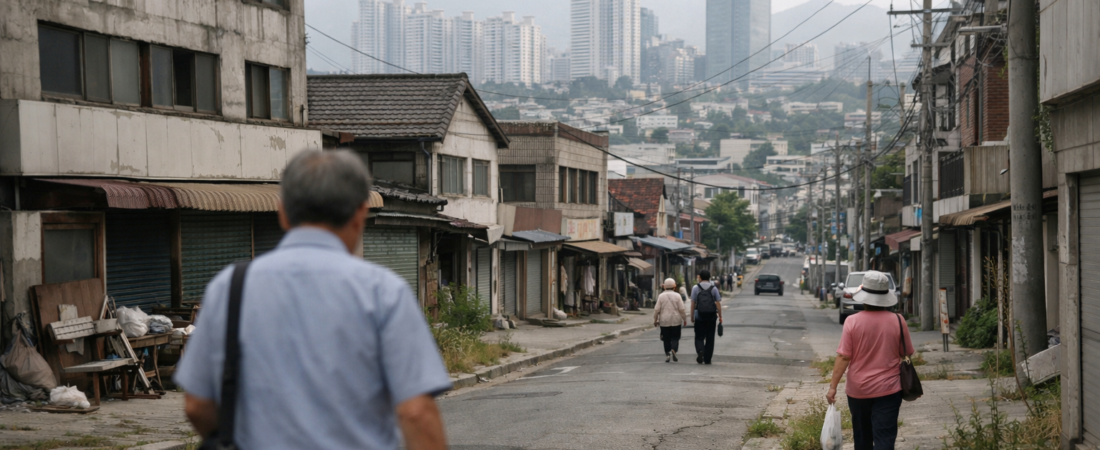
South Korea officially designates certain cities and counties as population-declining regions. These are mostly rural or small-city areas where birth rates have collapsed and young people have moved to Seoul or other major cities. The government tracks them closely, because their long-term survival is now a national policy concern.
Here’s where it gets interesting. Instead of relying only on registered residents, Korean statisticians now measure “living population” — a broader figure that includes short-term visitors, commuters, and tourists. Why does this matter?
Because a town can look empty on paper while still buzzing with temporary life. Someone who visits a rural festival for three days, or returns home for Lunar New Year, technically boosts that town’s living population — even if they never move their official address there. This measurement shift matters for population-declining regions trying to prove they still have economic and social pulse.
Understanding this distinction helps explain why the recent numbers, while small, still made headlines. Local officials in population-declining regions have long argued that resident registration alone underestimates real activity. The living population metric gives them a fairer, if still imperfect, way to tell their story.
Three Forces Behind the Small Rise
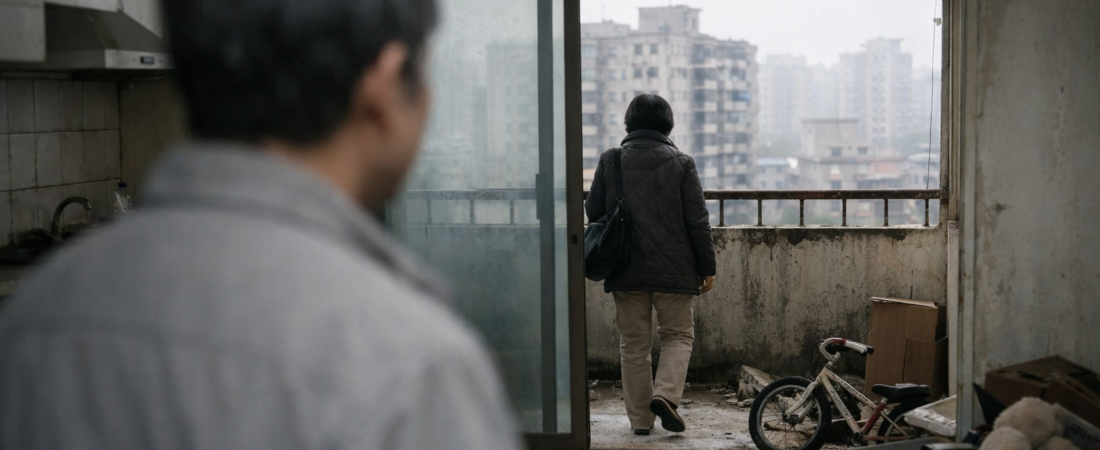
Let’s break down what actually moved the needle. First, Lunar New Year travel remains one of Korea’s biggest seasonal migrations — imagine Thanksgiving traffic, then triple it, and you get a sense of the scale. Millions of people leave cities and head to ancestral hometowns, many of which sit squarely inside population-declining regions.
Second, local festivals played their part. Regional governments have spent years building signature events — food festivals, cultural fairs, seasonal celebrations — specifically to draw outside visitors. These events are not new, but their cumulative pull on tourism numbers appears to be growing steadier each year.
Third, and perhaps most unexpected, was the movie effect. “The Man Who Lives with the King” became a surprise hit, and its filming locations turned into informal tourist attractions. Fans traveled to see the actual towns and streets featured on screen.
You can find a broader breakdown of how Korean regional statistics are tracked through Yonhap News Agency. This kind of cultural-tourism ripple effect is not unique to Korea, but it does show how entertainment and regional policy can intersect in surprising ways. Still, ask yourself this: how long can a single film keep a town’s visitor numbers up?
The honest answer is not very long. Film tourism tends to fade once public attention moves to the next hit show or movie. That’s precisely why the rise in population-declining regions, while genuinely welcome, needs to be read with some caution.
Why a Small Bump Won’t Solve Korea’s Bigger Problem
Here’s the harder truth. The increase in population-declining regions was small — not a turnaround, just a pause in the decline. Holidays end. Festivals close. Movie buzz fades within months, sometimes weeks.
The structural problem underneath remains untouched: fewer babies are born, fewer young adults choose to stay, and aging populations continue to shrink these communities from the inside. So what does this mean for the future of population-declining regions? It means short-term boosts are welcome, but they are not a substitute for long-term solutions like job creation, housing incentives, and better transportation links to major cities.
This is where the story becomes less about statistics and more about people. A grandmother waiting all year for her grandchildren to visit during Lunar New Year is a picture of real warmth — the kind of family closeness Korea is often admired for. But that same tradition also reveals a quieter loneliness: the other 362 days when her town feels empty and her neighbors grow older without replacement.
The structural decline in these communities is real, and pretending otherwise would be dishonest. Yet hope is not absent either. Some local governments are experimenting with remote-work villages, youth resettlement subsidies, and shared agricultural cooperatives that let newcomers try rural life without full commitment.
These efforts are small, imperfect, and slow — but they represent people actively working toward something better, not simply mourning what has been lost. Population-declining regions may not reverse their trajectory overnight, yet each festival, each film location, each holiday homecoming plants a small seed of possibility. The real test is whether policymakers can turn temporary visitors into permanent residents, one town at a time.
Looking ahead, Korea’s population-declining regions will likely keep experimenting with tourism, culture, and media as short-term tools. The bigger question is whether the country can pair these creative sparks with serious, sustained investment in rural livelihoods. What do you think it will take to bring lasting life back to Korea’s shrinking towns?
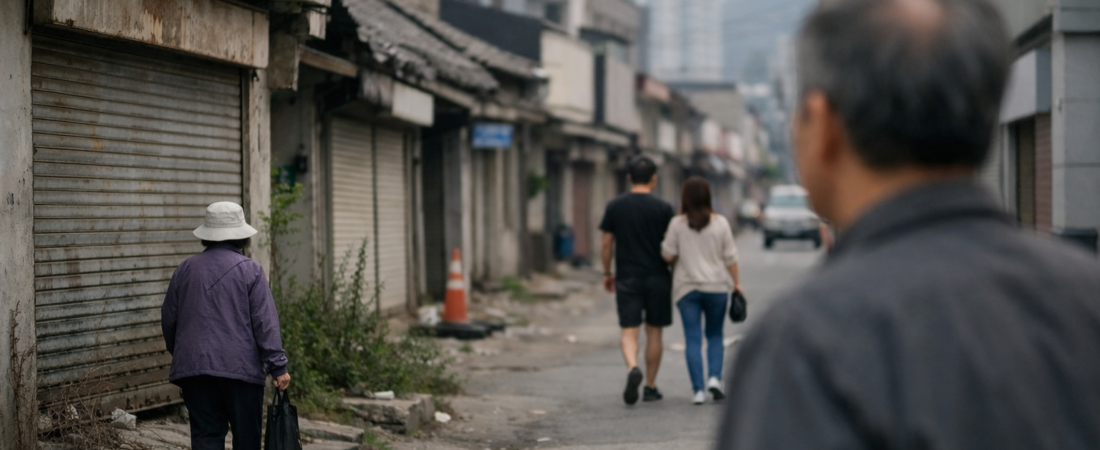
AI-Generated Photorealistic Image — All people, scenes, and details in this image are entirely AI-generated and fictional. Not a real photograph of an actual person or event. 이 이미지는 AI로 생성된 가상 이미지입니다.



Leave a Reply