Table of Contents
North Korea now threatens execution for watching South Korean dramas, according to leaked military education materials obtained by Radio Free Asia. One soldier’s confession letter describes “regret” after watching banned footage multiple times. These documents reveal just how far North Korea will go to block outside culture from reaching its people.
Does that sound extreme to you? It is extreme, and it is also real policy inside one of the world’s most closed societies.
North Korea has spent years trying to seal off its population from South Korean influence. But as you’ll see below, the harder officials crack down, the more creative citizens become at getting around the rules.
North Korea Escalates Crackdown on K-Dramas
The leaked footage shows a soldier bowing his head, writing pages of self-criticism after being caught watching South Korean content. He calls it a “regret” that changed how he spoke and thought. Officials label this kind of influence as talking like “puppets” — their term for South Koreans.
This material, produced in 2023, is still used today as ideological training for North Korean soldiers. Why would a regime need such graphic warnings? Because the content keeps spreading despite every barrier Pyongyang builds.
North Korea passed the Reactionary Thought and Culture Rejection Law in 2020, sharply increasing penalties for consuming foreign media. Since then, training videos have grown more severe, some soldiers getting handcuffed on stage in front of their units. One speaker in the footage even demands “immediate execution” for people caught watching banned recordings.
Soldiers caught with foreign phones or banned videos reportedly received sentences of five years or more in labor camps. These sentences are not eligible for pardons, according to the report. The punishment for North Korea’s citizens who simply want entertainment has become severe enough to rival sentences for serious crimes.
This pattern tells you something important about how worried Pyongyang really is. A regime does not create execution threats for something harmless. The fact that North Korea treats a TV drama like a national security threat says more about its own fragility than about the content itself.
Bribes and Connections Decide Your Fate
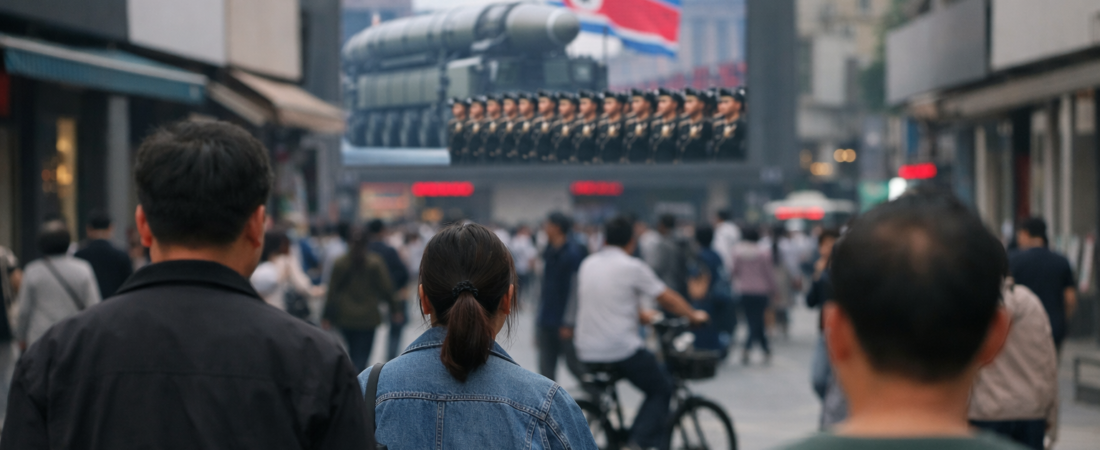
According to the Korea Institute for National Unification’s annual White Paper on North Korean Human Rights, enforcement has tightened sharply since around 2019. One defector interviewed for the report said watching a South Korean film costs one year in a labor camp per hour watched. A person who watched seven hours of South Korean film reportedly received a seven-year sentence.
In October 2022, a 22-year-old resident of Yongyon county in South Hwanghae Province was reportedly executed publicly for watching and distributing banned recordings. North Korea maintains a special enforcement unit known as Unit 109, dedicated solely to raiding homes and searching for banned content. Unannounced searches are common, according to defector testimony.
But here’s where it gets interesting — not everyone faces the same punishment. Money and connections change everything. One defector said their family paid 15,000 Chinese yuan, roughly 315,000 Korean won, to reduce a six-month sentence after their son was caught listening to South Korean music in 2018.
Amnesty International documented a case where someone caught watching South Korean dramas three separate times avoided punishment entirely, thanks to family connections. Think about that for a second. The law on paper claims absolute severity, but in practice, wealth and status create loopholes even in North Korea’s most controlled system.
This gap between stated law and lived reality reveals something universal. Even in a system built on total control, human relationships and resources still shape outcomes. North Korea’s harsh rhetoric about South Korean dramas exists alongside a quiet, unofficial market where punishment becomes negotiable.
North Korea Tries to Fight Back With Its Own Dramas
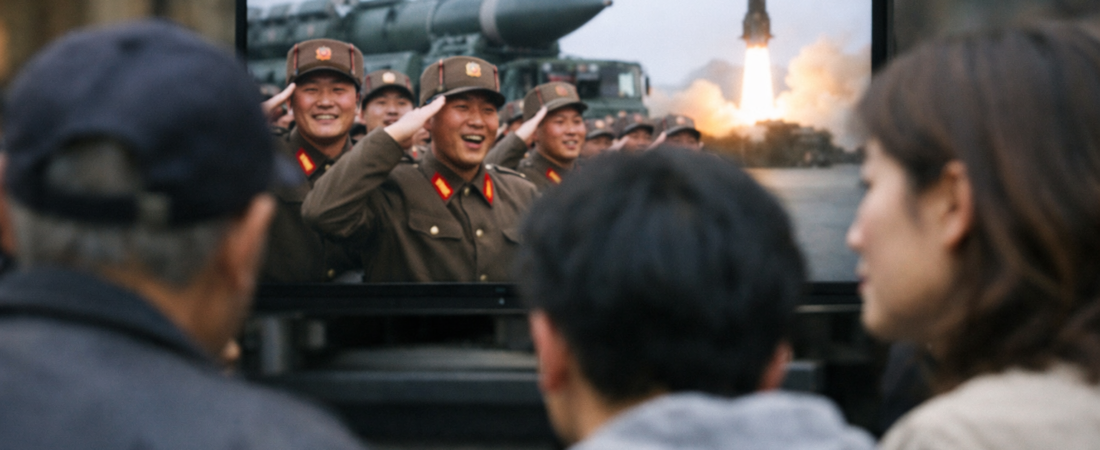
North Korean films and dramas exist mainly to deliver political messages, which makes them far less entertaining than content from the outside world. So it makes sense that North Korean citizens seek out foreign shows. Pyongyang seems to understand this too — simple punishment isn’t solving the underlying problem.
Last year, Korean Central Television aired a drama called “New Spring of Baekhak Valley,” a rural romance series that some have compared to South Korea’s hit drama “When Life Gives You Tangerines.” It includes young romance storylines and even a scene where a mother rejects her son’s girlfriend over unequal family status. Sound familiar? It’s a classic K-drama cliché, apparently borrowed wholesale by North Korean scriptwriters.
Other North Korean dramas have reportedly added murder and affairs to spice up their storylines. North Korea is clearly trying to create its own version of addictive, emotionally charged content. But closing the quality gap with South Korean production values remains a steep climb, something like trying to out-spice a five-alarm dish with ketchup.
Since deepening ties with Russia, North Korean state television has also broadcast Russian rock concerts to its citizens. This suggests officials view Russian culture as less threatening than South Korean culture, likely because it doesn’t share the same language or recent historical memory. Whether homemade dramas or imported Russian content can truly replace the pull of South Korean shows remains an open question.
What This Means for the Outside World
You might wonder why any of this matters if you live thousands of miles from the Korean peninsula. Here’s the answer: North Korea’s crackdown on South Korean dramas tells us something about the power of storytelling itself. People risk years in labor camps, even execution, just to watch a show about ordinary family life and romance.
That tells you culture travels in ways governments struggle to stop, even under the most repressive conditions on earth.
It’s worth pausing here and holding two truths together. North Korea’s punishment system is genuinely brutal — public executions, labor camps, and family separation for something as ordinary as watching television are real and documented. No amount of context softens that reality, and it deserves to be named clearly rather than minimized.
And yet, inside that same harsh system, something quietly persistent keeps showing up: ordinary people continuing to seek connection, romance, and shared human stories, even at enormous personal risk. Defectors who share these accounts with researchers and journalists are also part of that resistance, choosing to document what happens rather than let it stay hidden. Their testimony, collected through groups like the SBS News, becomes one of the few windows the outside world has into daily life under North Korean rule.
North Korea’s relationship with South Korean dramas will likely keep evolving as access to outside media becomes harder to fully block. Smuggled USB drives, SD cards, and informal trade routes have proven difficult for any government to eliminate completely. The question now is whether increased punishment can outpace growing demand, or whether North Korea’s own content strategy might eventually need to loosen its grip instead.
What do you think drives people to take such enormous risks just to watch a television show?
AI-Generated Photorealistic Image — All people, scenes, and details in this image are entirely AI-generated and fictional. Not a real photograph of an actual person or event. 이 이미지는 AI로 생성된 가상 이미지입니다.

Leave a Reply