Table of Contents
Right Now: Korea’s August Extraordinary Session Opens Under Pressure
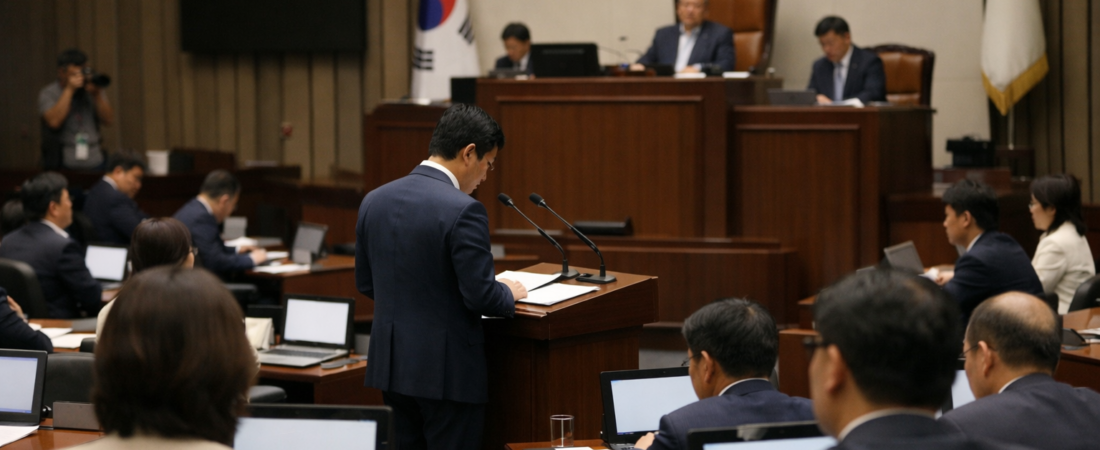
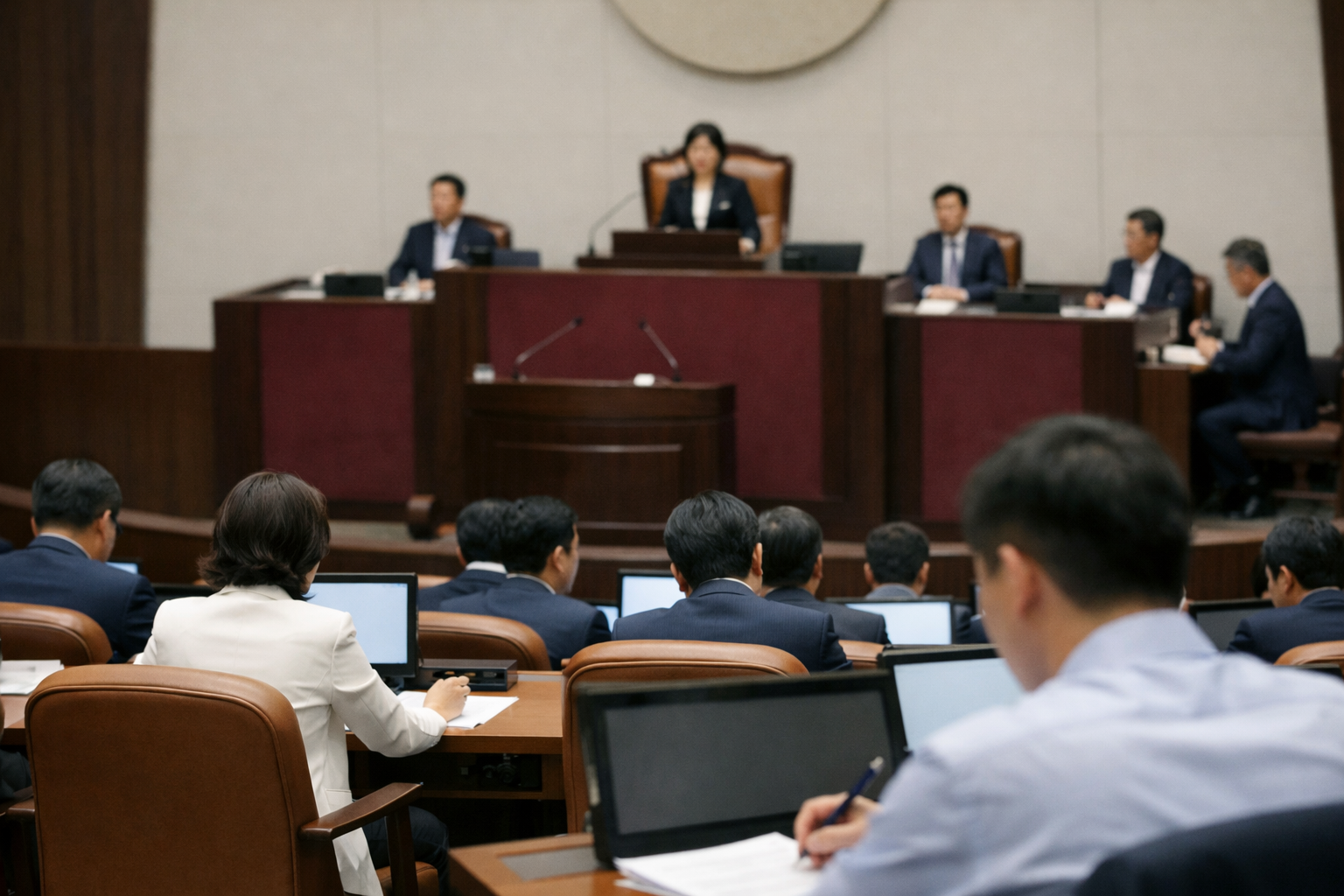
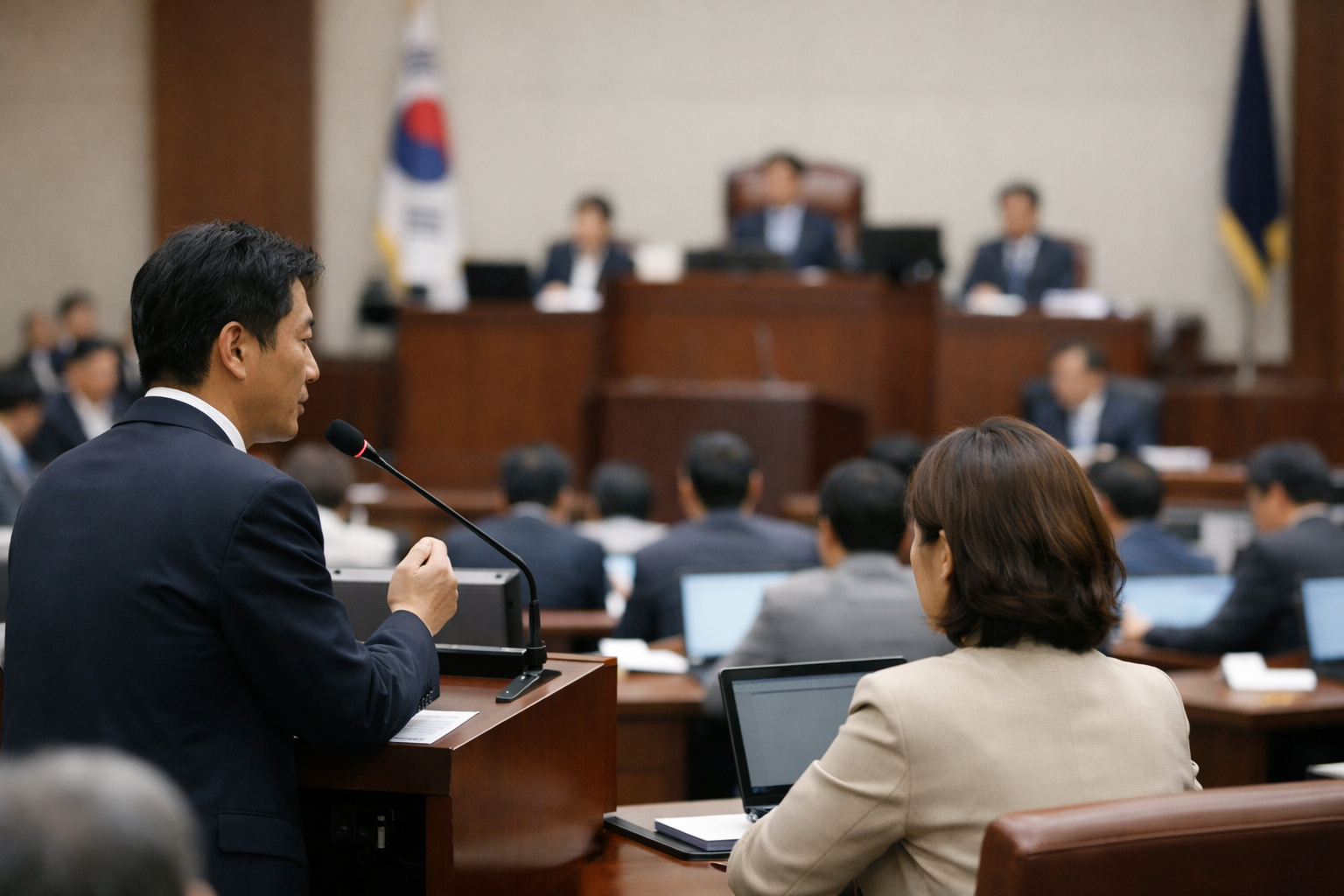
Right now in Korea, the National Assembly is bracing for another round of political combat. As of this week, the August extraordinary session has officially opened, and both major parties are already digging in. Can lawmakers actually get anything done before year’s end, or will this session become another stalemate?
The Democratic Party of Korea wants speed. It has set a goal of finishing its key legislative agenda by the end of the year, and that means pushing procedural changes through the August extraordinary session first.
The People Power Party sees this differently. It views these procedural changes as a power grab, and it has vowed to block them at every turn.
Technically, the August extraordinary session was supposed to convene automatically on August 16. But the People Power Party requested an earlier start, so the session actually began on August 2 this year.
Here’s the twist, though. Early August is vacation season in Korea, and the Democratic Party is also running its national convention through mid-August.
That means most lawmakers, including party leadership, are focused elsewhere right now. Sources inside the Democratic Party suggest the first real plenary session may not happen until around August 13, once the party’s leadership race quiets down.
So the August extraordinary session has opened on paper, but the real fireworks are still ahead. And when they do arrive, they will center on three flashpoints: fast-track legislation timing, filibuster rules, and a special counsel investigation into the National Election Commission.
The Fast-Track Fight: Why Timing Rules Matter So Much
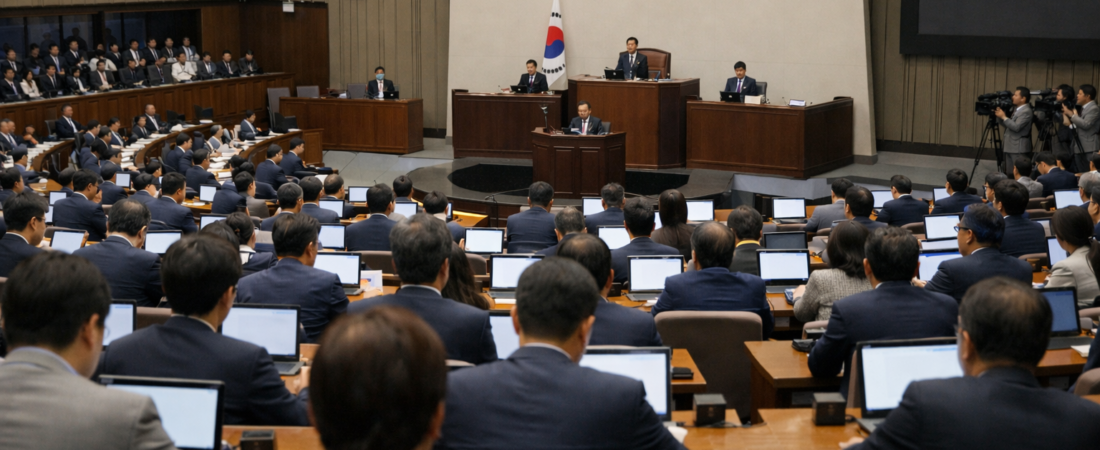
Let’s talk about the first battle: fast-track bill timing. In Korean parliamentary procedure, a “fast-track” designation lets the National Assembly speed certain bills through committee review, bypassing the usual slow grind.
Right now, that fast-track window can last up to 330 days. The Democratic Party wants to cut that down to just 90 days, and it introduced a National Assembly Act amendment to make it happen.
Why does this matter so much? Because a shorter fast-track window means bills move faster, with less time for the opposition to slow things down or build public pressure against them.
The People Power Party responded with a filibuster, Korea’s version of an unlimited debate tactic meant to delay a vote. But the July extraordinary session ended before the filibuster could run its course, leaving this bill sitting fully debated and ready for a vote when the August extraordinary session convenes.
That vote could come as early as August 13, according to Democratic Party insiders. If it passes, it becomes one of the clearest wins for the ruling party’s legislative strategy this year.
There’s a second, related bill worth watching too. The Democratic Party is also pushing to raise the bar for filibusters themselves.
Under the proposed change, ending a filibuster would require support from just one-fifth of sitting lawmakers, down from one-third. It would also let the Assembly Speaker halt a filibuster session if attendance drops below quorum.
This bill already cleared the National Assembly’s Steering Committee on July 27 and moved into subcommittee review. Together, these two measures form the backbone of the ruling party’s plan to move faster during the August extraordinary session and beyond.
The Democratic Party frames this as necessary self-defense. Its argument goes like this: the People Power Party has threatened filibusters against nearly every bill on the floor, including routine livelihood legislation, so procedural reform becomes the only way to keep government running smoothly.
You can see why the opposition disagrees. From their point of view, shrinking debate time and raising filibuster thresholds weakens the checks built into the system, checks meant to protect minority voices in parliament.
Readers following Korean governance may find a useful comparison point at SBS News, which has tracked similar procedural fights across past legislative sessions.
The Election Commission Special Counsel Standoff
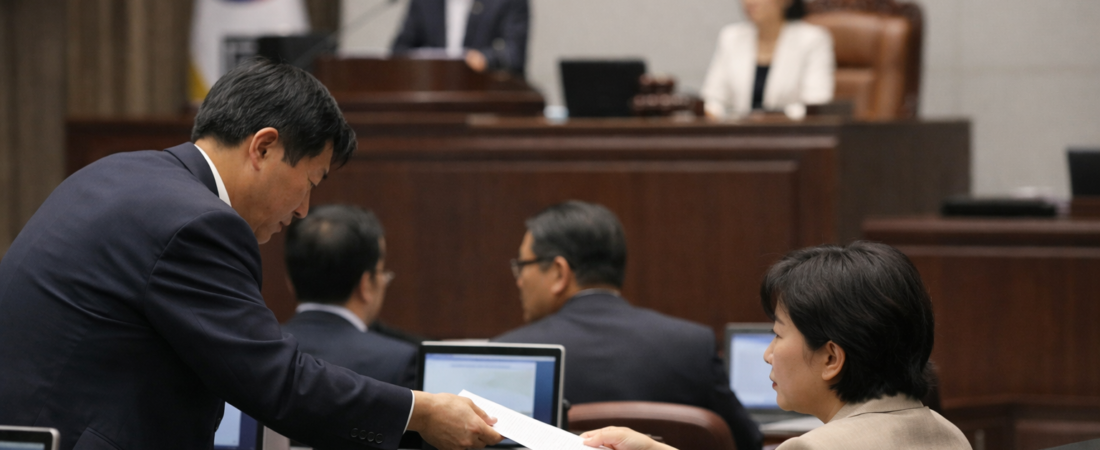
Now for the second major flashpoint of the August extraordinary session: the special counsel bill targeting the National Election Commission. Unlike the fast-track fight, both parties actually agreed on this one, and it passed the National Assembly on July 30.
So where’s the conflict? It starts the moment implementation begins.
The law calls for a citizens’ recommendation committee to nominate two special counsel candidates for the president to choose from. Each party gets to appoint three members to that committee, which sounds balanced enough on paper.
But disagreements are already surfacing over how that committee should actually operate, and how quickly it can even get organized. Even before a single candidate is named, both sides are maneuvering over the committee’s structure.
The bigger fight, though, concerns what the special counsel is actually allowed to investigate. The Democratic Party insists the investigation should stay limited to the June 3 local elections.
The People Power Party reads the law far more broadly. It argues the special counsel’s mandate should extend to previous elections too, including last year’s presidential election.
That is not a small disagreement. Widening the scope from one local election to a presidential race changes the entire political weight of this investigation.
Layered on top of this is the Songpa-gu ballot recount dispute, still unresolved from an earlier controversy. The Democratic Party wants the National Assembly’s special investigation committee, whose term was recently extended, to conduct the recount on August 18.
The People Power Party wants something different. It insists the recount must happen under the observation of the newly formed election commission special counsel team, with the schedule adjusted around that requirement if necessary.
Neither side seems ready to budge. And because the special counsel’s recommendation process, investigative scope, and the Songpa-gu recount are all tangled together, expect this to remain one of the most contentious threads running through the entire August extraordinary session.
What the August Extraordinary Session Means for Korea’s Future
Step back for a moment. What does all this actually tell us about where Korean politics is heading?
The August extraordinary session captures a familiar pattern in Korea’s National Assembly: a ruling party racing to legislate its agenda before momentum fades, and an opposition using every procedural tool available to slow that momentum down. This isn’t new to Korean politics, and it likely won’t be the last time we see it play out this way.
Since Korea’s National Assembly Act was last revised, procedural fights like these have become almost predictable. Fast-track timing, filibuster thresholds, special counsel scope, they all sound technical, but each one shifts real political power.
Why should readers outside Korea care about a scheduling fight inside one country’s parliament? Because these mechanics reveal something universal about democratic institutions under pressure.
Every democracy wrestles with the same core tension: how much power should a majority get to move fast, and how much protection should a minority retain to slow things down? Korea’s August extraordinary session is simply one country’s current chapter in that ongoing argument.
What happens next depends heavily on timing. With the Democratic Party’s national convention wrapping up around mid-August, expect the real legislative battles to intensify shortly after.
The fast-track shortening bill could pass as early as August 13. The filibuster threshold bill will likely follow soon after through committee review.
And the election commission special counsel fight, tangled with the Songpa-gu recount dispute, shows no sign of resolving quietly. If you have been watching Korean governance from abroad, this August extraordinary session offers a clear window into how quickly consensus can break down, even after parties agree on paper.
It also shows how election integrity debates ripple far beyond a single vote count. So here’s a question worth sitting with: when political rivals can’t agree on the rules of the game itself, what does that mean for the laws they eventually pass together?
How do you think democracies should balance speed and fairness when writing their own legislative rules?
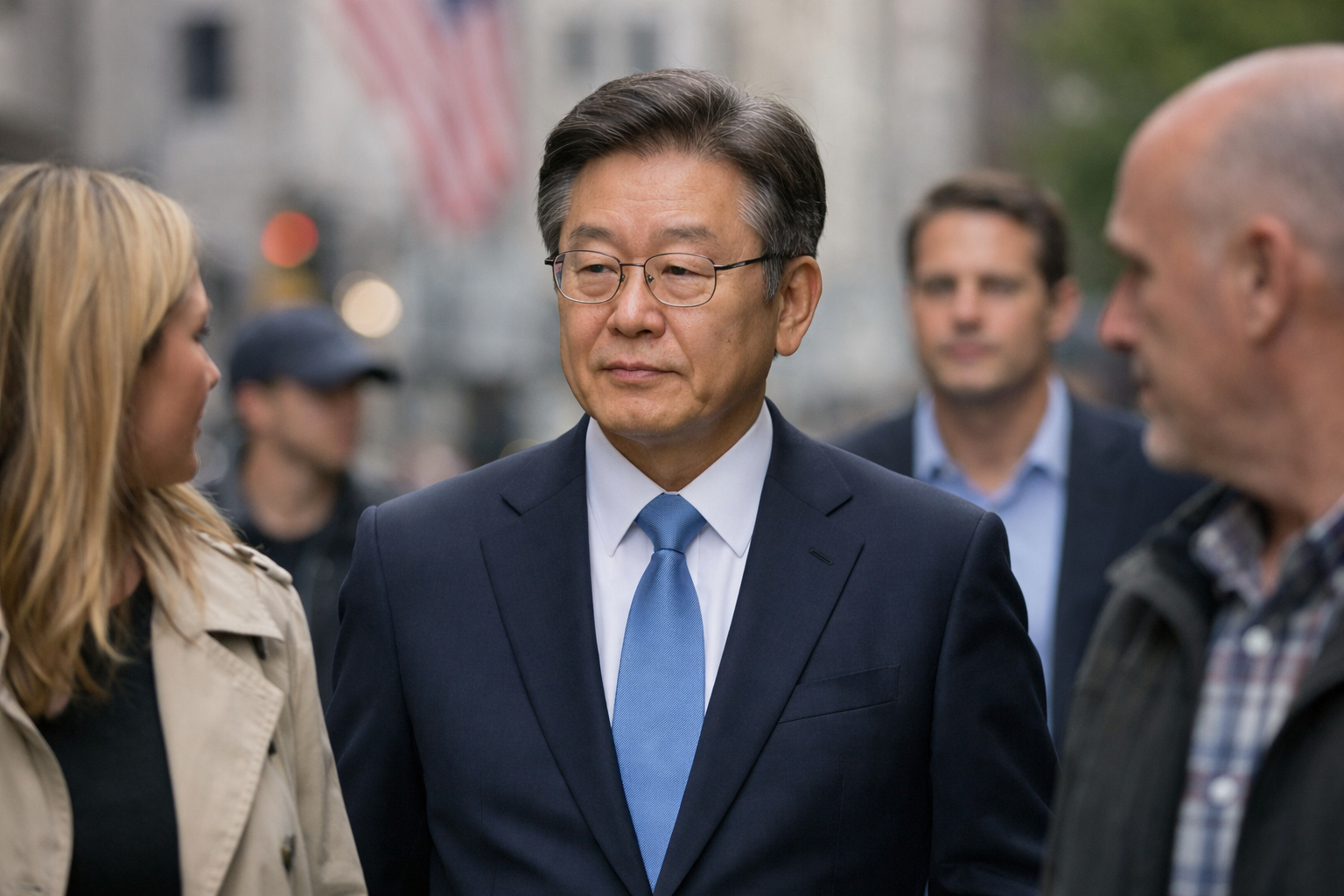
AI-Generated Photorealistic Image — All people, scenes, and details in this image are entirely AI-generated and fictional. Not a real photograph of an actual person or event. 이 이미지는 AI로 생성된 가상 이미지입니다.

Leave a Reply