Table of Contents
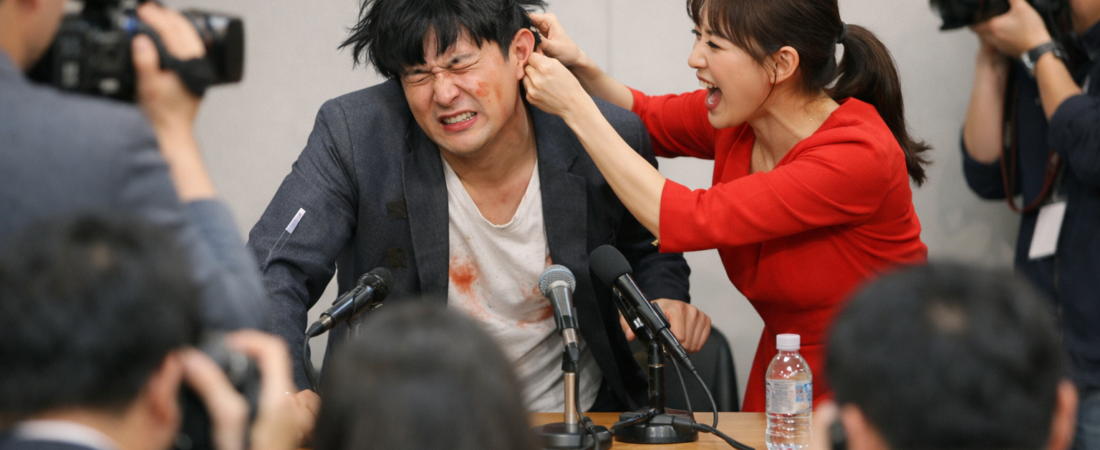
What happens when the bad guy on your screen turns out to be small potatoes? Right now, Korean television and stage productions are testing that question with a new comic drama formula: a scheming villain gets outclassed by someone even worse, usually someone closer to real power.
This “bad guy next to a worse guy” setup has become one of the most talked-about trends in Korean comic drama today. Shows like Apartment, Chairman Kang, and Wonderful New World are leading the charge, and audiences cannot seem to look away.
A New Trend: Villains Behind Villains in Korean Comic Drama
Korean storytelling has always loved a good villain. But lately, writers are asking a sharper question: what if the villain we’re rooting against is actually the underdog?
That’s the engine behind this new wave of comic drama. A schemer with modest ambitions runs into someone wielding real institutional power, and suddenly the “bad guy” looks almost sympathetic by comparison.
Think about it this way. If a con artist targets your neighborhood, that’s bad enough.
But if a corrupt official or police officer is quietly running the same scheme on a much bigger scale, who’s the real threat here? This comic drama trend leans into that gap, and it uses humor to make the imbalance land harder than a straight drama ever could.
Inside the Shows: Apartment, Chairman Kang, and Wonderful New World
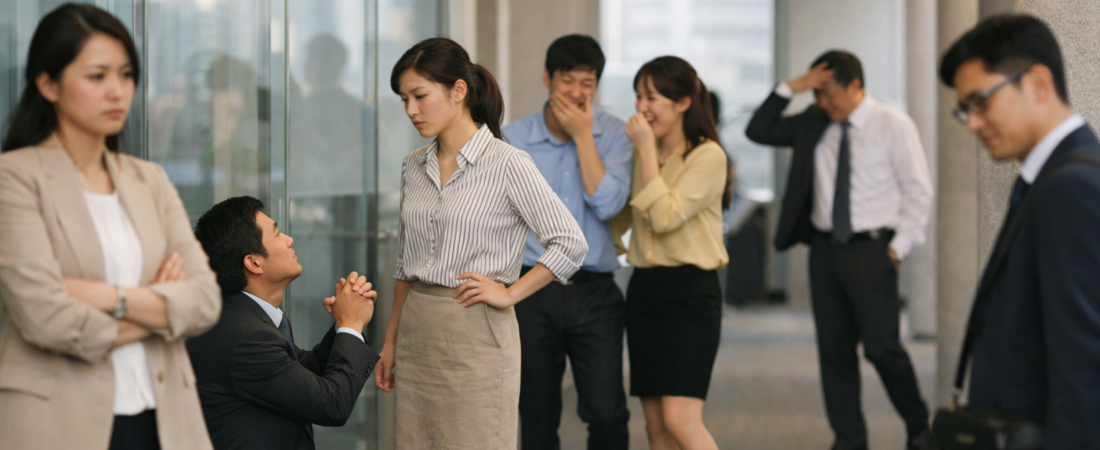
The JTBC drama Apartment gives us Park Hae-gang, played by Ji Sung, a man scrambling to raise 10 billion won in bribe money. His target? His own apartment complex’s long-term repair reserve fund, the pooled money residents set aside for building maintenance.
It’s a very Korean kind of villainy, rooted in the intense communal life of apartment complexes where thousands of households share one accounting ledger (yes, someone in the writers’ room clearly did the math on exactly how much fake maintenance work it takes to hide a heist that size).
In Chairman Kang, the stakes shift toward institutional corruption. A hit-and-run incident gets buried, not through cleverness, but through sheer financial muscle.
Money doesn’t just soften consequences here. It erases them entirely, and the show plays that erasure for dark comedy rather than tragedy.
Then there’s Wonderful New World, which reaches back into Joseon-era history to introduce a villainess whose ambitions rival any modern-day schemer. Placing a historical figure alongside these contemporary comic drama plots reminds viewers that this dynamic isn’t new.
Korea’s storytelling tradition has long explored how power protects itself, whether the setting is a royal court or a suburban apartment block. This kind of comic drama simply gives that old theme a fresh, biting comedic voice for today’s audience.
Why This Comic Drama Formula Works So Well
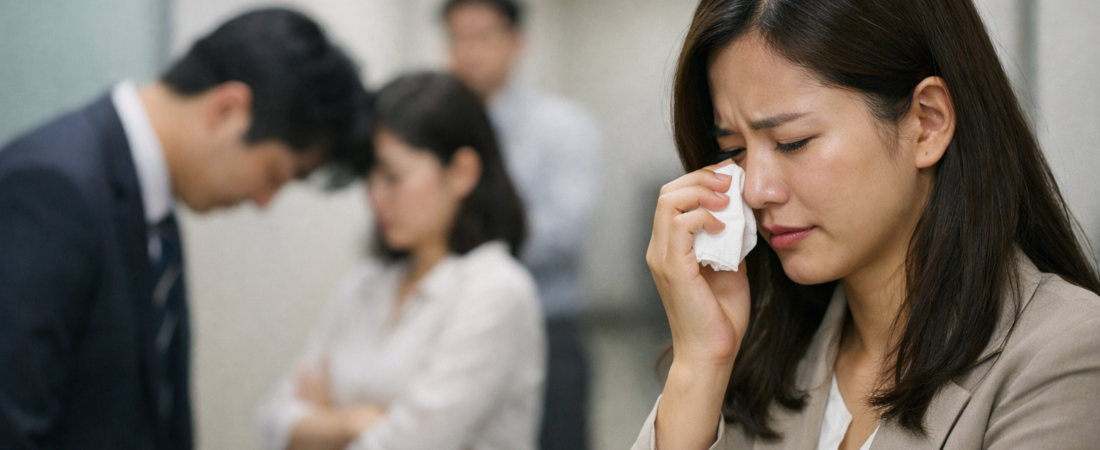
Why does this structure resonate so strongly right now? Comedy creates distance, and distance creates comfort, even when the subject matter is genuinely uncomfortable.
When a comic drama frames corruption as absurd rather than horrifying, viewers feel invited in rather than shut out. As Kyunghyang Shinmun notes, this comedic framing builds a sense of closeness between the audience and characters who would otherwise feel distant or threatening.
There’s also something satisfying about watching a small-time villain get humbled by a bigger one. It scratches an itch for fairness, even a twisted version of it.
You watch the “lesser evil” struggle against the “greater evil,” and somehow that makes the whole system feel a little more visible, a little more explainable. Isn’t that part of why we watch drama in the first place, to make sense of forces that feel too big to understand on our own?
This comic drama approach also lets writers say things that straight political drama often can’t. Comedy gives permission to exaggerate, and exaggeration reveals truth that realism sometimes hides.
A corrupt police officer played for laughs can say the quiet part out loud in ways a somber crime drama rarely allows. That’s part of the craft here, and it’s part of why this genre keeps finding new audiences across streaming platforms and traditional broadcast alike.
The Debate: Comic Relief or Villain Glorification?
Not everyone is comfortable with where this trend is heading. As each new comic drama tries to top the last one’s villain, the characters keep escalating, and that escalation worries some critics.
At what point does a “worse villain” become genuinely admirable rather than genuinely awful? That’s the uncomfortable question hanging over this entire genre right now.
This concern deserves honesty, not dismissal. When villains become charismatic enough, audiences can start rooting for the wrong side, and that risk is real in any story built around escalating badness.
But it’s worth noticing that the strongest entries in this comic drama trend still let consequences land somewhere, even amid the laughs; the humor exposes corruption rather than excusing it, and that distinction matters more than the loudness of the villain’s charisma.
There’s a quieter truth underneath all this villain comedy, and it’s worth sitting with for a moment. Stories about bad people doing worse things to each other aren’t really about villainy at all; they’re about our shared hunger to see power held accountable, even fictional power, even for an hour on a Friday night.
That hunger says something hopeful about audiences, actually. We keep watching because we still believe fairness matters, even when the world on screen suggests otherwise, and writers keep answering that hunger with sharper, funnier, more honest satire each season.
Where the Comic Drama Trend Goes Next
Korean comic drama shows no signs of slowing down. If anything, the appetite for morally tangled comedy seems to be growing across both television and live theater.
Future productions will likely keep pushing the “worse villain” formula, but the smartest ones will remember why it works in the first place. The comedy has to serve a point, not just a punchline.
So here’s the real question for you as a viewer. Do you think this comic drama trend helps audiences see corruption more clearly, or does it risk making villains a little too likable along the way?
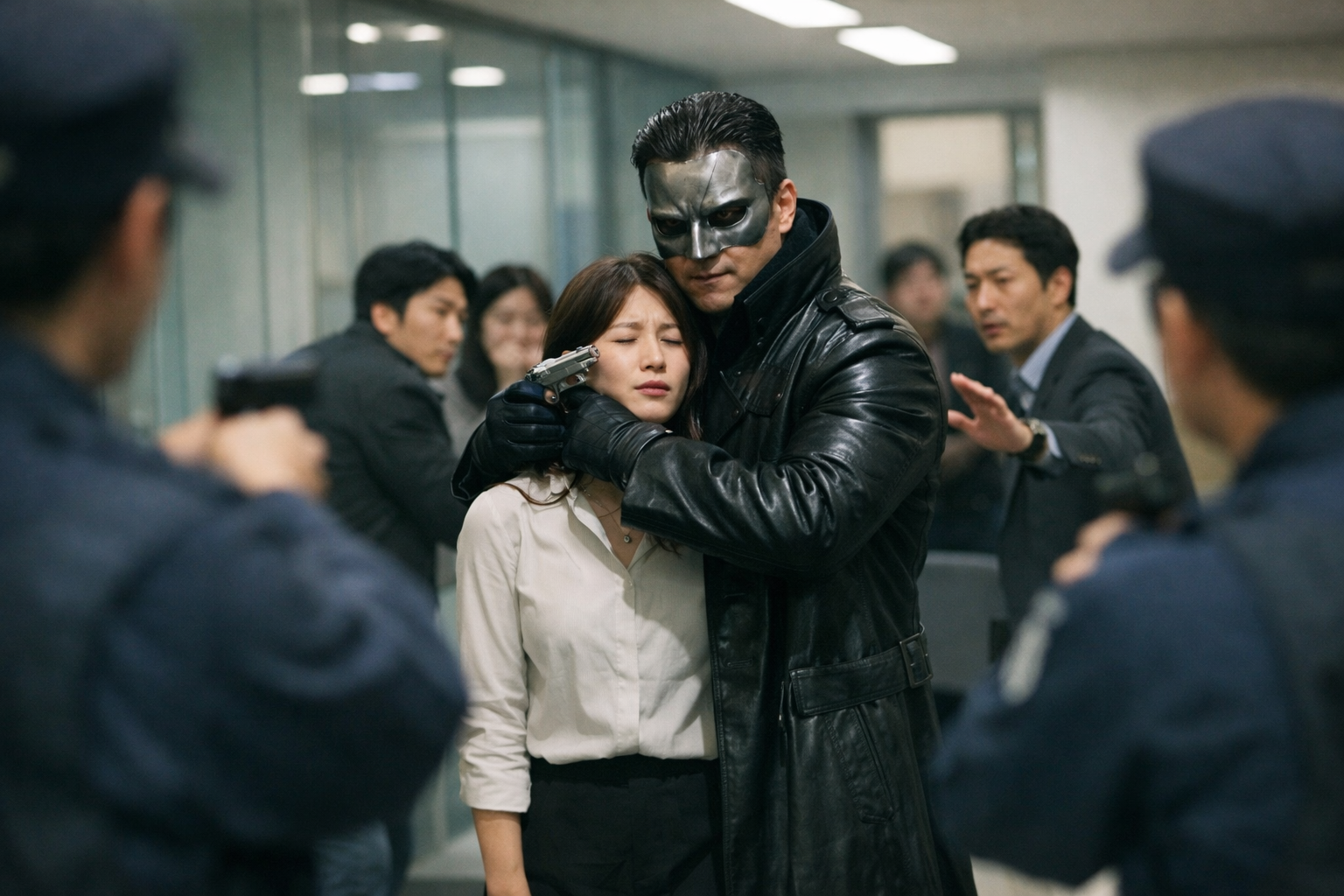
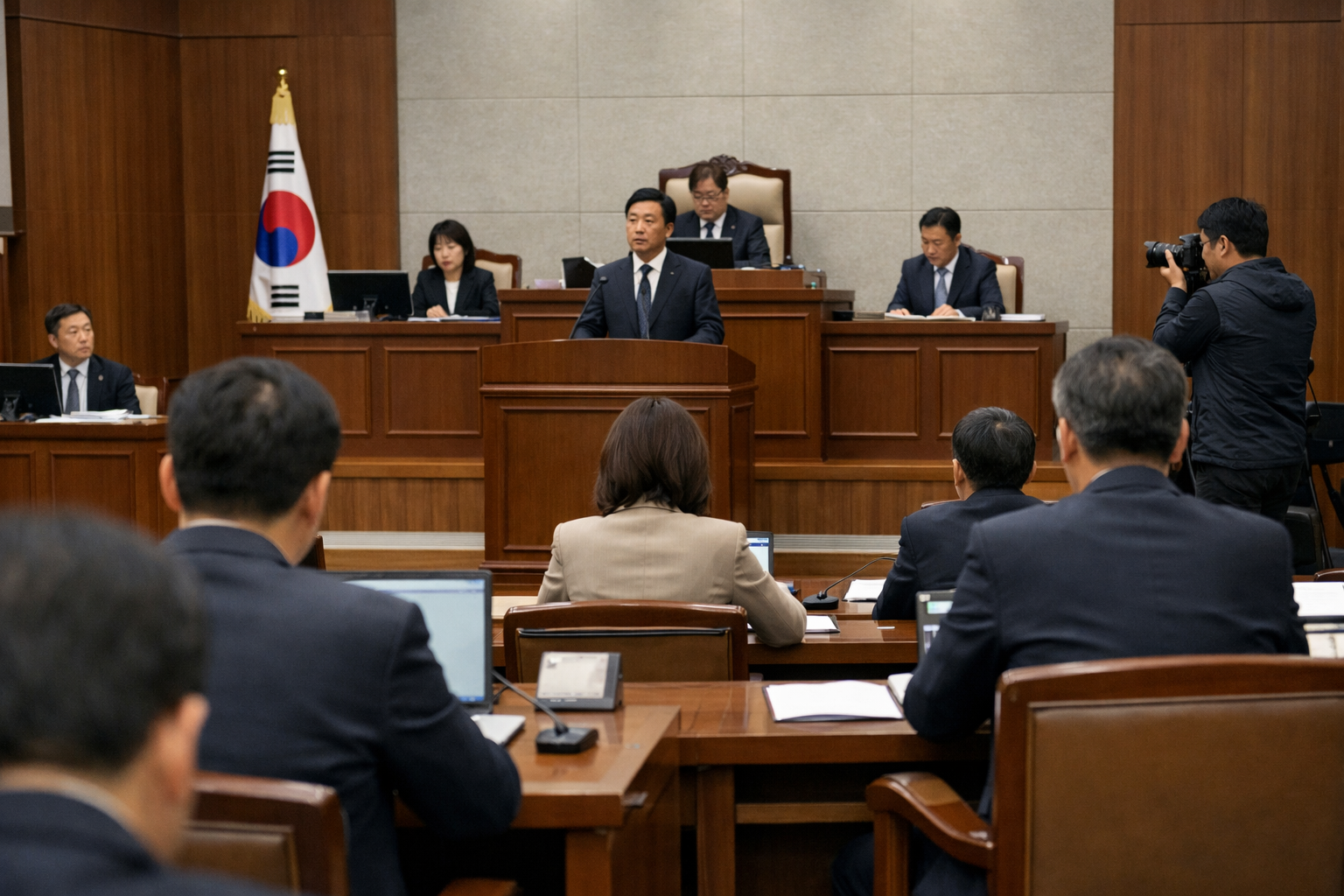
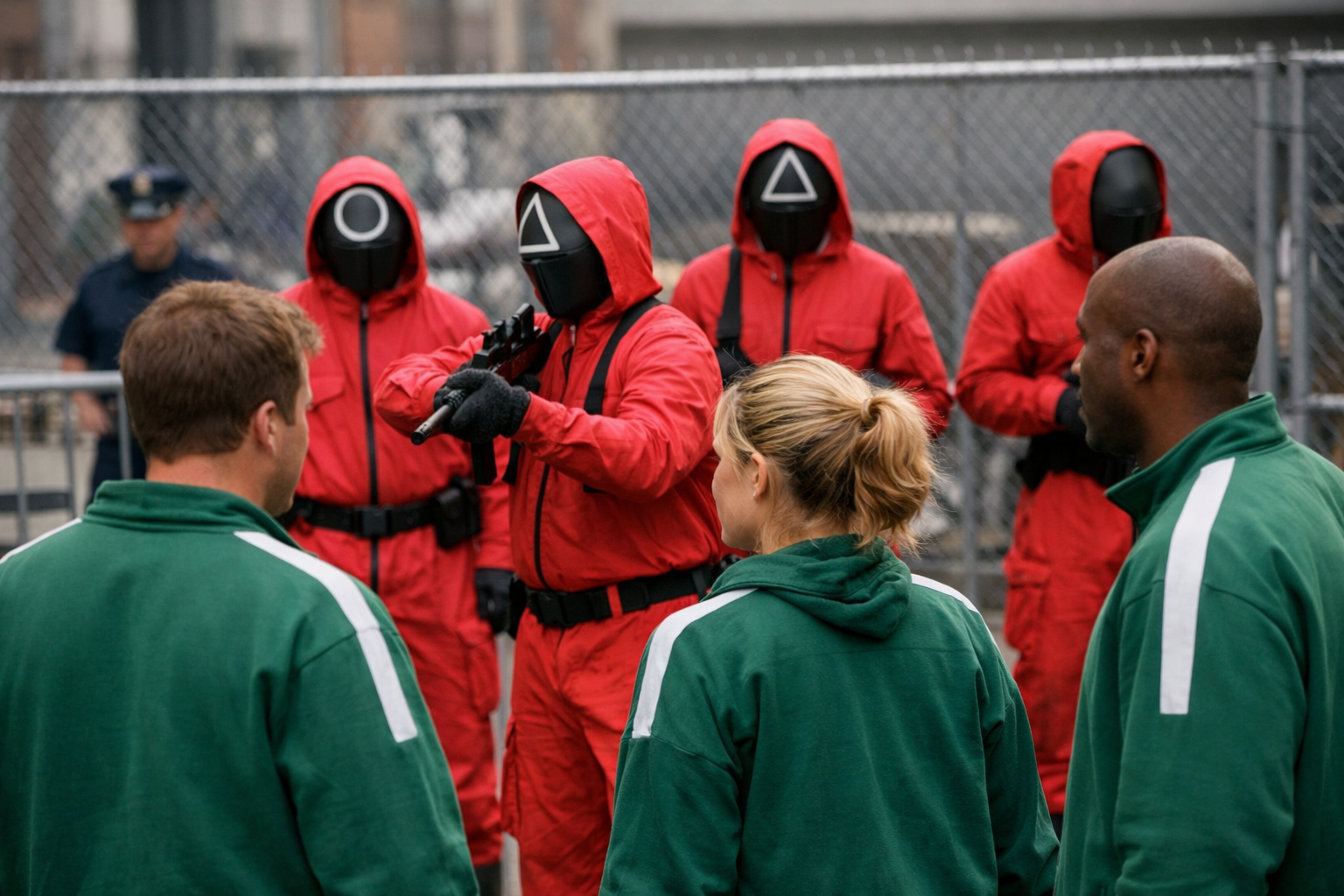
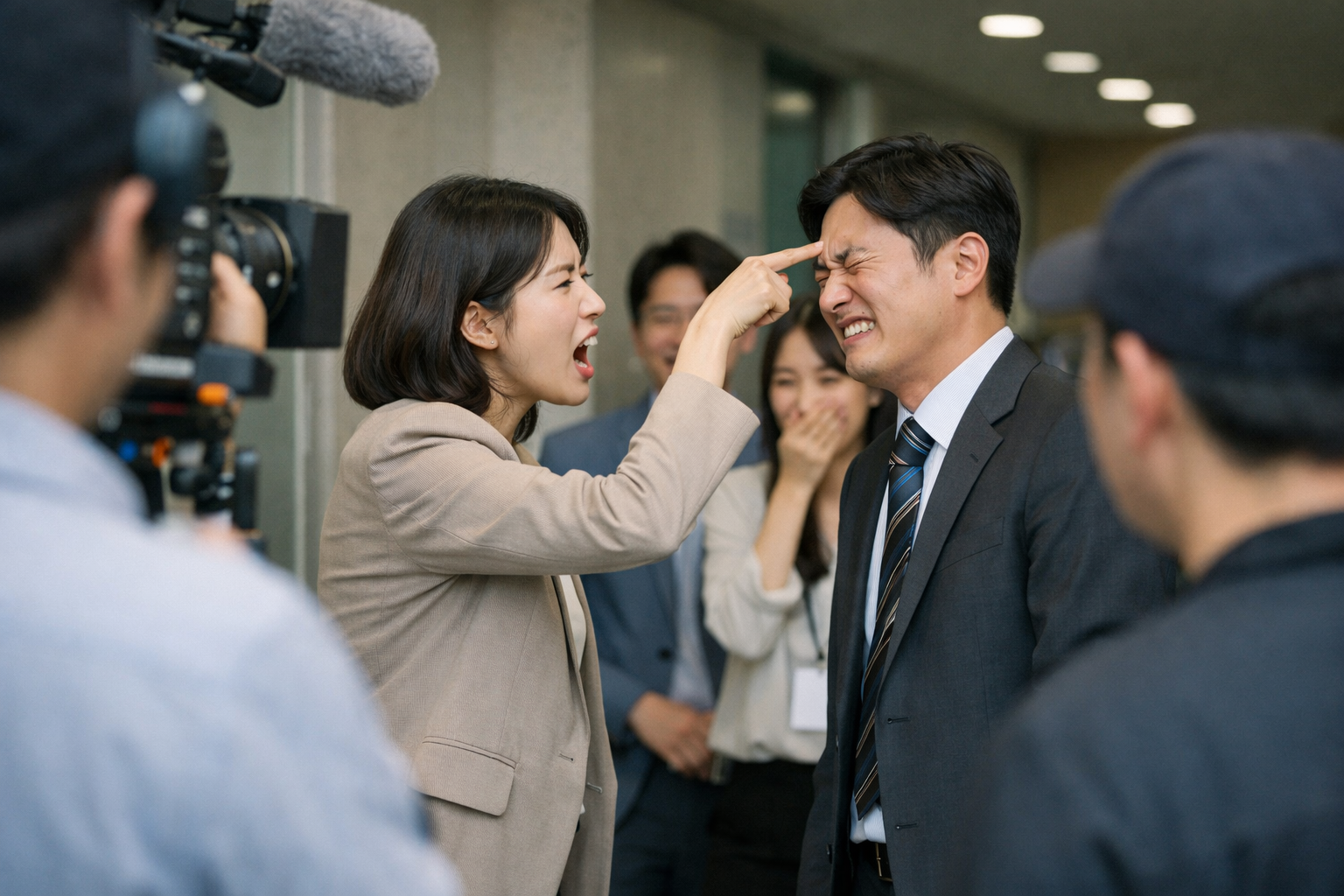
AI-Generated Photorealistic Image — All people, scenes, and details in this image are entirely AI-generated and fictional. Not a real photograph of an actual person or event. 이 이미지는 AI로 생성된 가상 이미지입니다.
Leave a Reply