Table of Contents
A Villain Comedy Wave Hits Korean Screens
What happens when the bad guy meets someone even badder? Korean television and theater have found the answer, and audiences can’t get enough. A new comic villain drama trend is spreading across dramas and stage plays, and it’s changing how Koreans laugh at corruption.
This isn’t your typical hero-versus-villain story. Instead, writers are pairing a scheming antagonist with an even worse rival, then letting the chaos unfold for laughs. The formula sounds simple, but its popularity says something deeper about Korean audiences right now.
You’ve probably noticed this pattern if you’ve watched recent Korean dramas. A corrupt character schemes his way to the top, only to run into someone more ruthless than himself. That collision, it turns out, is comedy gold.
Inside the Comic Villain Drama Formula
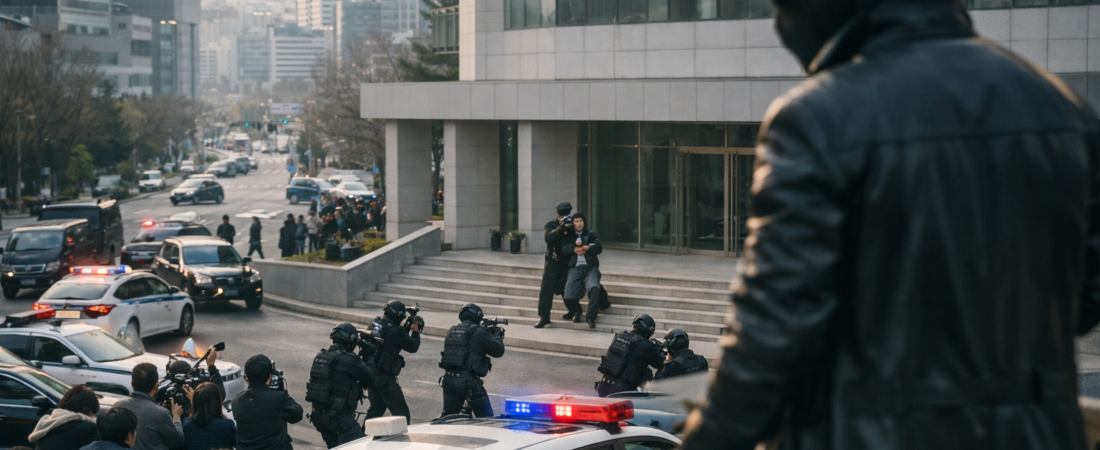
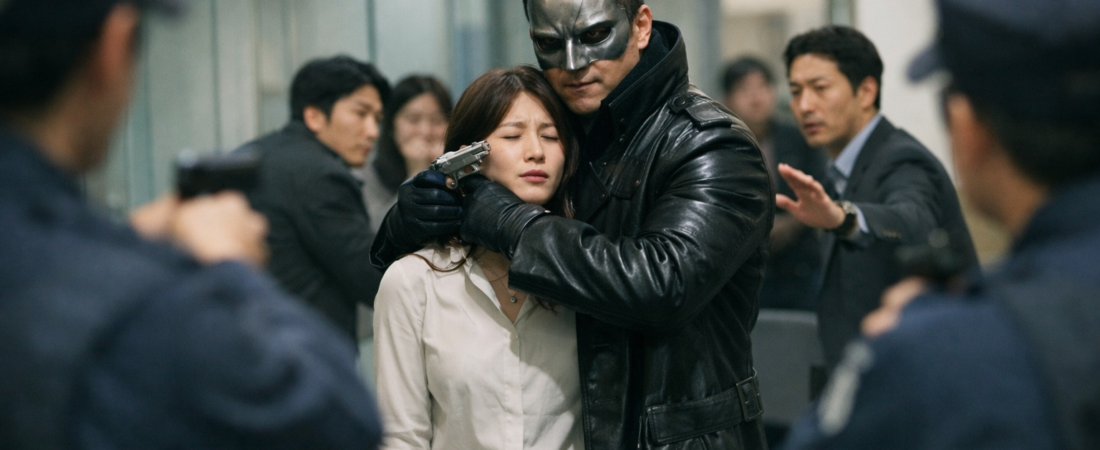
Take the JTBC drama Apartment. The main character, Park Hae-gang, played by actor Ji Sung, needs to raise a 10 billion won bribe. His solution? He tries to embezzle the money from his apartment complex’s long-term repair reserve fund, the pool of cash residents pay into for building maintenance.
It’s a bold move, and a slightly absurd one. Stealing from a fund meant to fix leaky pipes and broken elevators to pay off a bribe is exactly the kind of petty, small-scale villainy that makes this comic villain drama trend so relatable.
Then there’s Chairman Kang, where a wealthy figure uses money to cover up a hit-and-run accident. Here again, the comic villain drama formula shows a character who isn’t evil in some grand, cinematic sense.
He’s evil in a familiar way — the way people cut corners when they think no one is watching. And in Wonderful New World, a Joseon-era villainess character adds a historical twist to the same idea.
Dressed in hanbok but plotting like a modern schemer, she proves this comic villain drama pattern isn’t limited to contemporary settings. Korean writers are finding villains everywhere, from apartment complexes to royal courts, and audiences are following along with genuine curiosity.
Why the “Worse Villain” Makes Us Laugh
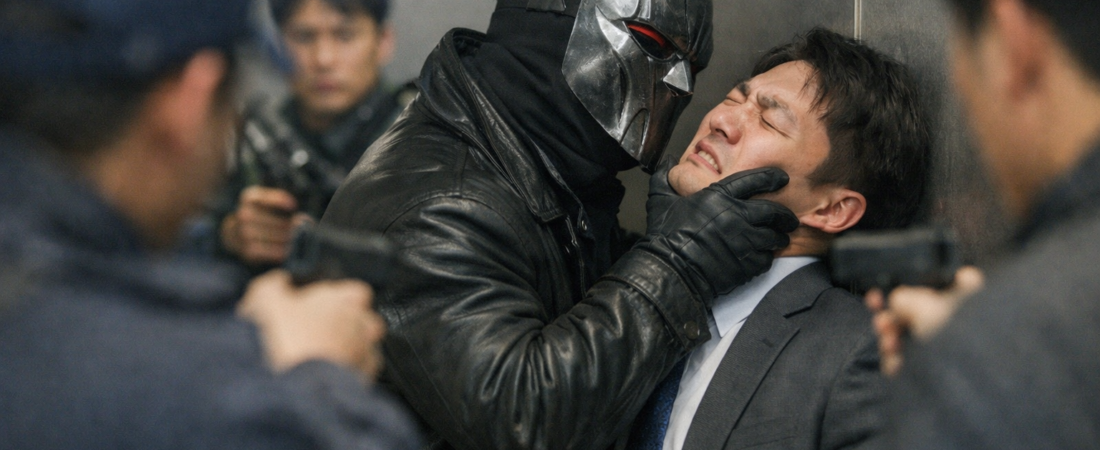
Here’s the real trick behind this comic villain drama trend: the comedy doesn’t come from the first villain at all. It comes from the second one, the “worse” character who appears just when you think the story can’t get any messier.
Why does this work so well? Because it creates a strange kind of relief.
Suddenly, the original schemer looks almost sympathetic by comparison. This structure lets viewers laugh without fully condemning anyone, since everyone on screen seems a little corrupt, a little desperate, and a little human.
Think about it this way: if the first villain is bending the rules, the second villain is rewriting them entirely — usually with more power, more money, or a badge. According to Kyunghyang Shinmun, this contrast with a “real villain” closer to actual power gives these comic villain drama plots their bite.
The corrupt cop who’s dirtier than the gangster he’s supposed to arrest, or the executive who’s greedier than the employee stealing from him — these pairings hold up a mirror to real institutions. Koreans have watched decades of corruption scandals involving politicians, chaebol families, and law enforcement. A comic villain drama doesn’t erase that frustration; it channels it into something you can laugh at instead of just being angry about.
(Think of it as comedy serving as a pressure valve — you laugh so you don’t have to fume.)
The Risk Behind the Laughter
But every trend has a shadow side, and this one is no exception. As comic villain drama plots escalate, writers keep raising the stakes, giving audiences bigger, bolder, and more outrageous antagonists.
That escalation raises a real question. At what point does a “worse villain” stop being funny and start being admired?
Critics have pointed out that when audiences root for a clever schemer’s cunning, they may quietly start rooting for the wrong values. Charisma and wit are not the same as goodness, but television doesn’t always make that distinction clear.
This is where the conversation gets genuinely interesting, and it deserves honesty rather than easy answers. Korean storytelling has always had a gift for turning hardship into dark humor — think of the long tradition of satire in pansori performances, where corrupt officials were mocked centuries before television existed.
That same instinct drives the comic villain drama boom today, and it reflects something worth admiring: a culture that refuses to let frustration curdle into despair, choosing laughter as a form of resistance instead. Yet the same wit that lets people process real anger about corruption can also numb them to it, turning outrage into entertainment and, eventually, into indifference toward the real thing.
The healthiest version of this trend keeps both truths in view — laughing at the villain while still remembering why the laughter exists in the first place. Writers who understand this balance, layering satire with a clear moral compass rather than pure spectacle, are the ones actually pushing the genre forward.
So where does this leave the comic villain drama trend going into the rest of 2026? Expect more layered antagonists, sharper satire, and probably a few more absurd bribery schemes involving reserve funds and hit-and-run cover-ups.
Writers clearly know audiences are hungry for stories that let them laugh at power rather than just fear it. The question worth asking, though, is whether Korean television can keep sharpening its villains without losing sight of who the joke is really on.
What do you think — does laughing at a “worse villain” help us process real corruption, or does it risk making bad behavior look a little too entertaining?
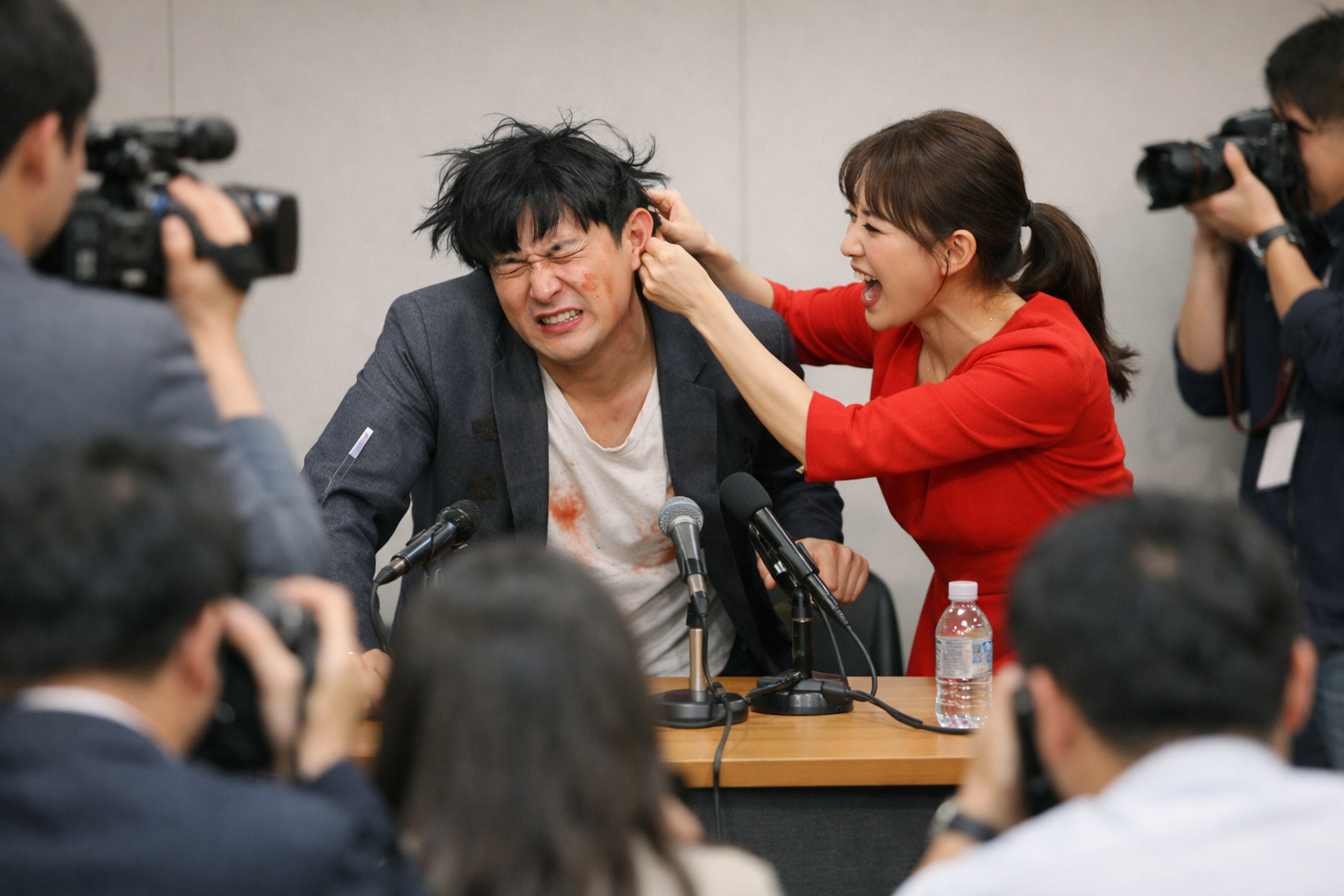
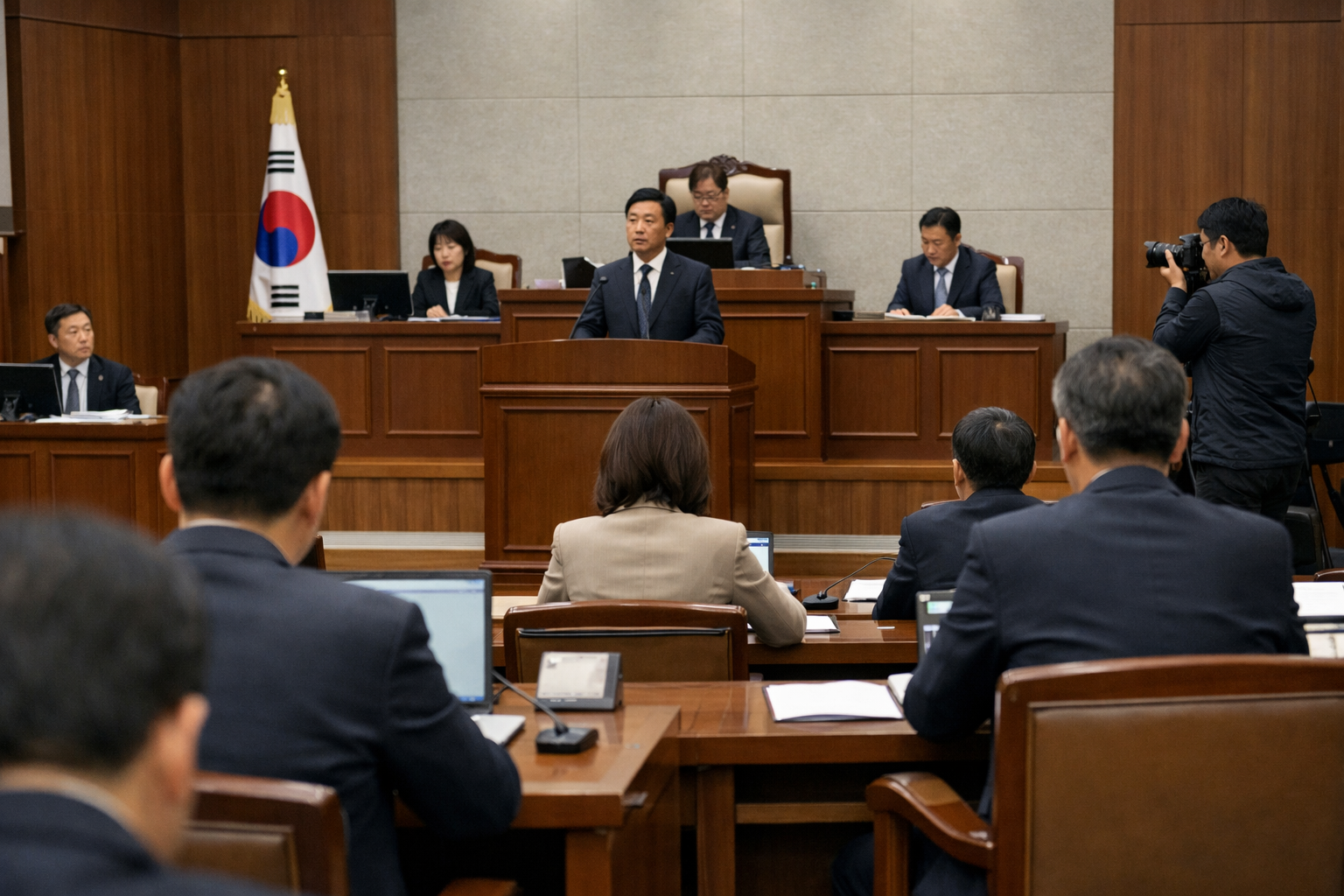
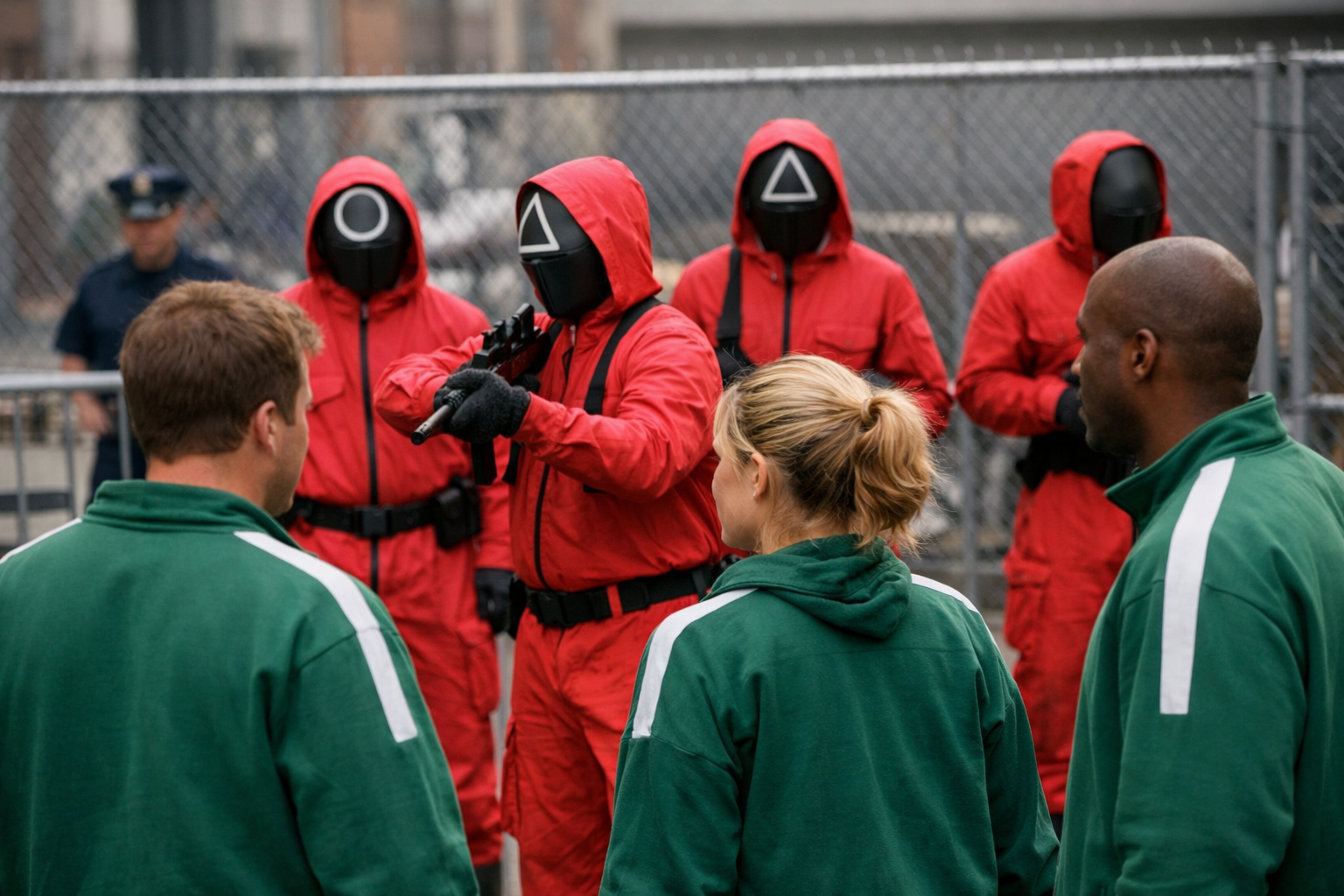
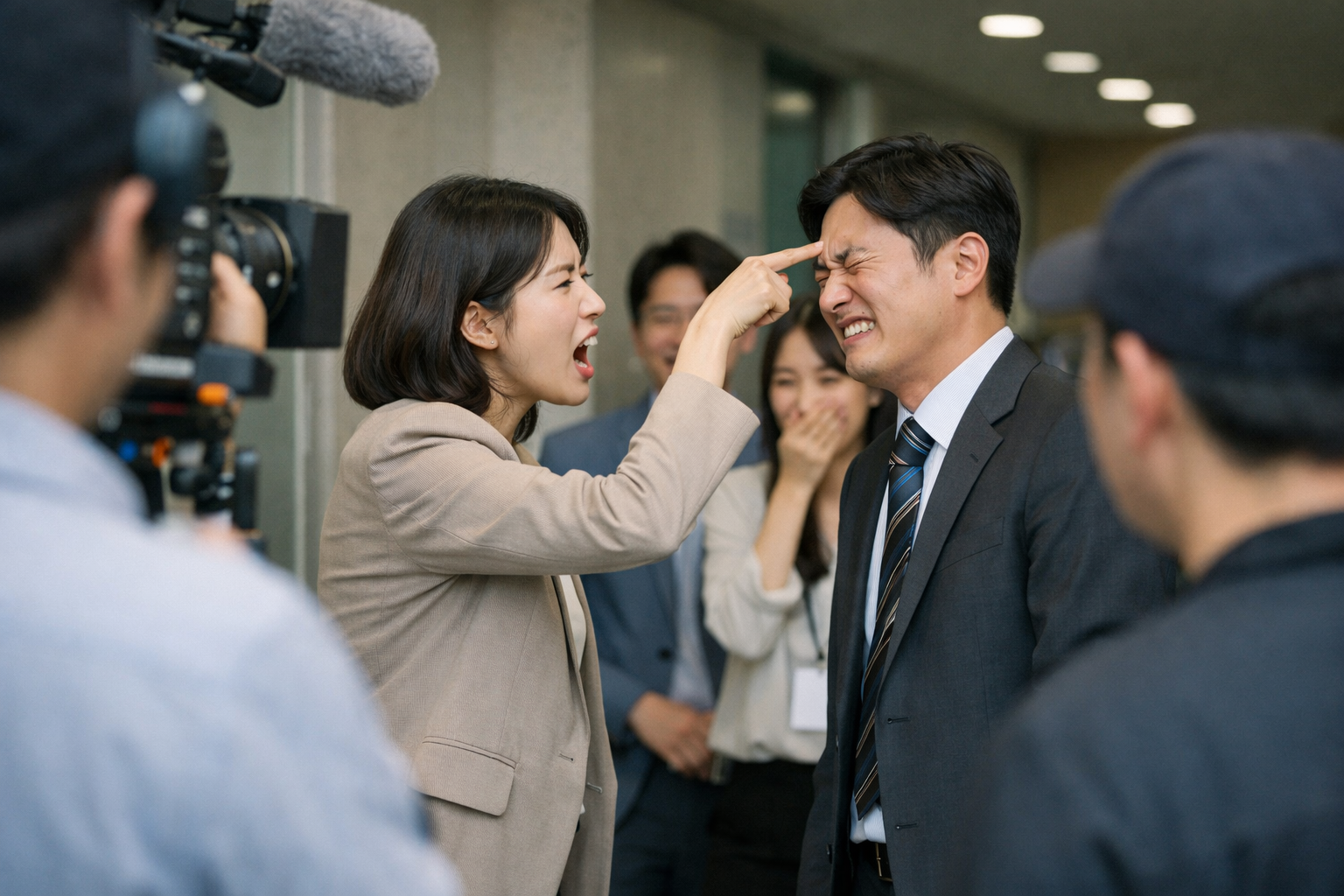
AI-Generated Photorealistic Image — All people, scenes, and details in this image are entirely AI-generated and fictional. Not a real photograph of an actual person or event. 이 이미지는 AI로 생성된 가상 이미지입니다.
Leave a Reply