
Table of Contents
Korean kitchens are giving the humble tomato a dramatic makeover. Once a sugar-dusted childhood snack, the tomato now appears in spicy malatang bowls and reimagined traditional dishes across Korea. This shift reflects a bigger story about memory, generational taste, and culinary reinvention.
The Tomato’s Journey Through Korean Food History
Do you remember a food that instantly takes you back to childhood? For many Koreans, that food is the tomato. Older generations grew up eating sliced tomatoes sprinkled with sugar, a simple summer treat served at home.
Then there was Toma Toma, a tomato-shaped ice pop first launched in 2005. It disappeared, then returned in 2017 after fans demanded it back. That kind of nostalgic comeback says something about how deeply food connects to personal memory in Korea.
Tomatoes were never treated as exotic in Korea. They were practical, affordable, and tied to home life rather than restaurant menus. This everyday status is exactly why their current transformation feels so surprising to longtime observers of Korean cuisine.
From Sugar-Dusted Snack to Malatang Star
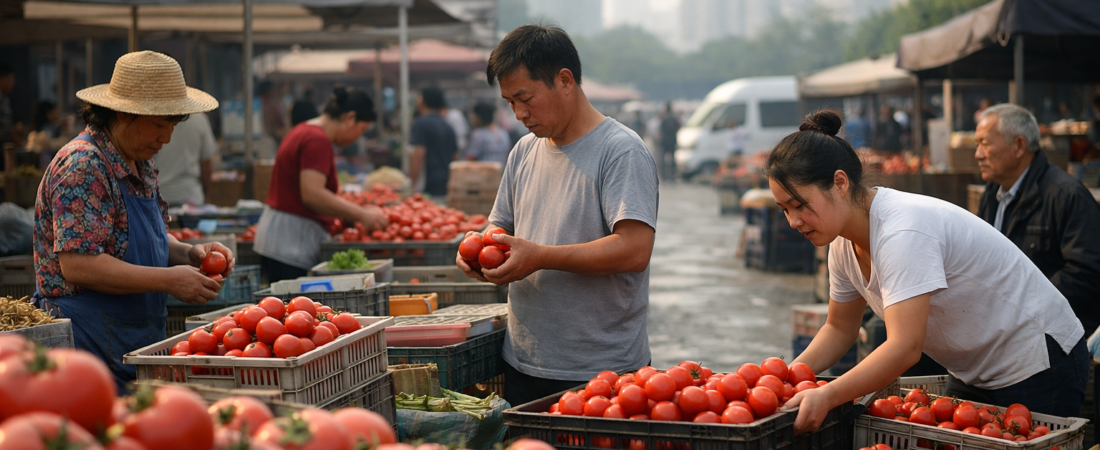
The tomato you knew as a kid is not the same tomato showing up on menus today. Spicy malatang, the numbing Sichuan-style soup that swept through Korea in recent years, now often features tomato as a key ingredient. The pairing of sweet tomato with fiery, tongue-numbing spice creates a flavor contrast younger diners find exciting.
This is not an isolated case either. Chefs and home cooks are folding tomato into traditional Korean stews, side dishes, and even kimchi-style preparations, testing how far the fruit’s natural sweetness can stretch. Korean cooks take flavor experimentation seriously — stuffing a summer snack into a fire-breathing soup and calling it dinner certainly counts as commitment.
Why does a single ingredient inspire so much culinary risk-taking? Tomato offers natural acidity and sweetness that balances heavy, spicy, or oily dishes. That balancing power makes it a flexible bridge ingredient between Korean, Chinese, and even Western cooking styles increasingly blended in modern Korean restaurants.
Why the Tomato Trend Matters to Global Food Lovers

You might wonder why a trend inside Korea’s restaurants should matter to someone outside the country. Food trends often travel faster than people expect, especially through social media and Korean food exports. What starts as a local malatang experiment in Seoul can reappear on a menu in Los Angeles or London within a year or two.
Korea’s food scene has a track record of this kind of global crossover. Kimchi, tteokbokki, and Korean fried chicken all moved from local staples to international menu items. The tomato’s new role fits that same pattern, showing how Korean chefs constantly rework familiar ingredients into something unexpected.
For readers interested in global food trends, outlets like the Korea Herald offer a useful window into these shifts before they reach Western markets. Watching tomato experimentation in Korea now might give you an early signal of what appears on trendy menus elsewhere later. Isn’t it interesting how a single fruit can act as a cultural preview?
What the Tomato’s Future Looks Like in Korea
Where does the tomato go from here? Korean food culture tends to hold onto nostalgia even while embracing innovation, and tomato dishes seem to be following that exact pattern. The sugar-dusted slice is not disappearing, but it now shares space with bold new preparations.
There is something quietly hopeful in watching an old, simple food find new purpose without losing its original meaning. That kind of culinary bridge-building is not automatic, though. Korea’s food industry faces real pressure from rising ingredient costs and shrinking home-cooking traditions, which can push nostalgic dishes toward extinction rather than revival.
Yet the tomato’s comeback suggests another possibility worth noticing. When young cooks reach back into childhood memory and mix it with new global flavors like malatang, they are not abandoning tradition — they are keeping it alive in a form their own generation can embrace. That kind of quiet continuity, passed between grandparents and grandchildren through a shared taste for tomato, says something hopeful about how culture survives change.
Korea’s food culture is proving that reinvention and memory can coexist rather than compete. The tomato’s rise from snack to global-fusion ingredient shows how small foods carry big cultural stories. What do you think about Korea’s growing habit of turning nostalgic childhood foods into bold new dishes?
AI-Generated Photorealistic Image — All people, scenes, and details in this image are entirely AI-generated and fictional. Not a real photograph of an actual person or event. 이 이미지는 AI로 생성된 가상 이미지입니다.




Leave a Reply