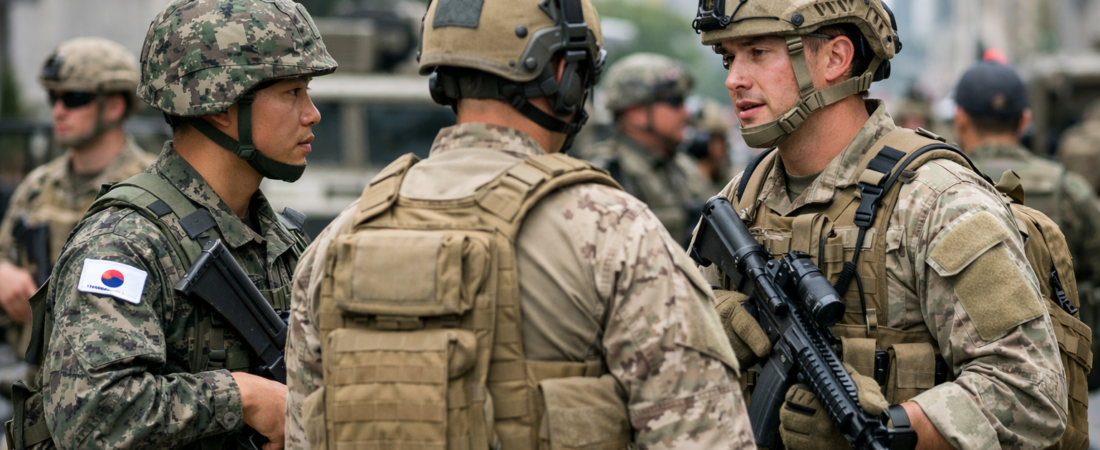
Are Korea-US Joint Military Drills Losing Muscle?
Why would South Korea and the United States scale back their biggest joint drill of the year, right as Russia announces a massive show of force nearby?
That question is worth sitting with. Starting August 17, South Korea and the United States will run this year’s Ulchi Freedom Shield (UFS) exercise, the flagship korean-us joint military drills event of 2026.
But something looks different this time. Field maneuvers are smaller, and there’s no Korean-led training component at all.
Meanwhile, Russia’s Pacific Fleet is preparing a huge operation in the East Sea during the same window. Let’s unpack what’s actually happening.
What’s Changing in This Year’s UFS Exercise
The Ulchi Freedom Shield exercise will run from August 17 to August 27. Officials say the timing and scope reflect current global conflict conditions and the ongoing schedule for transferring wartime operational control (OPCON) from the US to South Korea.
Ryan Donald, spokesperson for US Forces Korea, called this year’s drill “an opportunity to support the continuous preparation process for a conditions-based OPCON transition.” Sounds reassuring, right?
But look closer at the numbers. Field maneuvers at the battalion level or higher dropped from 17 exercises last year to just 14 this year.
That’s not a small dip. And perhaps more notably, this year’s korean-us joint military drills exercise has zero training sessions led by a Korean commander.
Analysts have long argued that Korean-led drills are essential if OPCON transfer is going to speed up. Without them, is the transition really moving forward, or just standing still?
The Debate Over OPCON Transfer and Military Readiness
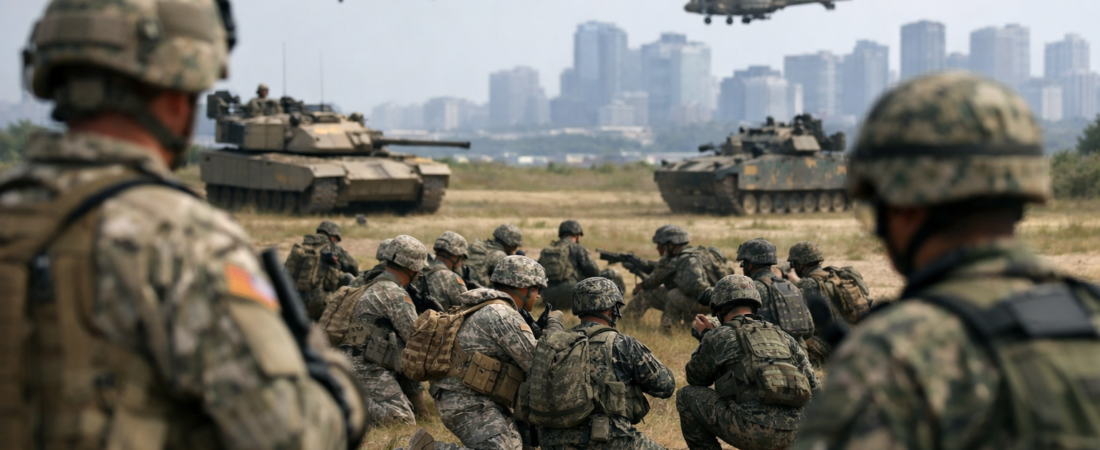
South Korea’s Joint Chiefs of Staff spokesperson Jang Do-young defended the schedule. He explained that field maneuvers are now consolidated at the battalion level and above, and conducted in a “balanced” way throughout the year, not just during UFS.
That’s a fair point on paper. Training doesn’t have to happen in one giant burst to be effective.
Still, critics note that this year’s korean-us joint military drills exercise doesn’t seem to reflect North Korea’s recent moves. Enhanced forward-deployed rocket artillery and fortified front-line positions reportedly aren’t factored into this year’s scenario.
Isn’t that exactly the kind of threat these drills are supposed to prepare for? For decades, Ulchi Freedom Shield and its predecessor exercises have served as Korea’s clearest signal of alliance strength.
Named after the 7th-century Korean general Eulji Mundeok, the “Ulchi” exercises carry symbolic weight — a reminder that deterrence and identity are intertwined here. (Yes, Korea named a modern military exercise after a general who reportedly lured an invading army into a trap over a thousand years ago. History runs deep in these acronyms.)
So the real question isn’t whether training happens. It’s whether the current pace of korean-us joint military drills matches the pace of threats evolving just across the border.
Russia’s Show of Force in the East Sea
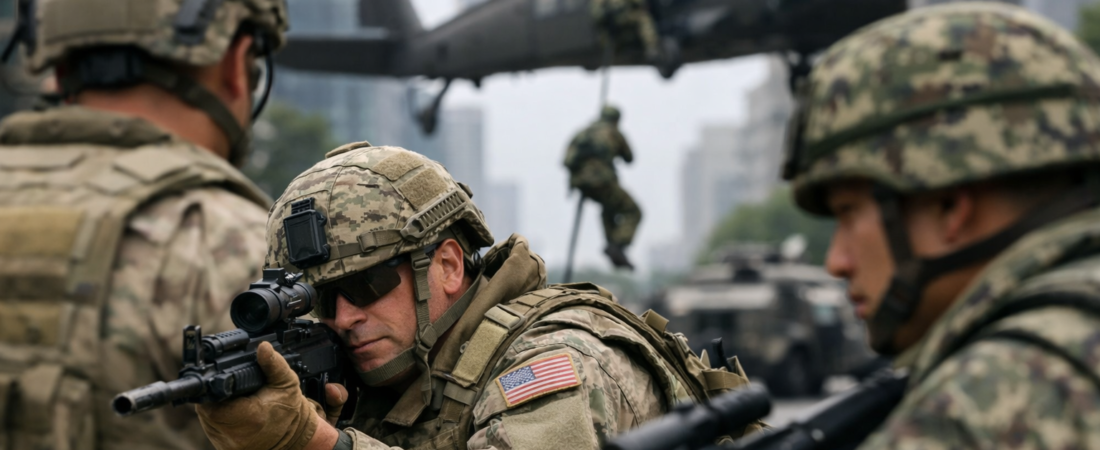
While Korea-US joint military drills shrink slightly, Russia is doing the opposite. Its Pacific Fleet began a large-scale exercise on August 4 in the East Sea, and Russian officials say it will continue for several weeks.
The numbers are striking. Around 60 vessels, roughly 30 aircraft, and about 13,000 personnel are involved.
Russian state media report that nuclear submarines and strategic bombers from the Far East military district will conduct joint drills across the East Sea and the Sea of Okhotsk. Coastal defense drills using hypersonic anti-ship missiles are also planned.
You have to wonder about the timing here. Is this coincidence, or a calculated message sent alongside the reduced scope of this year’s korean-us joint military drills?
For readers unfamiliar with regional military dynamics, this juxtaposition matters. Every August, the Korean Peninsula becomes a stage where multiple militaries signal intent — not just through words, but through the size and shape of their drills.
For more background on regional security dynamics, see SBS News.
What This Means Going Forward
National security decisions rarely offer simple answers. Reducing field maneuvers might reflect smart, year-round planning, exactly as officials claim.
Or it might reveal quiet strain in alliance coordination during a sensitive transition period. Both possibilities can be true at once, and that’s uncomfortable to sit with.
What gives me some hope, though, is that the OPCON transition itself is designed around conditions, not deadlines. That built-in flexibility means Korea and the US can adjust course if North Korea’s posture demands a sharper response next year.
There’s also something worth noticing in how both allies keep talking publicly about their reasoning, rather than hiding the debate. That transparency, imperfect as it is, gives outside analysts and citizens room to ask hard questions — the same questions you’re asking right now.
The scale of this year’s korean-us joint military drills will likely stay a topic of debate well past August 27. What matters most is whether preparation keeps pace with a changing regional picture, one that now includes Russia’s own growing presence in the East Sea.
What do you think — should Korea push harder for a Korean-led military exercise, even if it means slower alliance coordination in the short term?
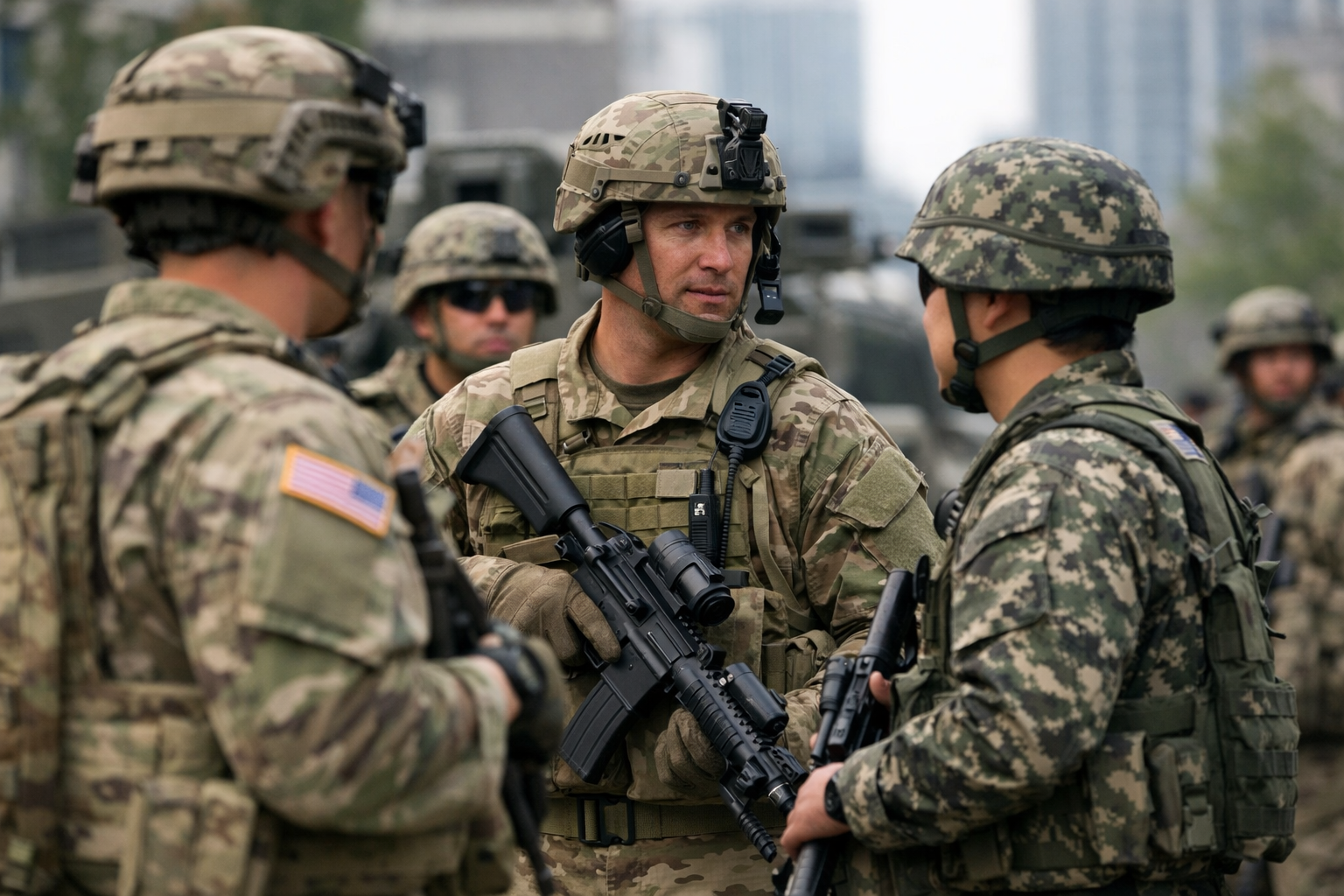
AI-Generated Photorealistic Image — All people, scenes, and details in this image are entirely AI-generated and fictional. Not a real photograph of an actual person or event. 이 이미지는 AI로 생성된 가상 이미지입니다.



Leave a Reply