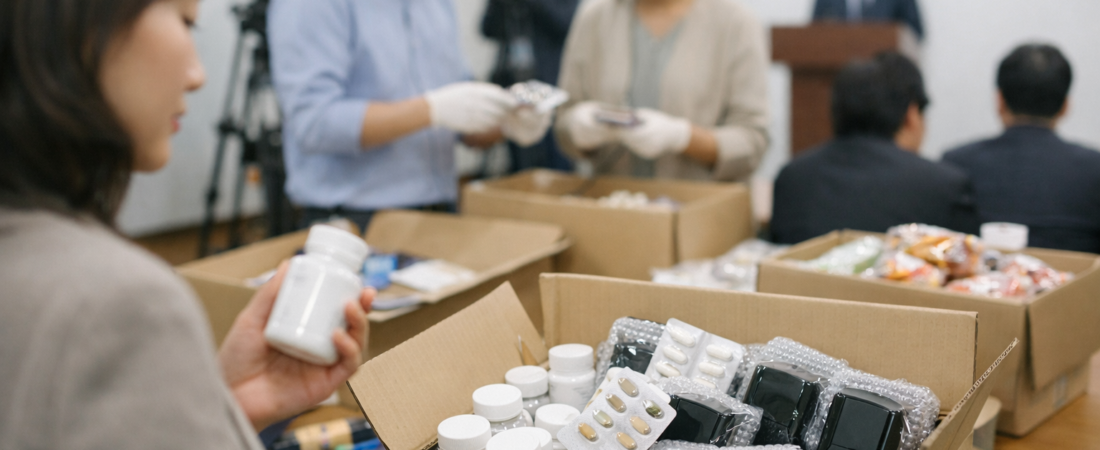
Did You Know Korea Blocked 13,000 Dangerous Products Last Year?
Would you trust every product sold online without a second thought? Most of us do, until something goes wrong. Last year, Korea’s recall system caught 2,656 defective products before they could hurt more people.
That number tells a bigger story about how Korea protects its consumers. The Fair Trade Commission just released its annual report, and the details are worth your attention. Let’s break down what this recall data really means for you.
The 2026 Recall Numbers: What Actually Happened
According to the Fair Trade Commission, total recall cases in Korea reached 2,656 last year. Industrial products led the list with 1,282 cases. Medical devices followed with 308 recalls, a category that deserves close watching.
Why do industrial products dominate recall statistics? Simple. Korea manufactures an enormous range of consumer goods, from electronics to household items, and more products mean more chances for defects to slip through.
Food product recalls also jumped significantly last year. Local government-issued recalls rose by a striking 144 percent compared to the previous year. That spike suggests either better detection systems or a genuine rise in unsafe products entering local markets—likely both.
Here’s the part that should really catch your eye. Korean authorities blocked 13,000 hazardous foreign products from ever reaching store shelves. Think about that scale for a moment (imagine an entire warehouse full of items stopped at the door before customers ever saw them).
Why Recall Enforcement Matters More in an Import-Heavy Economy
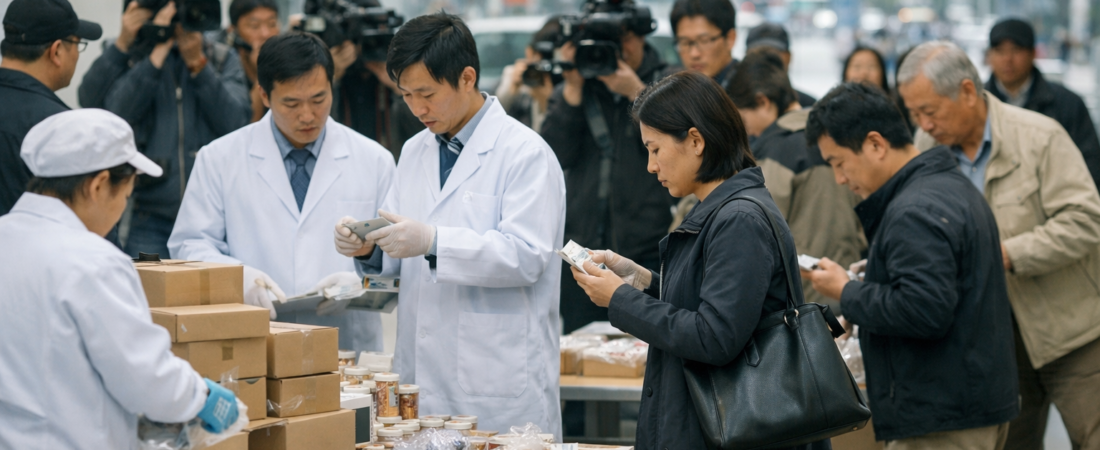
Korea imports massive volumes of consumer goods every year. Online shopping platforms have made it easier than ever for overseas products to reach Korean buyers directly. This convenience comes with real risk, and that’s exactly why recall systems matter so much.
The Fair Trade Commission stated it will actively work to block hazardous products from entering the country. This isn’t just bureaucratic language. It reflects a growing challenge: how do you regulate products that arrive from thousands of overseas sellers, many without physical presence in Korea?
You might wonder how these 13,000 items got caught in the first place. Korean regulators monitor international recall databases, cross-check product safety certifications, and collaborate with customs authorities. According to Maeil Business Newspaper, this coordinated effort has become central to consumer protection policy.
Compare this to a decade ago, when cross-border e-commerce was much smaller. The recall system had a narrower job then. Now, with global shopping apps just a tap away, Korea’s consumer safety net has to stretch further than ever before.
What This Recall Data Means for Everyday Consumers
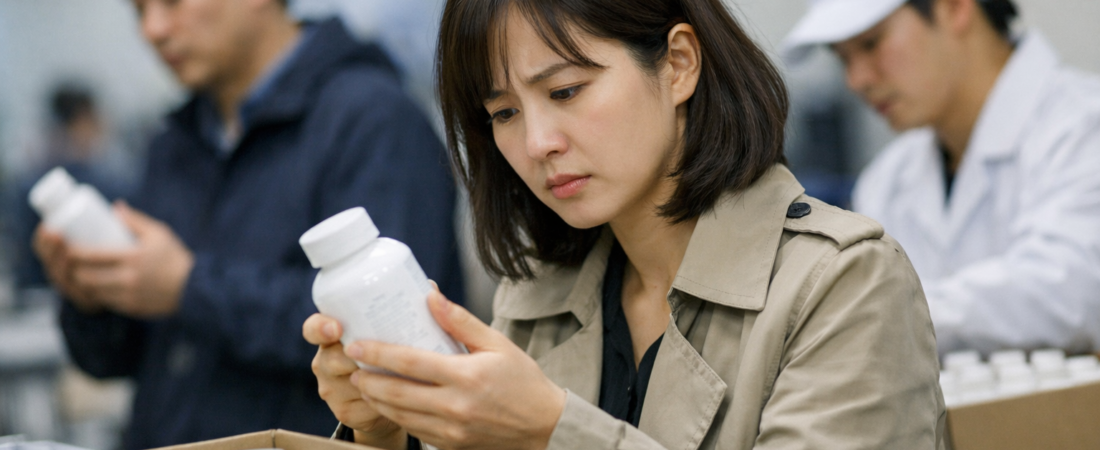
So what should you actually take from these recall numbers? First, medical device recalls deserve extra scrutiny from anyone using imported health products. Second, the sharp rise in local government recalls suggests regional authorities are catching problems that once slipped through.
Is Korea’s recall system perfect? Not quite. Gaps still exist, especially with products sold through smaller overseas marketplaces that operate outside standard import channels.
But here’s the encouraging part. The willingness to publish these numbers, all 2,656 recall cases and 13,000 blocked imports, shows a system that’s willing to be measured and improved. Transparency like this doesn’t fix every problem overnight, but it builds the kind of trust that keeps consumers informed rather than left guessing.
There’s something quietly hopeful in watching an institution track its own failures this closely. No system catches every defective product before it reaches someone’s home, and pretending otherwise would be dishonest. Yet the steady rise in detection numbers, especially that 144 percent jump in local recalls, suggests real people are doing the unglamorous work of checking, testing, and intervening before harm spreads further.
That kind of quiet diligence rarely makes headlines, but it shapes daily life more than most flashy policy announcements ever could. The tension between imperfect protection and genuine effort is worth sitting with rather than resolving too quickly.
Looking Ahead: Can Recall Systems Keep Pace with Global Trade?
Recall enforcement will only grow more complicated as cross-border shopping expands. Korea’s consumer protection agencies now face a moving target, with new products and new sellers appearing daily. The 13,000 blocked items from last year represent real progress, but next year’s total could look very different.
Will Korea’s recall system scale fast enough to match import growth? That’s the real question regulators are wrestling with right now. Stronger international cooperation, faster detection technology, and clearer labeling requirements will likely shape the next phase of this effort.
What do you think about how Korea handles product recall and consumer safety compared to your own country?
AI-Generated Photorealistic Image — All people, scenes, and details in this image are entirely AI-generated and fictional. Not a real photograph of an actual person or event. 이 이미지는 AI로 생성된 가상 이미지입니다.
Leave a Reply