Table of Contents
Would you feel safe sitting in a stadium seat if part of the ceiling could fall on you? That question is not hypothetical in Pohang right now. Pohang Steelers fans got a frightening reminder of that risk after a piece of stone fell from the stadium roof during a recent home match.
The incident happened at Steel Yard, the home ground of Pohang Steelers in the K League 1. Now, because of this accident, the venue cannot host the upcoming Korea Cup match. It’s a serious setback for a club with deep roots in Korean football history.
What Happened at Pohang Steel Yard
During a recent home game, a piece of stone ceiling material broke loose above the spectator stands. It fell without warning, startling everyone nearby. Thankfully, reports suggest the immediate danger was contained, but the risk itself was very real.
Stadiums are supposed to be places of joy, not anxiety. Steel Yard has hosted Pohang Steelers matches for decades, carrying memories of championship celebrations and heartbreaking losses alike. So how does a stadium with this much history end up with falling debris in 2026?
Aging infrastructure is often the quiet culprit behind these incidents. Concrete and stone materials weaken over time, especially with repeated exposure to weather and structural stress. Pohang Steelers officials now face pressure to explain how this happened and what inspections were missed.
Steel Yard was originally built decades ago, and like many older Korean stadiums, it has undergone partial renovations rather than full reconstruction. That patchwork approach can leave hidden vulnerabilities behind fresh paint and updated seating. Nobody wants to learn about those vulnerabilities the hard way, through a falling ceiling piece.
Why Korea Cup Plans Fell Apart
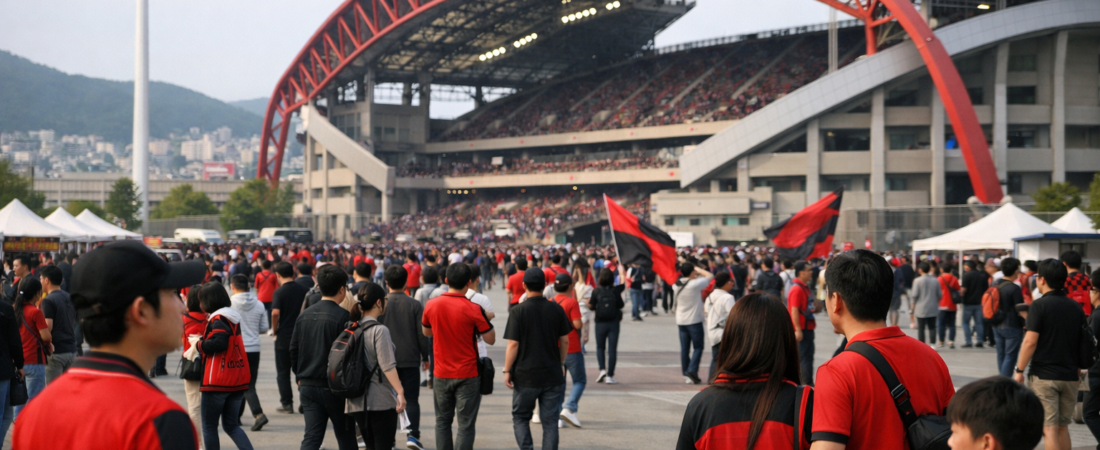
Following the accident, safety officials moved quickly. Steel Yard has been deemed unsuitable, at least for now, to host the Korea Cup fixture originally scheduled there. That decision affects Pohang Steelers directly, since they lose home-field advantage for a major tournament match.
Think about what this means practically. Fans who planned trips, bought tickets, or organized watch parties suddenly need a new location and possibly a new schedule. That’s not a small inconvenience — it’s a disruption to an entire local sports economy built around match days.
The Korea Cup itself carries real weight in Korean football culture. It gives lower-division clubs a rare chance to challenge top-flight teams like Pohang Steelers, creating some of the most unpredictable matches of the season. Losing a host venue mid-competition threatens that unpredictable magic that fans love.
Officials have indicated that a replacement venue and revised safety inspection results will be announced soon. Until then, uncertainty hangs over the fixture. And uncertainty, as any football fan knows, is rarely comfortable — whether it’s about a match result or a stadium ceiling.
Pohang Steelers and the Bigger Safety Question
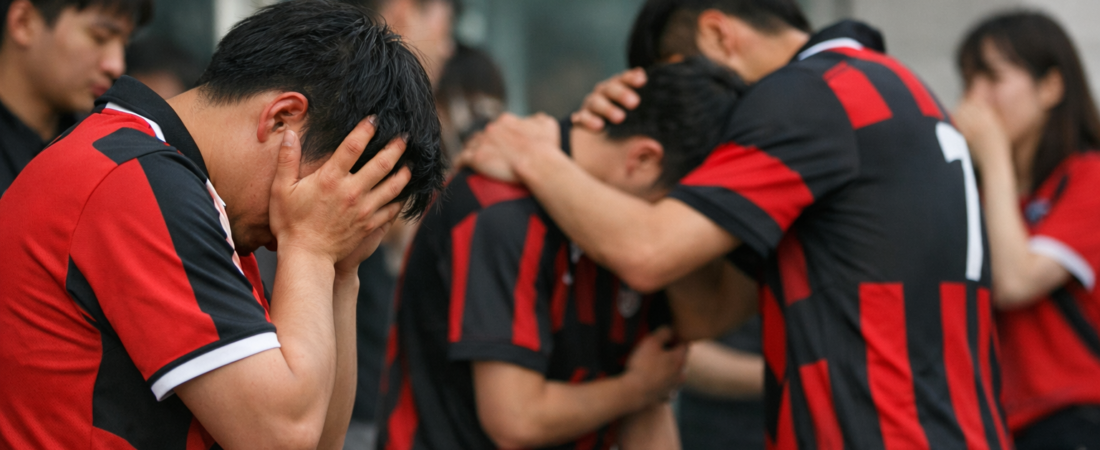
Pohang Steelers is one of the most storied clubs in Korean football, with multiple league titles and a passionate regional fanbase. This accident, though, puts a spotlight on something bigger than one club’s schedule. It raises the question of how well Korea’s aging sports venues are actually maintained.
Many K League stadiums were built for major events decades ago, including the 2002 FIFA World Cup era of stadium construction. Since then, some venues received consistent upgrades. Others, it seems, did not receive the same level of attention — and Steel Yard’s recent incident may be evidence of that gap.
Should fans worry every time they walk into a stadium? That’s probably too extreme a reaction. But this incident does justify asking whether inspection schedules at older Korean stadiums are frequent enough, and whether findings from those inspections are actually acted upon in time.
You can read more background on stadium safety standards and recent sports infrastructure news through Yonhap News Agency. Comparing Korea’s approach to stadium maintenance with international standards might reveal useful lessons. After all, no club wants its home advantage turned into a liability.
Here’s a bit of dry understatement for you: falling ceiling stone is not exactly the kind of “home field advantage” any manager hopes for.
What Comes Next for Fans and the Club
Pohang Steelers now faces a two-part challenge. First, they must sort out where the Korea Cup match will actually be played. Second, and arguably more important, they need to restore public confidence in Steel Yard as a safe venue for future matches.
Neither task is simple. Relocating a match involves coordination with opponents, league officials, and local governments. Rebuilding trust takes even longer, because fans remember incidents like this long after headlines fade.
For global readers unfamiliar with K League operations, this situation offers a window into how Korean sports administration handles crises. Transparency about the accident’s cause, paired with a clear inspection and repair timeline, will matter more than quick reassurances. Pohang Steelers supporters deserve straightforward answers, not vague promises.
Looking ahead, this incident could actually push Korean football toward stronger stadium safety standards nationwide. Sometimes a single alarming event forces institutions to review policies they had quietly ignored for years. If Pohang Steelers and the K League use this moment to strengthen inspection protocols, something painful today could lead to safer stadiums tomorrow.
What do you think — should Korean sports authorities mandate more frequent structural inspections across all K League venues, not just Steel Yard?
AI-Generated Photorealistic Image — All people, scenes, and details in this image are entirely AI-generated and fictional. Not a real photograph of an actual person or event. 이 이미지는 AI로 생성된 가상 이미지입니다.


Leave a Reply