Table of Contents
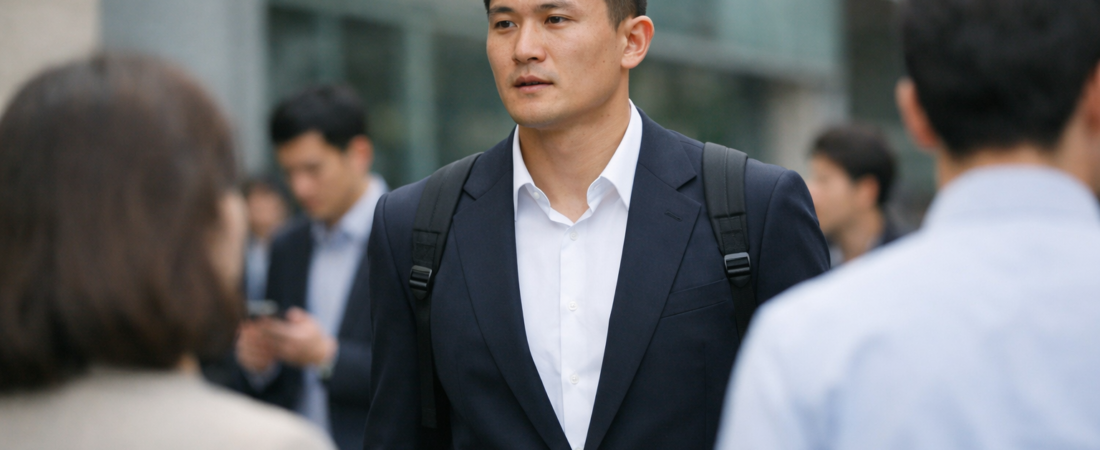
What does real leadership sound like after a painful defeat? For Kim Min-jae, it sounds like honesty, not excuses. The South Korean defender, currently starring for Bayern Munich, finally opened up about Korea’s disappointing exit from the 2026 World Cup.
His comments landed during Bayern Munich’s preseason tour stop in Jeju. And they revealed something rare in Korean sports culture: a top player admitting fault in public, without deflecting blame elsewhere.
A Painful Truth: Kim Min-jae Breaks His Silence
Kim Min-jae did not hold back. In an interview published on August 6, he admitted the players simply did not perform well enough at the World Cup. That single sentence carries more weight than it might seem at first glance.
Think about it — how often do professional athletes publicly own a national failure this directly? Korean sports culture tends to favor collective silence after tough losses, letting time heal the wound quietly. Kim Min-jae chose a different path.
He spoke while representing Bayern Munich on Korean soil, adding extra weight to his words. Fans watching the tour expected smiles and photo ops, not a candid postmortem of national heartbreak. Instead, Kim Min-jae gave them something more valuable — accountability.
This matters because Kim Min-jae is not a bench player offering distant commentary. He is Korea’s defensive anchor, a Bundesliga champion, and arguably the country’s most recognizable footballer abroad. When someone with that stature says “we didn’t play well enough,” it carries the credibility of someone who was actually on the field.
Context: How Korea’s 2026 World Cup Campaign Fell Apart
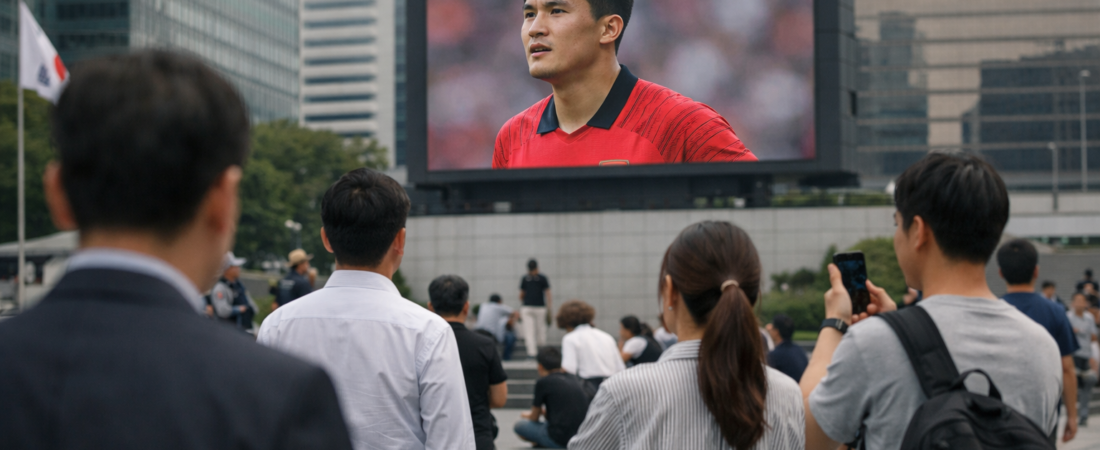
Korea entered the 2026 North and Central America World Cup with real hope. The expanded 48-team format was supposed to offer more breathing room for mid-tier football nations. Instead, Korea’s campaign ended in disappointment, and the nation is still processing what went wrong.
Elimination from a World Cup always triggers the same national ritual in Korea. Fans debate tactics on social media, pundits dissect every substitution, and pressure builds around the coaching staff. This cycle repeated after the 2026 tournament, and Kim Min-jae’s comments arrived right in the middle of that public reckoning.
Korean football has a complicated World Cup history. The unforgettable semifinal run in 2002 still shapes expectations today, sometimes unfairly. Every tournament since gets measured against that golden memory, and every early exit feels like a step backward rather than simply a tough result in a difficult sport.
Kim Min-jae’s willingness to name the real issue — underperformance on the pitch — cuts through some of that noise. He did not blame the schedule, the opponents, or bad luck. He pointed at the players themselves, including implicitly himself, which is a harder thing to do than blaming outside factors.
For readers following Korean sports media, outlets like Maeil Business Newspaper have covered the aftermath extensively, tracking how fans and officials are reacting to his remarks.
What Kim Min-jae Wants From the Next Head Coach
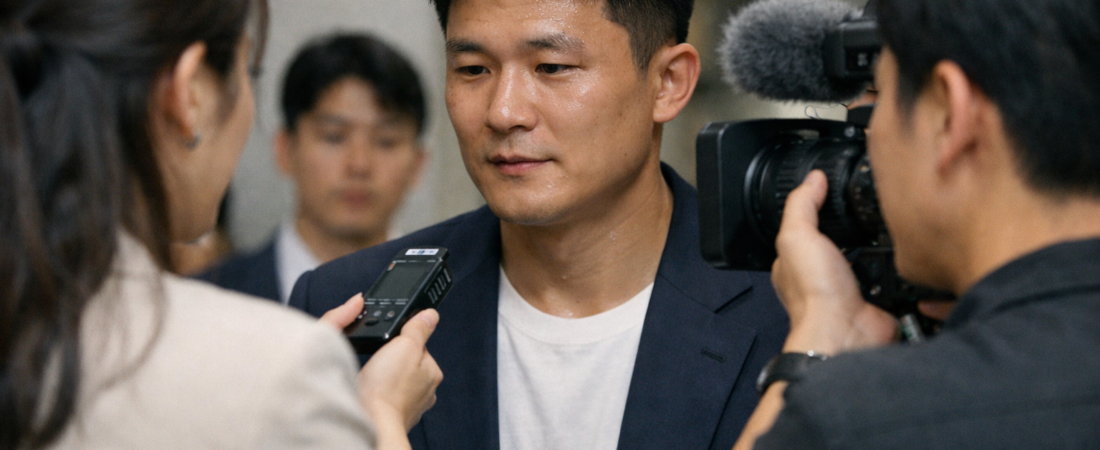
Beyond taking responsibility, Kim Min-jae also shared his thoughts on what Korea’s next head coach needs to bring. This is significant. Senior players rarely comment publicly on coaching qualifications, since that topic usually stays behind closed doors at the Korea Football Association.
Kim Min-jae’s perspective carries unique authority here. He has played under top-level coaching at Napoli and Bayern Munich, two of European football’s most demanding environments. He knows firsthand what separates an average tactical setup from one that actually maximizes a squad’s talent.
So what exactly makes a good head coach, according to a player who has seen the best up close? While the full details of his comments touch on team culture and tactical clarity, his broader message is clear: Korea needs direction, not just discipline. Players want a coach who can translate individual quality into a coherent collective system.
This is not a small distinction. Korea has never lacked individual talent — the current squad includes players from major European leagues, Kim Min-jae among them. The gap has always been turning that talent into a unified, tactically sharp team capable of competing with the world’s best under World Cup pressure.
Korean football fans take these coaching debates seriously — some might say a little too seriously, judging by how many amateur tactics threads appear online after every match. That passion, though exhausting at times, is also proof of how deeply the sport matters here.
Why This Moment Matters for Korean Football’s Future
Kim Min-jae’s comments do more than address one disappointing tournament. They open a wider conversation about accountability, leadership, and what comes next for Korean football. That conversation feels overdue.
Consider the position Kim Min-jae occupies right now. He captains-level influence within the squad, plays for one of Europe’s biggest clubs, and speaks with the perspective of someone who has succeeded at the highest level. When a player like that says the team must be honest about its shortcomings, other players and officials tend to listen.
Will the Korea Football Association actually apply the standards Kim Min-jae described when choosing the next head coach? That remains to be seen. Coaching searches in Korean football have historically balanced domestic familiarity against international experience, and that tension rarely resolves cleanly.
What is clear is this: Kim Min-jae has set a tone. He has shown that admitting failure and demanding better leadership are not signs of disloyalty — they are signs of genuine investment in the team’s future. Other senior players may now feel more comfortable speaking with similar honesty.
Looking ahead, Korea’s football federation faces a real test. It must choose a coach who fits the specific direction Kim Min-jae and his teammates have identified. Get that decision right, and Korea could enter the next qualification cycle with renewed confidence and a clearer tactical identity.
Get it wrong, and this same cycle of disappointment risks repeating itself before the next tournament arrives. Kim Min-jae has done his part by speaking honestly about what happened. Now the question shifts to the decision-makers: will they listen to what their own players are telling them?
What do you think Korea’s national team needs most from its next head coach — tactical innovation, international pedigree, or simply someone who can unite this talented but underperforming group?
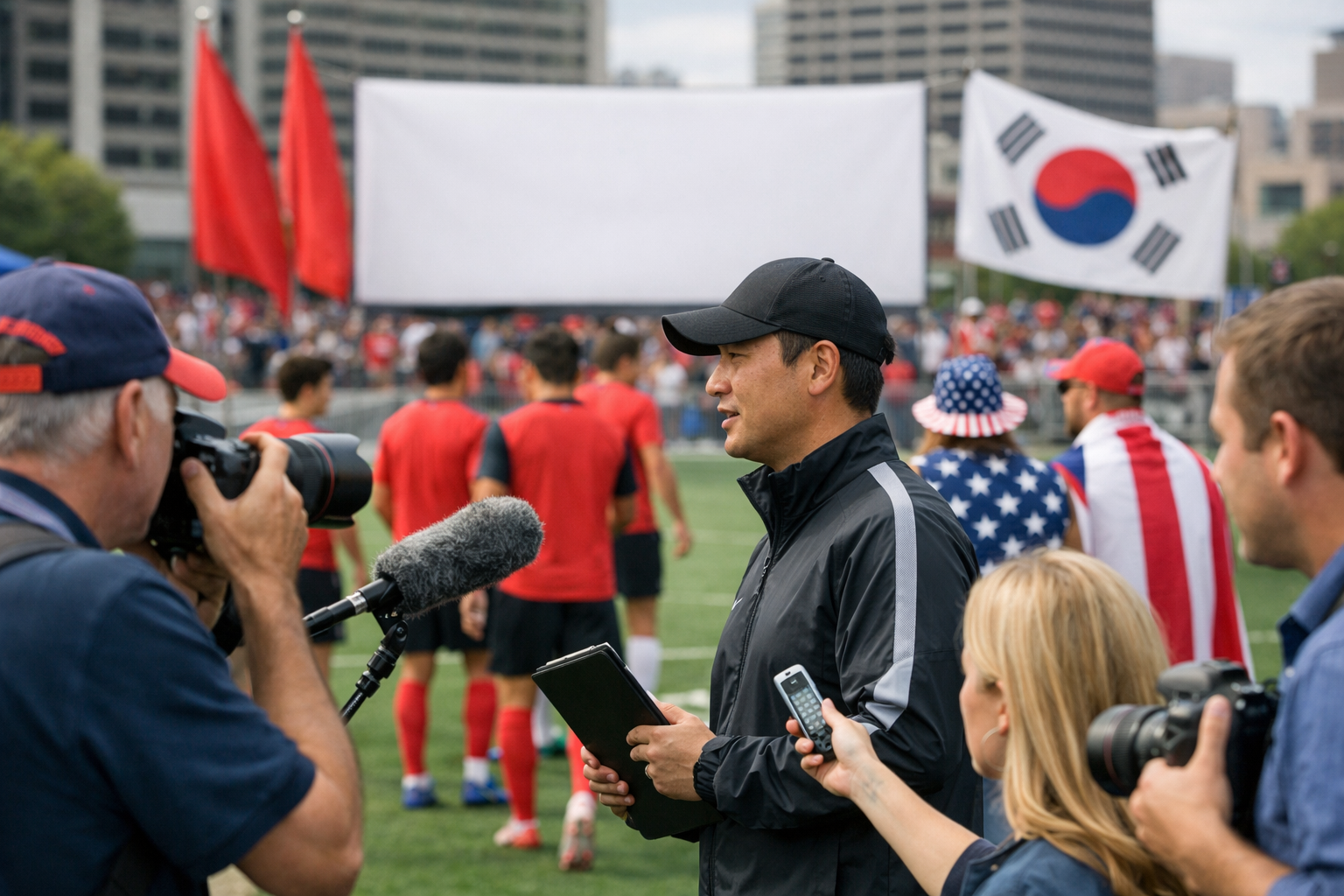
AI-Generated Photorealistic Image — All people, scenes, and details in this image are entirely AI-generated and fictional. Not a real photograph of an actual person or event. 이 이미지는 AI로 생성된 가상 이미지입니다.

Leave a Reply