Table of Contents
Why would a country film a fourteen-minute tourism video and forget to include actual tourists? That’s the strange puzzle sitting inside North Korea’s latest promotional push for its Wonsan Kalma coastal resort. State media calls it a world-class destination, but the footage tells a very different story.
Understanding North Korea’s tourism ambitions helps explain a lot about how the regime presents itself to the world. This isn’t just a story about a beach resort. It’s a window into how North Korea uses image over substance, and why that gap matters for anyone trying to understand the country today.
What the Wonsan Kalma Video Actually Shows
State broadcaster Korean Central Television aired the video earlier this month, showcasing jet skis, paragliding, and sun-soaked sand. The narration calls the beach the finest in the world. One line boasts that Wonsan Kalma has become a coastal tourism city unmatched anywhere on earth.
But watch closely, and something feels off. The beach looks strangely empty for a place claiming global fame.
Foreign visitors are almost nowhere to be found in the entire fourteen minutes. If this really were a world-class tourist hub, wouldn’t you expect to see international crowds enjoying the water?
That absence is the real story here, and it says more about North Korea’s current situation than any narrator’s script could.
Why North Korea Wants a World-Class Resort
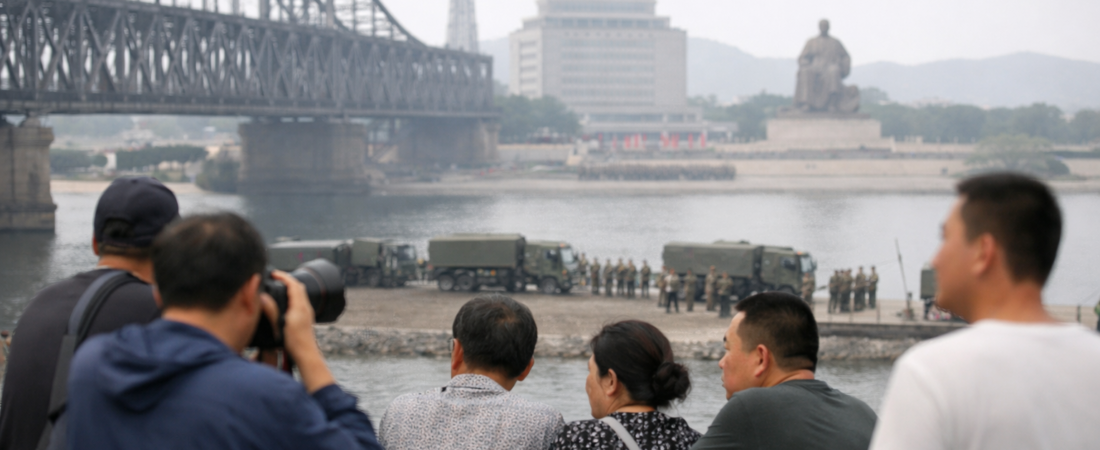
Wonsan Kalma is widely described as Kim Jong-un’s signature project, a personal priority stretching back years. The site includes hotels, water parks, and beachfront facilities designed to rival resorts anywhere in Asia. On paper, the numbers are impressive.
North Korea claims the district can house twenty thousand overnight guests and let forty thousand people use its beaches daily. For comparison, the old Mount Kumgang tourism zone, once open to South Korean visitors, handled only about three thousand people a day at its peak. That’s a massive jump in scale, at least according to the North’s own figures.
So why build something this large? Tourism revenue matters to a country under heavy international sanctions.
Every dollar from a foreign visitor is a dollar that doesn’t depend on trade routes blocked by sanctions. North Korea has long looked for legal cash channels, and beach tourism fits that need neatly, at least in theory.
The Missing Tourists: A Closer Look
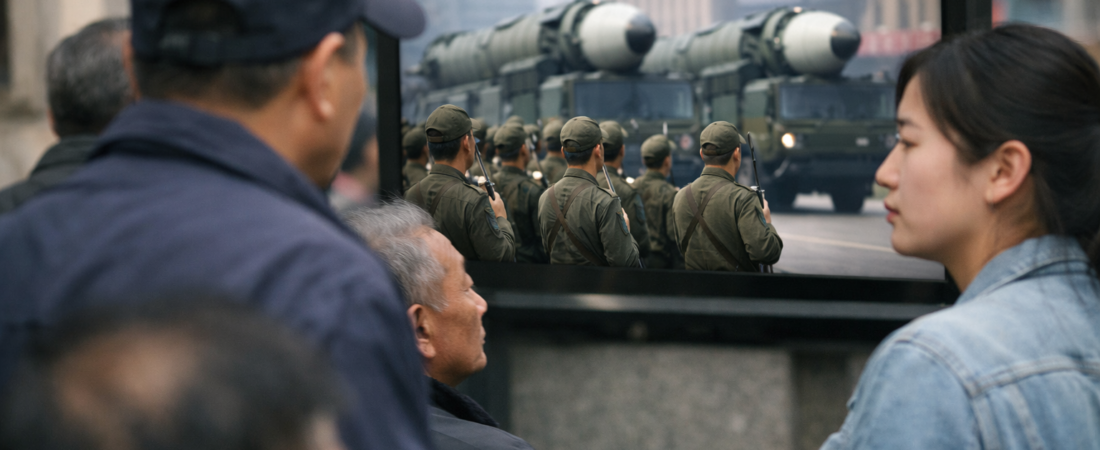
Here’s where the promotional gloss meets reality. Russian visitor numbers remain small, and Chinese tourism, which once made up ninety percent of all foreign visits to North Korea, has not restarted in any serious way. That’s a striking gap for a resort marketed as globally significant.
According to a tourism expert at the Korea Tourism Organization, quoted through SBS News, the suspension of Chinese group tourism has simply continued. With peak summer season already passing, meaningful Chinese arrivals this year look unlikely. That single detail undercuts the entire “world-class” framing North Korea keeps repeating.
Who is actually filling those beaches, then? Reporting suggests most current visitors are North Korean citizens, sent as a kind of reward vacation.
State television footage shows workers from a coal mining complex and a cosmetics factory enjoying what’s described as joyful days of tourism. Radio Free Asia has also reported, citing sources in North Hamgyong Province, that selected residents receive invitation-only tickets to Wonsan Kalma. Some reportedly resell these tickets, since entry may be free but extra facilities inside still cost money.
What This Reveals About North Korea Explained
Step back, and the pattern becomes clear. North Korea’s tourism messaging often runs ahead of North Korea’s tourism reality. The video wants you to believe in a bustling international destination, while the actual visitor base looks more like a domestic reward system dressed up for cameras.
Is this dishonest, or just standard promotional exaggeration? Maybe it’s a bit of both, and that’s worth sitting with rather than rushing past.
Every country curates its public image to some degree, choosing which photos and statistics to highlight. The difference in North Korea’s case is scale, since state media operates without competing outlets to offer a fuller picture. That gap between the polished video and the empty beach isn’t just a media quirk; it points to a closed information system where citizens and outside observers alike have to read between the lines.
There’s something almost hopeful underneath this story, too. The very fact that a mining complex and a cosmetics factory can send workers on a reward trip suggests some value is still placed on rest and recognition for ordinary labor, even within a rigid system.
Whether that gesture reaches most citizens, or only a fortunate few holding a resellable ticket, remains an open and important question. Real change would mean expanding that small gesture into something more widely shared, not just filming it well.
Looking ahead, North Korea’s tourism ambitions will likely keep outpacing its tourism numbers for some time. Sanctions, limited partner countries, and a controlled information system all work against rapid growth. Anyone trying to understand North Korea today should watch not just what gets filmed, but who gets left out of the frame.
What do you think — does North Korea’s promotional strategy reflect genuine ambition, or mostly image management for a domestic and international audience? Let us know your take in the comments below.
AI-Generated Photorealistic Image — All people, scenes, and details in this image are entirely AI-generated and fictional. Not a real photograph of an actual person or event. 이 이미지는 AI로 생성된 가상 이미지입니다.


Leave a Reply