Why Are Baseball Stadiums Booming This Summer?
Can a heat wave actually be good for business? At Korean baseball stadiums this summer, the answer seems to be yes.
Despite brutal heat waves and sweltering tropical nights, fans are packing stadiums across the country. And they’re not just watching the game — they’re eating, drinking, and spending more than ever.
Food and beverage sales inside Korean baseball stadiums have surged this season, according to industry data. That’s a surprising trend when you consider how many people usually avoid outdoor activities during a heat wave.
So what’s really going on here? Let’s dig into the numbers and the culture behind them.
The Numbers Behind the Baseball Stadium Food Boom
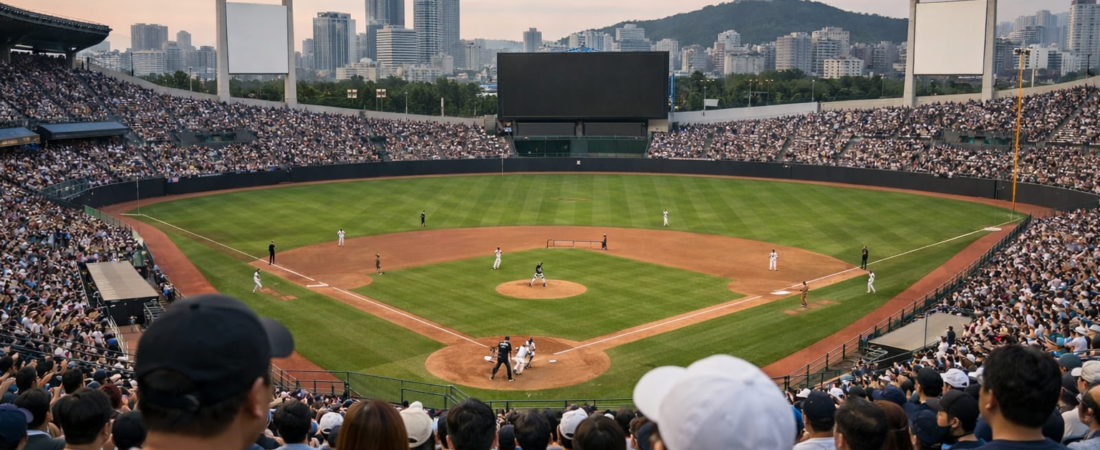
Reports show a clear pattern this season. As temperatures climbed, so did concession sales at ballparks nationwide.
Vendors selling fried chicken, beer, and cold noodles have seen especially strong demand. Some stadium operators describe the increase as one of the sharpest they’ve tracked in recent years.
This isn’t just a small bump. Industry watchers note that food and beverage revenue is now rising alongside — sometimes faster than — ticket sales themselves.
Think about that for a moment. The baseball stadium experience is no longer just about the game on the field.
It’s becoming a full evening out, built around food, friends, and atmosphere. Koreans take their stadium snacks seriously — this is not an exaggeration.
A New Leisure Culture Takes Shape at the Baseball Stadium
Why would people choose a hot, humid stadium over an air-conditioned living room? The answer lies in how leisure itself is changing in Korea.
Baseball games have long been social events here, dating back to the sport’s rise in popularity through the 1980s and 1990s. But today’s fans are treating a night at the baseball stadium as an experience, not just a match to watch.
Many fans now plan entire outings around a single game. That might include trying a new stadium food stall, meeting friends for drinks, or even combining the trip with local travel.
This mirrors a broader shift happening across Korean consumer culture. People increasingly value shared experiences over simple transactions.
A baseball stadium ticket isn’t just admission anymore — it’s a ticket into a whole evening of connection. You could compare it to how a concert ticket abroad often includes the merch stand, the food trucks, and the whole social buzz around it, not just the music itself.
What This Baseball Stadium Trend Means for Korea’s Economy

Does this really matter beyond the ballpark? Yes — and here’s why.
When a baseball stadium becomes a strong consumption hub even during extreme heat, it signals resilience in local spending. According to Maeil Business Newspaper, this pattern reflects a wider leisure economy that keeps growing despite tough weather conditions.
Local vendors, franchise chains, and even nearby restaurants all benefit when stadium attendance rises. That ripple effect touches small business owners who depend on game-day crowds for a meaningful share of their income.
But let’s be honest about the other side of this picture too. Rising food and drink spending at the baseball stadium also reflects how much heat and inflation are reshaping daily life, pushing some fans toward pricier convenience over budget-conscious outings, and leaving smaller vendors outside stadium walls to compete harder for the same customers.
Yet there’s something hopeful here as well. Communities are finding new ways to gather safely and affordably despite discomfort — turning a shared love of baseball into an anchor for connection when the weather itself discourages people from leaving home.
That balance between hardship and togetherness says something true about how people adapt. Heat waves test our patience, but they also reveal what we’re willing to endure for connection and joy.
The same resilience that fills stadium seats in the sun can also mask real fatigue and rising costs many fans quietly carry home. Both things can be true at once, and recognizing that complexity feels more honest than simply celebrating the crowds.
Looking ahead, the baseball stadium economy may keep growing as more fans treat games as full-day experiences rather than quick outings. Stadium operators seem to be taking notice, expanding food options and comfort features to match this shift.
What do you think — would you brave a heat wave for good stadium food and a great game?
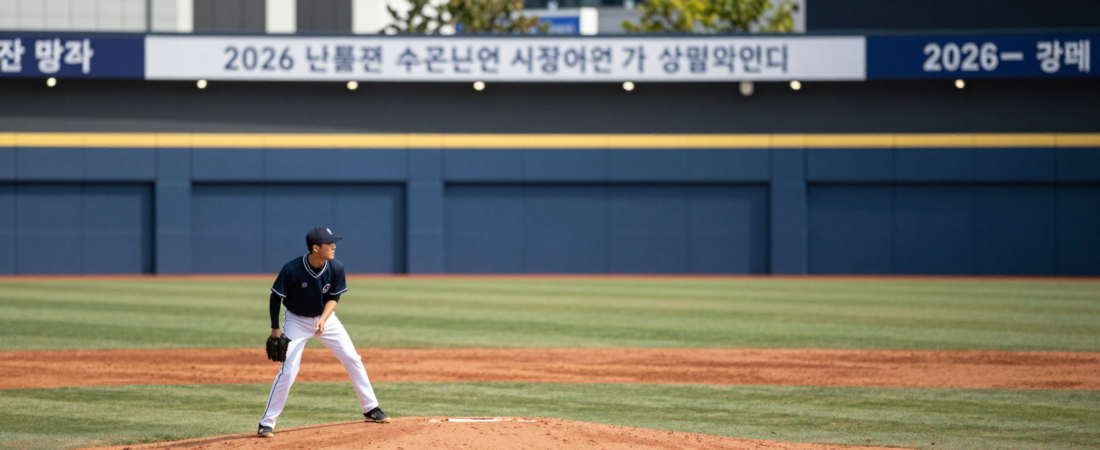
AI-Generated Photorealistic Image — All people, scenes, and details in this image are entirely AI-generated and fictional. Not a real photograph of an actual person or event. 이 이미지는 AI로 생성된 가상 이미지입니다.
Leave a Reply