
Table of Contents
Hanwoo, Korea’s premium native beef, is now reaching dinner tables in Singapore. Quarantine approval for Jeju-produced hanwoo and handon, Korean pork, was finalized in late 2025. Since then, exports have steadily grown, opening a new chapter for K-meat abroad.
Why does this matter to you, even if you have never tasted hanwoo? Because it tells a bigger story about how Korean food culture is spreading across Asia. Singapore’s premium food market is famously picky, and hanwoo just earned a seat at that table.
Why Hanwoo Is Winning Over Singapore
Singapore’s food scene is small but demanding. Consumers there have access to Japanese wagyu, Australian grass-fed beef, and American prime cuts. So why would hanwoo stand out in such a crowded market?
The answer lies in timing and trust. The Ministry of Agriculture, Food and Rural Affairs and the Korea Agro-Fisheries & Food Trade Corp. (aT) began targeted marketing after Jeju hanwoo and handon cleared Singapore’s quarantine rules in November 2025. That single regulatory step unlocked years of pent-up demand.
Singapore consumers already trust Korean food. K-dramas and K-pop have made Korean cuisine familiar long before hanwoo arrived on store shelves. That cultural head start gives hanwoo an advantage most new imported meats simply do not have.
Growth figures as of the end of June show hanwoo exports to Singapore rising steadily. This is not a one-time spike. It reflects a slow, deliberate strategy by Korean agricultural agencies to build a lasting premium meat brand overseas.
What Makes Hanwoo Different From Other Beef
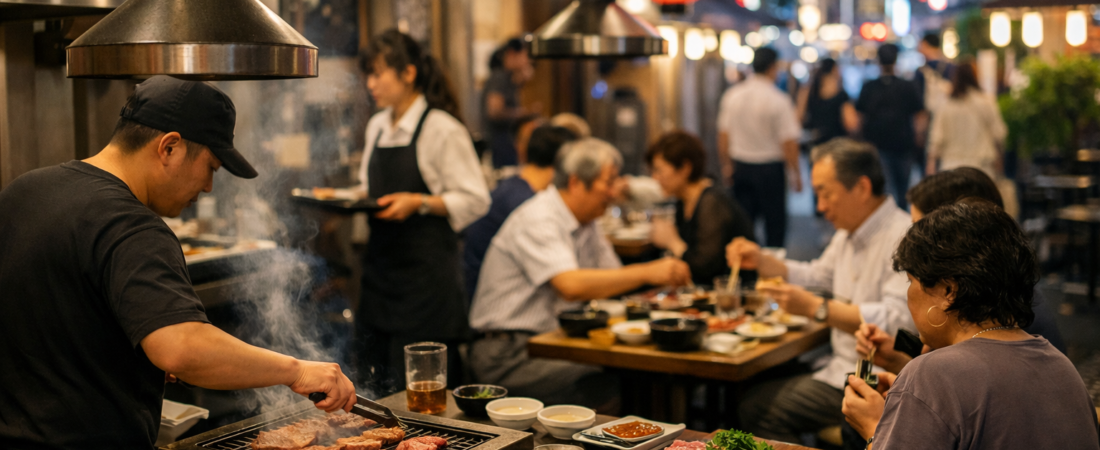
Hanwoo is not just “Korean beef.” It comes from a specific native cattle breed raised almost exclusively in Korea. Its marbling pattern, texture, and flavor profile set it apart from wagyu or Angus beef.
Farmers raise hanwoo cattle with strict feeding schedules and long maturation periods. This process takes longer than standard beef production, often over 30 months. The result is a tender, richly marbled meat that Koreans have prized for generations.
Historically, hanwoo was a luxury reserved for special occasions like holidays and family celebrations. Owning cattle was once a sign of wealth in rural Korea. That cultural memory still shapes how Koreans view hanwoo today, as a symbol of quality rather than an everyday commodity.
Handon, the pork counterpart, carries a similar reputation for quality within Korea. Both products now carry that domestic prestige into new export markets. If you have ever wondered why Koreans treat certain meals as special occasions, hanwoo is often part of the answer.
Curious readers can learn more about Korea’s food export strategy through Korea Herald, which regularly tracks these agricultural trade developments.
How Jeju Became the Gateway for K-Meat
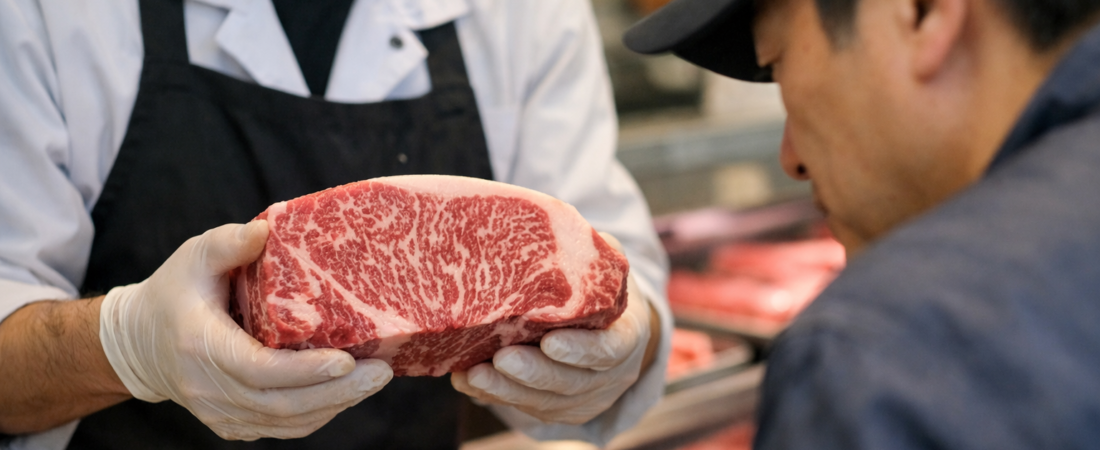
Jeju Island plays a special role in this export story. Its isolated geography makes disease control easier, which matters greatly for meat exports. That advantage helped Jeju hanwoo and handon clear Singapore’s quarantine requirements first.
Jeju has long marketed itself around clean air and volcanic soil, mostly for tangerines and tourism. Now that same “clean island” branding extends to livestock. It turns out volcanic soil is good for more than just citrus fruit (who knew).
This regional approach also matters for Korea’s broader export strategy. Instead of trying to certify the entire country at once, agencies focused on one region with strong biosecurity. That smaller, controlled first step made the whole process faster and more manageable.
Other Korean regions may now follow Jeju’s model. If hanwoo exports continue growing in Singapore, expect similar quarantine agreements for beef and pork producers elsewhere in Korea. Success in one market often becomes a template for expansion into others.
What This Means for the Future of K-Meat
Singapore is a small market, but it carries outsized influence. Its wealthy, food-savvy consumers often set trends that spread across Southeast Asia. If hanwoo succeeds there, other regional markets may follow.
This growth also raises real questions about scale. Hanwoo production is slow and labor-intensive by design. Can Korean farmers meet rising overseas demand without compromising the quality that made hanwoo special in the first place?
That tension between growth and tradition is not unique to hanwoo. Many Korean farming communities face shrinking populations and aging workers, a genuine challenge with no easy fix. Yet new export demand also gives young farmers a reason to stay in the industry, and government support programs are actively investing in modernized, smaller-scale hanwoo operations that preserve quality while easing labor pressure.
There is something quietly hopeful in watching a small island’s cattle reach dinner tables thousands of miles away. It shows how careful, patient work, done consistently over years, can open doors that once seemed closed. At the same time, that same patience reminds us that not every tradition scales easily, and preserving what makes hanwoo special will require real care, not just marketing.
For readers outside Korea, hanwoo exports offer a small window into a larger truth. Korean agriculture is no longer just feeding its own population. It is competing on a global stage where quality and cultural story matter as much as price.
What do you think about hanwoo’s growing presence in international markets like Singapore?
AI-Generated Photorealistic Image — All people, scenes, and details in this image are entirely AI-generated and fictional. Not a real photograph of an actual person or event. 이 이미지는 AI로 생성된 가상 이미지입니다.

Leave a Reply