Table of Contents
Right now in Korea, a sharp band of sudden showers, known locally as sonagi, is soaking the greater Seoul region and Gangwon Province. Once the rain clears, temperatures are expected to spike again, with highs reaching 36 degrees Celsius. Meteorologists warn this stop-and-start pattern will keep humidity uncomfortably high across much of the country this week.
What’s Happening Right Now Across Korea
As of this week, weather stations are tracking a classic late-summer pattern. Sonagi showers are dropping fast and heavy over the capital area and Gangwon, then disappearing within an hour or two. That’s the nature of these bursts — they arrive without much warning and leave just as quickly.
But here’s the twist that makes this week’s forecast notable. Once the sonagi passes, the air doesn’t cool down. Instead, sunlight returns almost immediately, heating the wet ground and pushing afternoon temperatures up to 36 degrees in some regions.
This isn’t isolated to one city or province. Nationwide, forecasters expect a repeating cycle of sonagi followed by muggy heat, meaning the feels-like temperature will often exceed the actual thermometer reading. Have you ever stepped outside after a summer rain and felt like you walked into a sauna? That’s exactly the sensation millions of Koreans are bracing for this week.
Why Sudden Showers and Heat Go Together
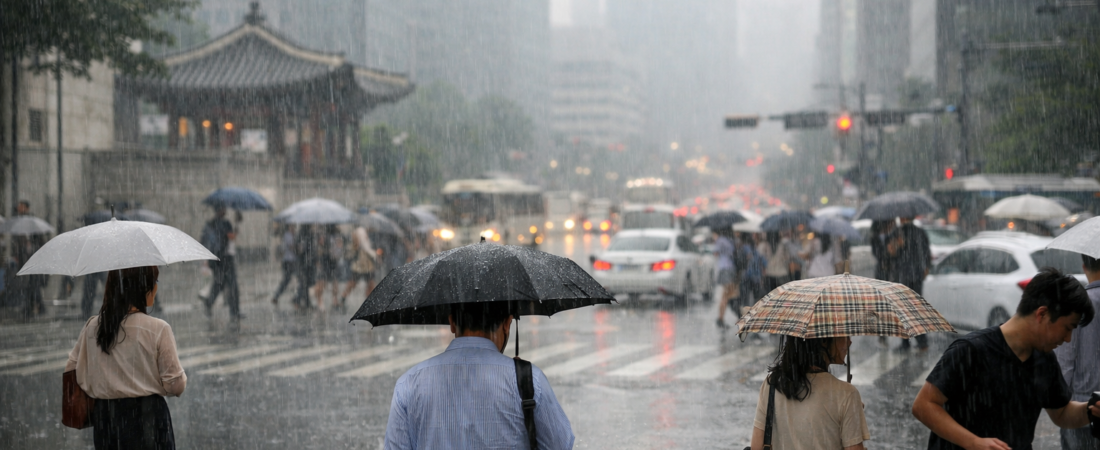
Understanding why sonagi and extreme heat arrive as a package deal helps explain Korea’s late-August climate pattern. Warm, moist air rises quickly during peak daytime heat, forming towering clouds that release short, intense rain. Once that rain falls, it evaporates rapidly off hot pavement and soil, adding even more moisture back into the air.
That evaporation process is why the period right after sonagi often feels worse than before it rained. Meteorologists call this “high-temperature, high-humidity” weather — go-on-da-seup in Korean terms, though English speakers usually just call it muggy. The combination traps heat close to the ground and makes it harder for your body to cool itself through sweating.
Korea’s geography plays a role too. The peninsula sits at a crossroads of continental and maritime air masses in late summer, which is exactly why sonagi patterns tend to spike in August. Gangwon’s mountainous terrain adds another layer, since rising air over ridgelines often triggers these localized downpours before they drift toward the Seoul metropolitan area. It’s a small country with a surprisingly complex weather engine.
The Human Side of High-Humidity Heat
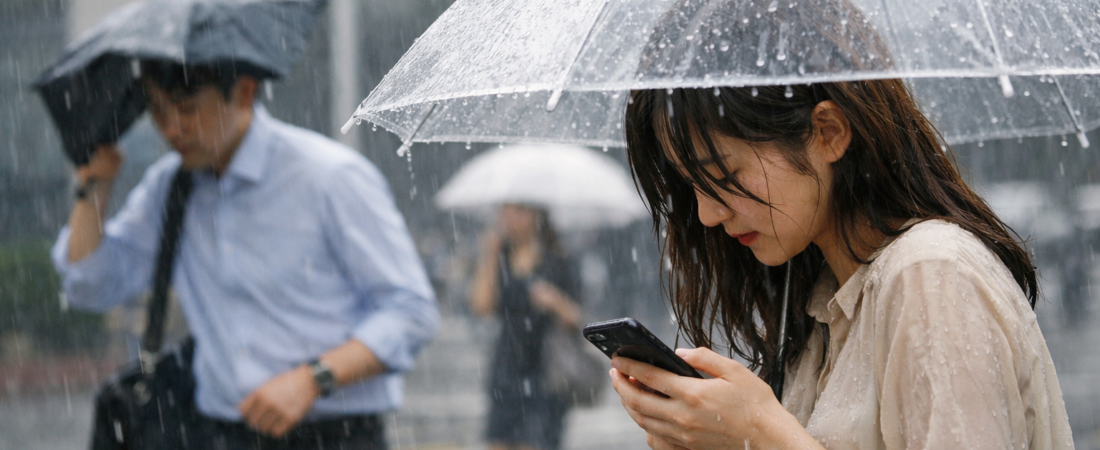
Weather forecasts can feel abstract until you think about who actually has to work through them. Construction crews, delivery riders, and street vendors don’t get to wait out a heat wave indoors. For them, this week’s sonagi-then-swelter pattern isn’t just an inconvenience — it’s a real physical challenge.
Korean cities have made real progress here, and it’s worth naming honestly. Seoul and other municipalities now run public cooling shelters, hand out heat-alert texts, and adjust outdoor work hours during extreme heat warnings.
Still, gaps remain. Older residents living alone, and workers in informal or gig-based jobs, often fall outside these safety nets, even as awareness campaigns expand each summer. That tension — genuine institutional effort alongside real remaining vulnerability — is worth sitting with rather than glossing over. Progress and shortfall can be true at the same time, and naming both honestly is more useful than pretending the problem is solved.
There’s something almost humbling about how a short burst of sonagi can disrupt an entire day’s plans, only for the heat to return stronger than before. It reminds you that human comfort has always depended on forces far bigger than ourselves. Recognizing that limit isn’t fatalism — it’s the starting point for building better shelters, smarter warning systems, and more compassion for the people who can’t simply stay inside.
What This Means for You Going Forward
If you’re traveling to Korea this week, or simply tracking Korean news from abroad, this sonagi-and-heat cycle matters more than a typical weather story. It affects flight delays, outdoor event planning, and even subway platform conditions during peak humidity hours. For residents, it shapes daily decisions about commuting, exercise, and childcare.
You can check real-time updates through Korea’s official weather agency, and international outlets like Yonhap News Agency also track these patterns closely. Planning a few minutes around the forecast can save you from getting caught in an unexpected sonagi downpour or from underestimating how draining 36-degree humidity really feels.
Will this pattern ease as September approaches, or is Korea looking at a longer stretch of unstable summer weather? That’s the question meteorologists are watching closely right now. Either way, understanding how sonagi and heat interact gives you a sharper, more practical lens on daily life in Korea — not just this week, but every late summer to come.
What’s your experience with sudden summer showers where you live — do they cool things down, or just make the heat feel worse afterward?
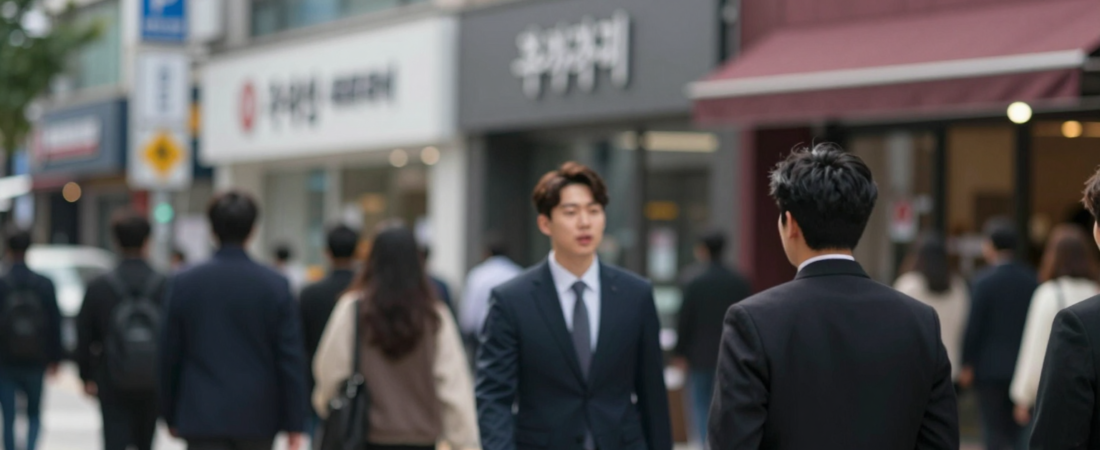
AI-Generated Photorealistic Image — All people, scenes, and details in this image are entirely AI-generated and fictional. Not a real photograph of an actual person or event. 이 이미지는 AI로 생성된 가상 이미지입니다.
Leave a Reply