Table of Contents
Korea’s weather agency issued a gale warning for waters off southwest and southeast Jeju Island, effective 8 p.m. on August 25. At the same time, a heat warning stayed active across northern Jeju City. Jeju Island is now dealing with rough seas and dangerous heat in the very same week.
Right now in Korea, heat wave concerns are dominating the national conversation. As of this week, forecasters are tracking both extreme heat and stormy seas around Jeju Island simultaneously. Doesn’t that combination sound almost contradictory?
Heat Warning and Sea Alert Hit Jeju Island Together
The Korea Meteorological Administration confirmed the gale warning covers the inner far seas southwest and southeast of Jeju Island. This alert took effect at 8 p.m. on August 25, 2026. Ships and fishing boats operating in those waters now face rougher conditions than usual.
Meanwhile, northern Jeju City remains under a heat warning, the highest level of heat advisory in Korea. That means daytime temperatures are expected to feel dangerously high for an extended stretch. Residents there have been dealing with this stifling heat for days already.
So why does Jeju Island get hit with both warnings at once? The answer lies in how ocean and atmosphere interact around this volcanic island. Warm air sits over the land while shifting wind patterns stir up the surrounding sea, creating two separate but overlapping hazards.
Why Jeju Island Faces Two Weather Threats at Once
Jeju Island sits at a unique geographic crossroads. It’s positioned between the Korean mainland, the East China Sea, and the broader Pacific weather systems. That location makes it especially sensitive to shifting pressure systems in late summer.
When high heat builds over land, it can also destabilize air above nearby ocean waters. This instability often triggers stronger winds and choppier seas offshore. You can think of it as the atmosphere venting pressure in two directions at once — baking the coastline while churning the water beyond it.
Late August is historically a transition period for Korea’s weather. Summer heat hasn’t fully released its grip, but autumn’s changeable wind patterns are starting to stir. This overlap is common, though the intensity varies year to year depending on ocean temperatures and typhoon activity in the wider region.
Official updates on these advisories are tracked continuously by Korea’s national forecasting service, and readers can follow real-time bulletins through outlets like Yonhap News. Staying updated matters more than ever when conditions shift quickly.
What This Means for Travelers and Residents
If you’re planning a trip to Jeju Island this week, pay close attention to both advisories. The gale warning affects boat tours, ferry schedules, and fishing activities along the southern coastlines. Rough seas can cancel excursions with little notice, so flexibility matters.
The heat warning, meanwhile, calls for basic but serious precautions on land. Limit outdoor activity during peak afternoon hours, and stay hydrated throughout the day. Local authorities often open cooling centers and adjust outdoor work schedules when heat warnings stay in effect this long.
Jeju residents take these overlapping alerts seriously — they’ve weathered typhoons and heat waves for generations, after all (this is not a small feat for an island community). Older residents, farmers, and haenyeo divers, the island’s famous female free-divers, are especially vulnerable when both hazards strike together. Checking updated forecasts before any outdoor plan is simply common sense here.
Living With Extreme Weather on Jeju Island
Jeju Island has always lived close to the sea and close to the sun, and that closeness cuts both ways. The same volcanic soil and ocean winds that make Jeju Island so fertile and beautiful also make it vulnerable to sudden weather swings. There’s real hardship in that vulnerability — fishermen lose working days, farmers lose crops, and elderly residents face genuine health risks during extended heat warnings.
But there’s also quiet resilience worth noticing. Local governments have expanded early-warning systems and cooling shelters in recent years, and fishing communities coordinate closely to share real-time sea conditions before anyone heads out. That kind of practical cooperation, built from necessity, offers a model other coastal regions can learn from.
What does it mean to live somewhere that never stops testing you? Jeju Island’s history suggests an answer: adaptation, not conquest, is how people endure difficult land and difficult seas. Korea’s broader response to climate variability increasingly reflects that same lesson, favoring preparation over panic.
For readers outside Korea, this Jeju Island story is a small window into a larger global pattern. Coastal regions everywhere are facing more frequent overlapping weather extremes — heat on land, instability at sea. What do you think communities like Jeju Island can teach the rest of us about adapting to unpredictable weather?
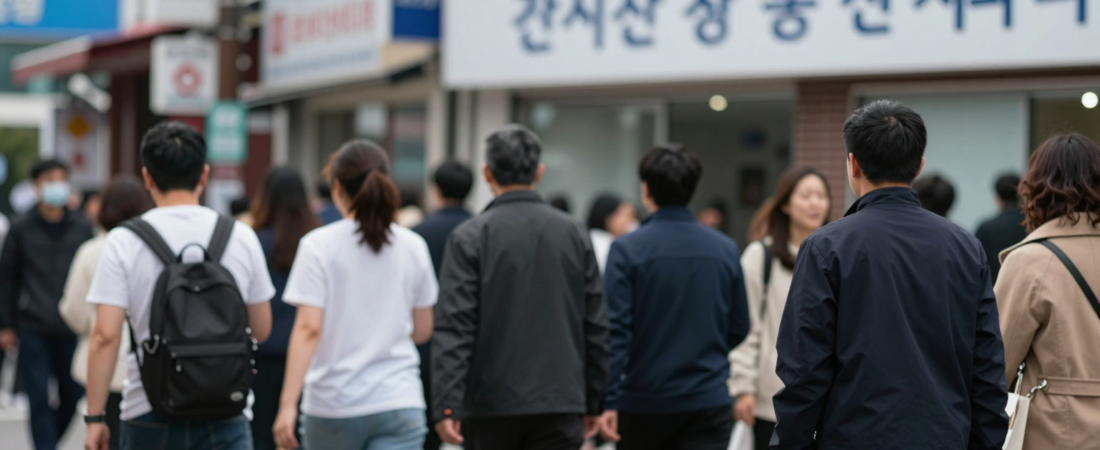
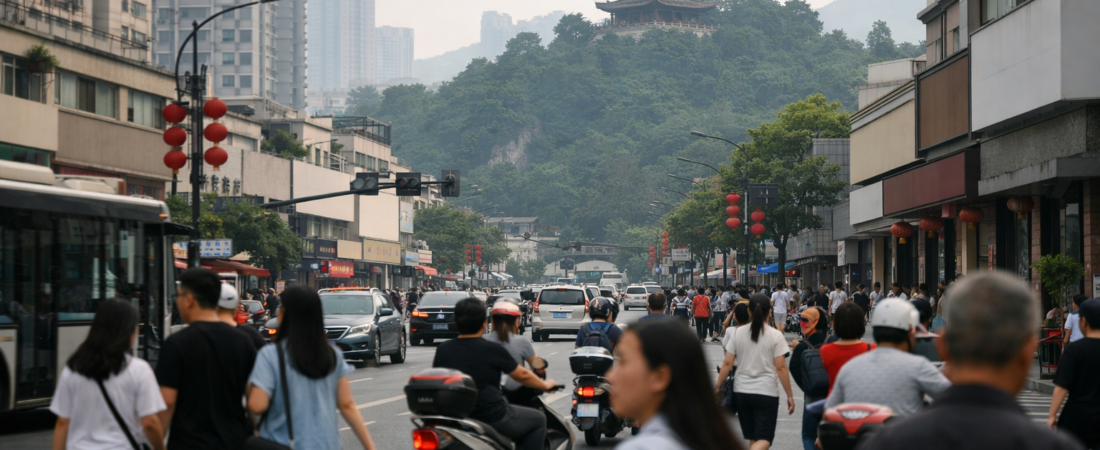
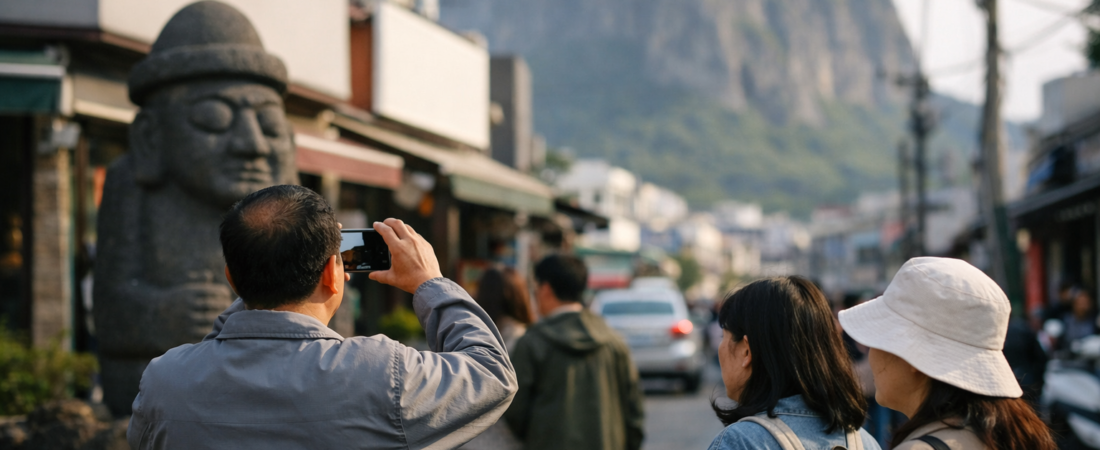
AI-Generated Photorealistic Image — All people, scenes, and details in this image are entirely AI-generated and fictional. Not a real photograph of an actual person or event. 이 이미지는 AI로 생성된 가상 이미지입니다.



Leave a Reply