Table of Contents
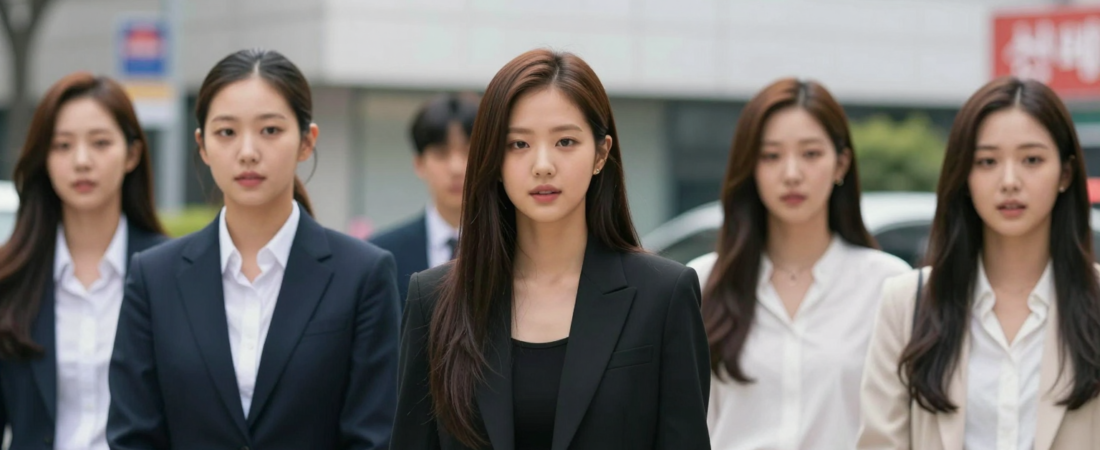
Blackpink has wrapped its 10th-anniversary group activities and now three members are heading into solo comebacks. Jennie, Lisa, and Jisoo have each confirmed new solo releases rolling out between late August and October 2026. This marks the return of internal Blackpink solo competition, and fans are already buzzing about who takes the spotlight first.
You have probably noticed this pattern before with other top girl groups. A big anniversary tour ends, and suddenly every member goes their own way for a few months. Is this a break from Blackpink, or just Blackpink working in a different form?
Blackpink’s Solo Season Begins
Blackpink just closed out a full year of activities celebrating its tenth anniversary since debut. That run included world tour dates, group releases, and countless media appearances. Now, according to reporting from Maeil Business Newspaper, the members are shifting gears toward individual projects.
Three names stand out right now. Jennie, Lisa, and Jisoo have each locked in solo comeback schedules stretching from the end of August through October 2026. That is a tight window, and it sets up a natural side-by-side comparison of their new music.
This is not the first time Blackpink members have gone solo. But the timing here feels different, because it comes right after a major group milestone. Ten years is a long time in K-pop, and this solo run doubles as both a celebration and a reset.
Why Group and Solo Work Coexist in K-pop
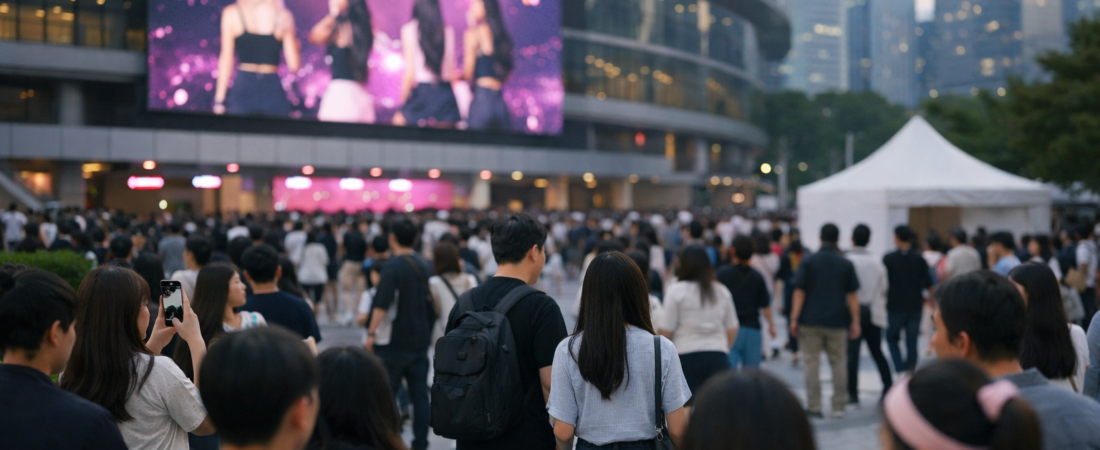
Western readers sometimes ask why K-pop groups split into solo projects instead of just staying together. The answer lies in how Korean entertainment companies build careers. Group promotions build a unified brand, while solo work lets each artist grow an individual identity.
Think of it like a sports team where every player also competes in solo events. The team wins together, but each athlete still needs personal skill and recognition. Blackpink operates the same way, and this dual-track system has become standard across the industry.
YG Entertainment, the agency behind Blackpink, has used this strategy for years. Group comebacks bring scale and spectacle, while solo releases let each member experiment with sound and image. It is a business model, but it is also an artistic outlet, and Blackpink’s solo competition has become genuinely entertaining for fans to watch (think of it as friendly sibling rivalry, except the siblings sell out stadiums).
This pattern is not unique to Blackpink. Groups like BTS, TWICE, and Red Velvet have all followed similar cycles of group-then-solo activity. It reflects a broader K-pop industry rhythm, one built around maximizing both collective and individual earning potential without weakening the group’s core identity.
Jennie, Lisa, and Jisoo: Three Different Paths

Each Blackpink member brings a distinct artistic identity to her solo work. Jennie has built a reputation for sharp, confident hip-hop-influenced tracks paired with high-fashion visuals. Her upcoming release is expected to continue that signature style, based on early promotional signals.
Lisa, meanwhile, has spent recent years expanding into global entertainment beyond music, including acting work overseas. Her solo comeback carries weight because of that international profile. Will her new material lean further into global pop sounds, or return closer to her K-pop roots?
Jisoo has taken a steadier, more understated path, focusing on acting alongside music. Her solo return rounds out this three-way competition with a different energy than her groupmates. Together, these three approaches show why Blackpink’s appeal reaches so many different audiences at once.
It is worth noting that Rosé, the fourth member, is not part of this current solo wave. Her absence from this particular cycle does not diminish Blackpink’s group identity. If anything, it shows how flexible K-pop’s solo structure can be, letting members step in and out based on individual timing.
What This Means for the Future of Blackpink
Blackpink’s return to solo competition raises a fair question. Does more individual success pull a group apart, or does it actually strengthen the bond? History suggests the latter, since solo growth often feeds back into stronger group comebacks later.
There is something genuinely moving about watching four young women build both a shared legacy and separate identities at the same time. That balance is not easy, and it carries real tension. Individual fame can create quiet pressure to outshine bandmates, even inside a group built on friendship.
Yet that same tension often produces something valuable: personal resilience and mutual respect that outlasts any single comeback cycle. Fans watching Jennie, Lisa, and Jisoo compete this fall are not really watching rivals. They are watching four artists who chose, again and again, to come back together after going their own way.
For global fans, this solo season offers a chance to discover new sides of artists you may only know from group performances. It also shows how K-pop groups sustain decade-long careers, something increasingly rare in global pop music. Blackpink’s next chapter, whatever it looks like, will likely blend both individual ambition and group loyalty once again.
What do you think about Blackpink’s approach to balancing solo careers with group unity?
AI-Generated Photorealistic Image — All people, scenes, and details in this image are entirely AI-generated and fictional. Not a real photograph of an actual person or event. 이 이미지는 AI로 생성된 가상 이미지입니다.

Leave a Reply