Table of Contents
The geumjeong-goshi, Korea’s graduation equivalency exam, lets anyone earn an elementary, middle, or high school diploma without attending regular classes. In Daejeon’s most recent round, 88.74% of test takers passed, and the oldest successful high school-level candidate was 88 years old. This exam quietly reshapes lives across every generation, and it deserves a closer look.
What Is the Geumjeong-Goshi
Think of the geumjeong-goshi as Korea’s second chance system. It allows you to prove you have learned everything a regular school would teach, without ever sitting in a traditional classroom.
Local education offices, like the Daejeon Metropolitan Office of Education, run this exam twice a year. Each session covers three levels: elementary, middle, and high school completion.
Why does this system exist at all? Korea’s education history includes decades when many people could not finish school due to poverty, war, or family obligation. The geumjeong-goshi became the bridge back to opportunity for those people.
Passing the geumjeong-goshi grants a diploma with the same legal weight as a regular school certificate. That matters for college admission, job applications, and even military service requirements.
Daejeon’s Recent Results Explained
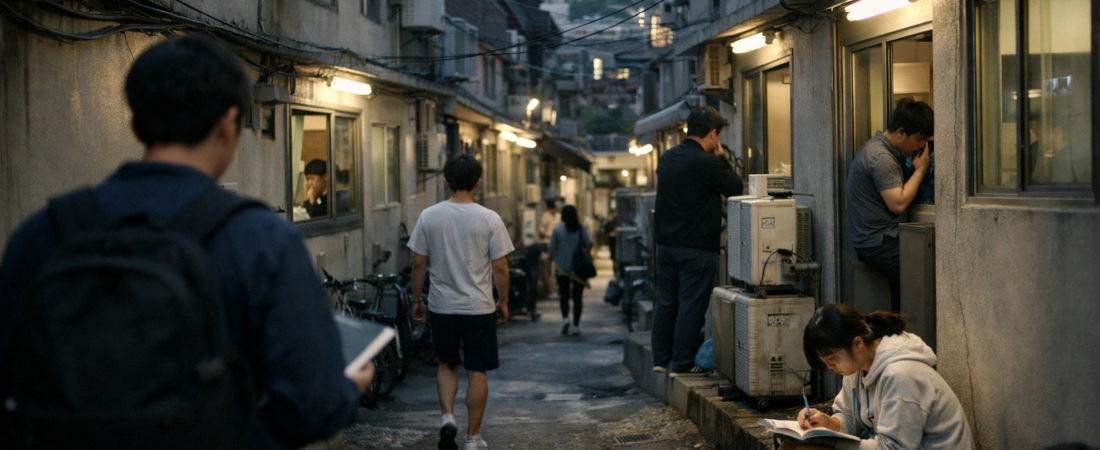
The Daejeon Metropolitan Office of Education recently announced results for its second geumjeong-goshi session of the year. Out of all applicants across the three education levels, 88.74% passed the exam.
That is a remarkably high success rate for a test many assume is intimidating. Does a near-89% pass rate surprise you? It suggests the exam rewards steady preparation more than raw talent.
The most talked-about detail was the age of one successful candidate. An 88-year-old test taker passed the high school-level geumjeong-goshi, decades after most of us would assume that door had closed.
This is not an isolated case in Korea. Elderly test takers appear in almost every regional geumjeong-goshi announcement, and some regions specifically celebrate their oldest graduates. You could call it a lifelong learning tradition Korea takes quietly proud of.
The education office published the full list of passers and detailed statistics through its official website. For readers curious about how Korean regional education authorities structure these announcements, resources like Yonhap News Agency regularly cover these results nationwide.
Who Takes the Geumjeong-Goshi and Why
Who actually sits for the geumjeong-goshi? The candidate pool is far more diverse than you might expect.
Some are teenagers who left mainstream school due to bullying, health issues, or personal choice. Others are adults returning to finish an education interrupted by work, marriage, or family responsibility decades earlier.
Then there are elderly candidates, like Daejeon’s 88-year-old graduate, who grew up in an era when many Korean families could not afford to send every child to school. For them, the geumjeong-goshi is not just a credential; it is closure on an unfinished chapter.
Here is where honesty matters. Korea’s older generation often faced real educational inequality, especially women and rural residents who were pulled from school for farm work or younger siblings.
That gap was not fair, and pretending otherwise would be dishonest. But the same society that once denied many people schooling now builds systems like the geumjeong-goshi specifically to repair that old wound, one diploma at a time.
The geumjeong-goshi does not erase the years someone lost. It does something different: it says those years do not have to define what comes next.
That balance, between acknowledging real loss and building real repair, is what makes this exam more than paperwork. It is a small, steady act of second chances built into Korea’s public system.
How to Prepare and Apply for the Korean Graduation Equivalency Exam
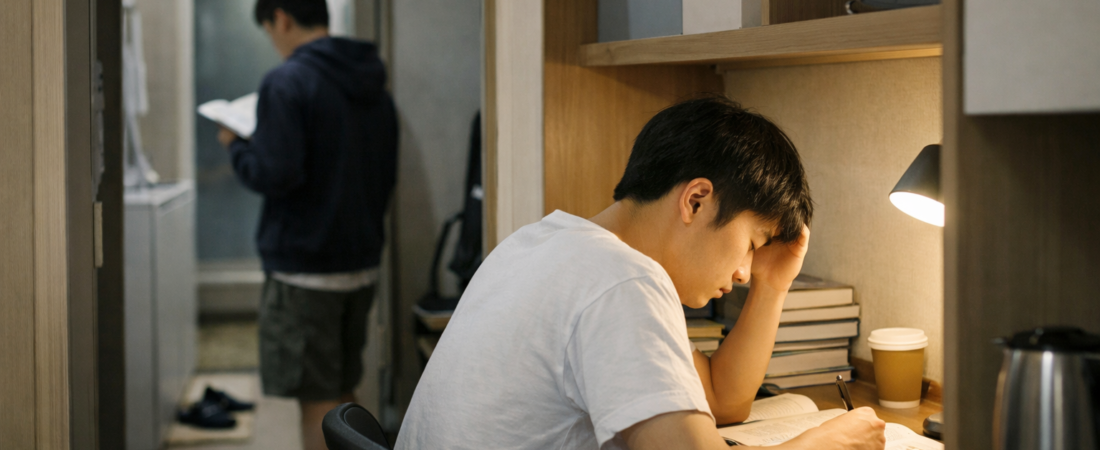
If you are considering the geumjeong-goshi, either for yourself or someone you know, the process is more accessible than it looks. Applications open through your regional metropolitan or provincial education office, usually with two testing rounds per year.
Required subjects depend on the level. High school-level candidates typically face Korean language, math, English, social studies, and science, among others.
Preparation materials are widely available, and many local community centers offer free or low-cost geumjeong-goshi prep classes. Some centers specifically design courses for older adult learners, recognizing that returning to study after 40 or 50 years feels very different from studying as a teenager.
Online platforms also host past geumjeong-goshi exam papers, which candidates use to practice under real time limits. Foreign residents in Korea with sufficient Korean language ability can take the geumjeong-goshi too, though most materials remain Korean-only.
What should you expect on test day? A straightforward multiple-choice format, several subjects across one day, and a passing threshold that rewards consistent review over last-minute cramming.
Local education offices publish exact schedules, required documents, and application windows on their websites each year. Given Daejeon’s 88.74% pass rate this round, thorough but manageable preparation clearly pays off for most applicants.
Beyond the numbers, this exam raises a bigger question about how any society values learning across a full lifetime. Does education only count when it happens on schedule, in childhood, inside a proper classroom?
Korea’s geumjeong-goshi answers that quietly with no. An 88-year-old graduate walking away with a high school diploma is proof that a life’s timeline for learning can bend without breaking.
There is something worth sitting with here. A system built to correct old inequality does not undo the years already lost, and it should not pretend to.
What it can do is keep one door open, permanently, for anyone ready to walk through it late. That is not a perfect fix for the past, but it is a real one for the present, and that distinction matters.
Looking Ahead
Korea’s geumjeong-goshi will likely keep serving two very different groups: young people seeking flexible paths and older citizens finishing what circumstance once interrupted. As Korea’s population ages, expect more headlines about graduates in their seventies, eighties, and beyond.
What does this tell global readers about lifelong learning where you live? Does your own country offer a comparable second-chance path to formal education?
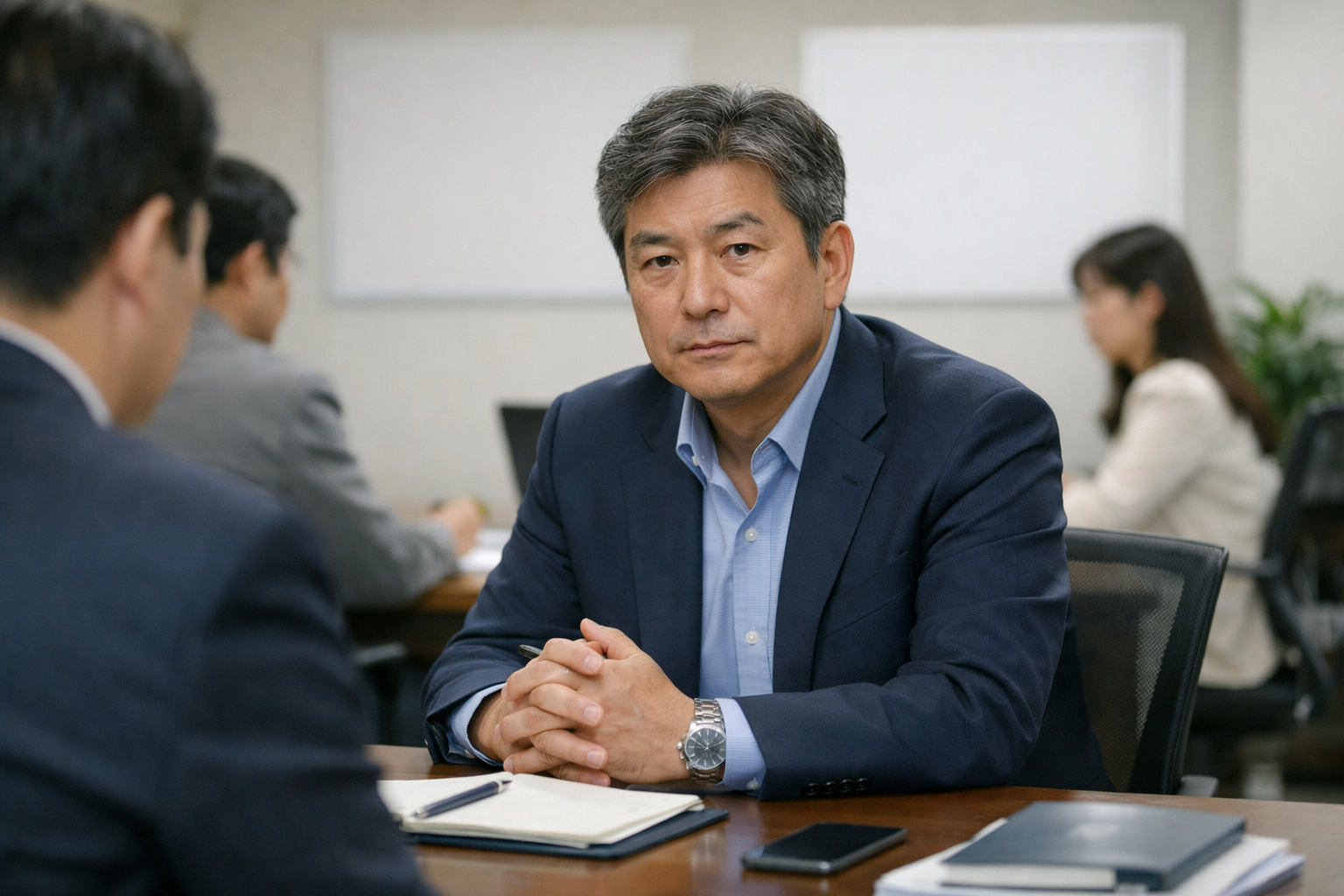
AI-Generated Photorealistic Image — All people, scenes, and details in this image are entirely AI-generated and fictional. Not a real photograph of an actual person or event. 이 이미지는 AI로 생성된 가상 이미지입니다.
Leave a Reply