Table of Contents
KT deployed a dedicated 5G network to monitor massive crowds at the Seoul International Fireworks Festival, using real-time CCTV feeds to track congestion and respond to emergencies. The telecom giant says this model shows how communication infrastructure can protect public safety at large gatherings.
Have you ever stood in a crowd so dense you couldn’t move your arms? That’s the reality at Korea’s biggest fireworks festival every year, when over a million people pack into one small stretch of riverside park.
KT decided that watching from the sidelines wasn’t enough. Instead, the company built a temporary, high-speed system dedicated entirely to crowd safety.
How KT Uses 5G Networks to Manage Festival Crowds
KT set up a dedicated 5G network just for the fireworks festival grounds. This meant safety cameras and monitoring equipment didn’t have to compete with tens of thousands of phones for signal strength.
Think about that for a second. When everyone in a crowd pulls out their phone at once to film fireworks, regular networks can slow to a crawl.
KT’s separate system avoided that bottleneck entirely. The dedicated network let safety teams stream CCTV footage in real time, without lag or dropped connections, right when it mattered most.
This approach reflects a growing trend among Korean telecom companies. Rather than treating network capacity as an afterthought, KT built safety infrastructure directly into its event planning.
That’s a meaningful shift, and it’s one worth watching as similar festivals return year after year.
Why Crowd Safety Technology Matters in Korea
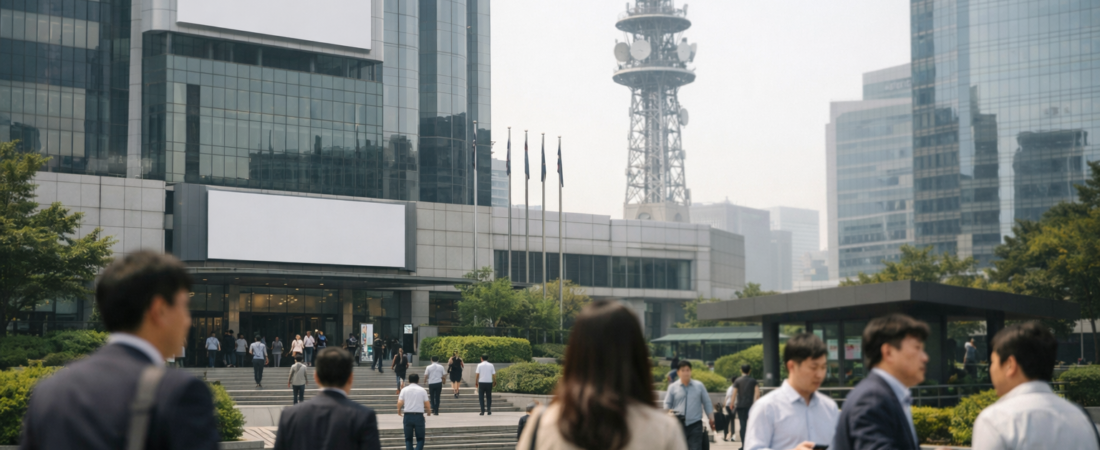
Korea has learned hard lessons about crowd safety in recent years. Large public gatherings can turn dangerous within minutes if congestion isn’t managed properly.
So why does this matter so much for a country known for its efficient public spaces? Population density plays a huge role.
Seoul packs nearly ten million people into a relatively compact urban footprint. When a festival draws over a million visitors to one riverside area, the margin for error shrinks fast.
Real-time monitoring gives event organizers something they didn’t always have: the ability to see problems forming before they become tragedies. Officials can redirect foot traffic, deploy staff, or even pause events if a bottleneck grows too severe.
KT’s system doesn’t just watch, it acts as an early warning tool for the people managing crowd flow on the ground.
The Technology Behind KT’s Real-Time Monitoring
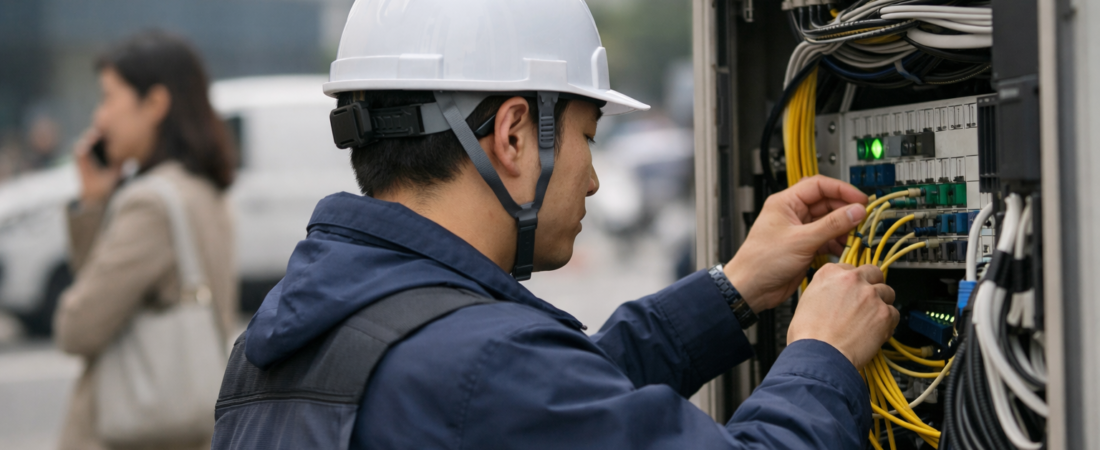
At the core of this system sits a network built specifically for high-volume video transmission. CCTV footage from multiple points around the festival grounds streamed continuously to a central control center.
Staff there could view live conditions across the entire venue at once. Why does the dedicated network matter so much here?
Standard public networks simply weren’t designed to carry this volume of continuous, high-definition video alongside a million people’s personal data usage. KT’s answer was to separate the two entirely, giving safety operations their own lane on the digital highway.
You could compare it to giving ambulances a dedicated traffic lane during rush hour. The regular cars, or in this case, regular phone users, keep moving in their own lanes, while emergency response gets an unblocked path.
Korean festival organizers have long searched for tech solutions like this one (turns out the answer was hiding in the same industry that brings you your morning subway wifi). For more background on the event itself, readers can check coverage from Yonhap News Agency.
What This Means for Future Large-Scale Events in Korea
KT’s approach at the fireworks festival offers a template other event organizers can study. Concerts, sporting events, and national holidays like Chuseok all draw massive crowds across Korea throughout the year.
If dedicated 5G monitoring works for one of the country’s largest annual gatherings, could it become standard practice elsewhere? That question deserves serious consideration from city planners and telecom companies alike.
There’s something worth sitting with here. Technology alone can’t guarantee anyone’s safety, no camera system replaces careful planning, trained staff, and honest communication between organizers and the public.
But when we build tools that let people see trouble coming before it arrives, we’re choosing care over convenience. The same crowds that create Korea’s famous festival energy, that shared joy of watching fireworks light up a river together, also carry real risk when density outpaces preparation.
Progress here isn’t about eliminating risk entirely. It’s about building systems, both human and technological, that treat public safety as something worth investing in before disaster strikes, not after.
Large-scale events will keep drawing crowds across Korea, and demand for reliable crowd management will only grow. KT’s festival network suggests one direction this technology might take, but the real test comes with repetition and refinement over time.
What do you think about telecom companies taking on public safety roles at events like this?
AI-Generated Photorealistic Image — All people, scenes, and details in this image are entirely AI-generated and fictional. Not a real photograph of an actual person or event. 이 이미지는 AI로 생성된 가상 이미지입니다.
Leave a Reply