A Neighborhood Meeting That Crossed Borders
Ulsan Dong-gu hosted a joint town hall for Korean and foreign residents on September 6. The event brought neighbors together at Cheongnyeon Stage On, a youth culture and arts space in Ilsan-dong. Around dozens of local residents, both Korean-born and international, joined this community gathering to build stronger ties.
Why does a small neighborhood meeting in Ulsan Dong-gu matter beyond its own borders? Because it shows something simple but powerful. Communities grow stronger when people actually sit down and talk to each other.
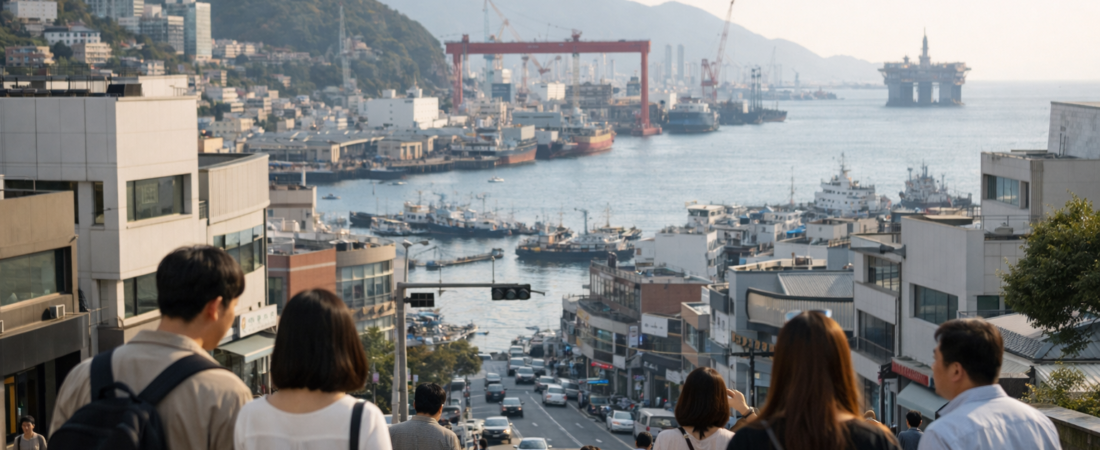
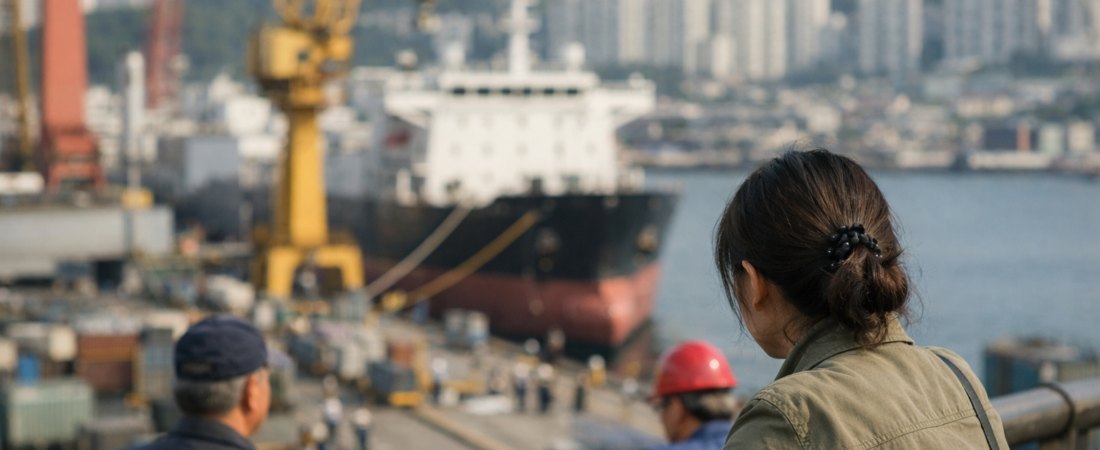
Ulsan Dong-gu is not a place most global readers know well. It sits on Korea’s southeastern coast, historically tied to shipbuilding and heavy industry. That industrial history explains why so many foreign workers now call this district home.
Why Ulsan Dong-gu Chose This Approach
Local governments across Korea have long used the “banhoe,” or neighborhood meeting, as a tool for civic connection. Traditionally, these gatherings brought Korean residents together to discuss shared concerns. Ulsan Dong-gu decided to reshape that tradition for a more diverse population.
Think about what that shift represents. Instead of keeping foreign residents on the outside, the district invited them straight into the center of civic life.
The venue itself carries meaning too. Cheongnyeon Stage On exists to support young artists and creative projects in Ilsan-dong. Choosing a youth-focused cultural space signals that Ulsan Dong-gu wants younger, more diverse residents shaping its future.
Isn’t that a smart move? Younger foreign residents, workers, and students often feel disconnected from local government processes. Meeting them where they already gather makes participation feel natural, not forced.
Inside the Gathering: Communication Over Formality
The joint meeting focused less on paperwork and more on conversation. Organizers designed the event so foreign and Korean residents could talk directly, share concerns, and build relationships. That is the real goal behind any “hwahap,” or harmony-building, initiative in Korean civic culture.
You might wonder what topics come up in a meeting like this. Language barriers, workplace conditions, and daily life adjustments often top the list for foreign residents in industrial cities.
Housing, healthcare access, and simple things like grocery shopping can also feel overwhelming without local guidance. A neighborhood meeting gives residents a low-pressure space to raise these issues. According to Yonhap News Agency, the district framed the event around expanding exchange and strengthening community consciousness among all residents.
Ulsan has hosted foreign workers for decades, especially in shipbuilding and manufacturing sectors. That long history means integration efforts here carry real weight. This is not a symbolic gesture; it is an ongoing relationship between a city and its changing population.
Korean neighborhood meetings can sometimes feel like a friendly obligation — showing up because your building’s landlord asked twice. Add international residents into that mix, and suddenly the small talk needs a translator, which honestly makes for a much more interesting evening.
What This Means for Korea’s Multicultural Future
Korea’s population is changing fast. Foreign residents now make up a growing share of local communities, especially in industrial regions like Ulsan Dong-gu. Local governments increasingly face a choice: adapt civic structures or risk leaving new residents isolated.
Does one neighborhood meeting solve deeper integration challenges? Of course not. But it signals a district willing to experiment with inclusion rather than ignore the issue.
Community building always involves real tension alongside real hope. Bringing Korean and foreign residents together can genuinely ease loneliness and build trust across cultural lines. At the same time, language gaps, differing expectations, and unequal access to information do not disappear after a single event, and pretending otherwise would be dishonest.
What matters is the direction, not perfection. A district trying to create shared space, even imperfectly, offers something better than silence or separation. Small efforts like this one in Ulsan Dong-gu remind us that community is built meeting by meeting, not through grand policy alone.
Local officials in Ulsan Dong-gu appear to understand this. Rather than waiting for a national policy shift, they created a local, human-scale response. That kind of grassroots initiative often shapes national conversations more than people expect.
Cities across Korea are watching how industrial regions like Ulsan Dong-gu handle demographic change. If this model works, other districts with growing foreign populations may adopt similar gatherings. What do you think about Korea’s approach to building community across cultural lines through events like this one in Ulsan Dong-gu?
AI-Generated Photorealistic Image — All people, scenes, and details in this image are entirely AI-generated and fictional. Not a real photograph of an actual person or event. 이 이미지는 AI로 생성된 가상 이미지입니다.
Leave a Reply