
A New Film Asks What Revenge Really Means
A new Korean film called Gyeongju Travelogue shows four women confronting a killer, mixing comedy and thriller to explore revenge. The film does not give a clean answer about justice. Instead, it asks whether revenge is really about punishment, or about something deeper.
This question matters more than you might think. Revenge shows up in Korean dramas, films, and news headlines constantly. But why does this ancient theme still grip audiences in a modern country with courts, police, and prisons?
Table of Contents
The Story Behind Gyeongju Travelogue

Gyeongju Travelogue follows four mothers and daughters who end up face to face with a murderer. Each woman carries her own version of anger, grief, and doubt. The film’s tone swings between dark comedy and tense thriller, which is an unusual combination for a story about revenge.
Why choose comedy for something this heavy? Because real anger rarely stays pure. It gets tangled up with awkwardness, hesitation, and even absurd moments, and this film seems to know that.
The four women do not agree on what they want. Some seek punishment. Others just want answers. This “same bed, different dreams” setup, as Korean critics describe it, drives much of the story’s tension.
You start to notice how differently people process the same trauma. One daughter may want the killer to suffer. Another may simply want to understand why it happened at all, and that gap between them says a lot about how grief actually works.
Why Revenge Still Fascinates a Society Built on Law

Revenge is a theme that crosses cultures and centuries. Even after societies built courts and legal codes, the desire for personal revenge never disappeared. Why does that happen?
Part of the answer lies in trust, or the lack of it. Korea has a well-known saying: money determines guilt, poverty determines punishment. This phrase reflects a real public frustration with a justice system that sometimes seems to favor wealth and power over fairness.
When people feel the courts cannot deliver true justice, revenge becomes an emotional shortcut. It promises something the legal system sometimes fails to provide: a direct, personal sense of closure. This is not unique to Korea, either — the same instinct fuels revenge films worldwide, from Hollywood thrillers to European crime dramas.
Still, stories about revenge are rarely simple celebrations of getting even. The most compelling ones, like Gyeongju Travelogue, complicate the fantasy. They ask what happens after the act of revenge is done, and whether it actually heals anything at all.
For readers curious about how Korean cinema has tackled crime and justice themes over the decades, outlets like Kyunghyang Shinmun offer useful cultural context. Korean film has a long history of using genre storytelling to quietly critique institutions. This is one more entry in that tradition, wrapped in an unexpectedly comic package.
From Anger to Mourning: The Deeper Message
The most striking idea in this film is that revenge might not be the end point at all. It might just be the beginning of something else: mourning. The messy, uncomfortable journey toward confronting a killer becomes a way for these women to finally start grieving.
Think about it this way. Anger can feel like action, like movement, like doing something instead of just sitting with pain. But underneath that anger is often grief that has nowhere else to go.
This idea deserves honest reflection, not a simple moral lesson. It is true that a justice system losing public trust is a real and serious problem, one that leaves victims feeling abandoned and unseen. But it is also true that revenge, even when understandable, rarely delivers the peace people hope for, and pinning all our hope on punishment alone can leave deeper wounds untouched.
What gives this story its quiet hope is not the revenge itself, but what comes after it. The women in Gyeongju Travelogue do not find neat resolution through punishment alone. They find something more human: the chance to finally cry, to speak honestly, to begin healing together, even in their disagreement.
That is worth noticing. Real repair rarely comes from a single dramatic act, whether it is a court verdict or an act of revenge. It comes slowly, through shared honesty between people who are willing to sit with each other’s pain, however uneven that process looks.
So where does this leave us? Perhaps revenge fascinates us not because it solves anything, but because it forces us to finally face what we have been avoiding. Korean storytelling keeps returning to this theme because it understands something universal about human grief.
As Korean cinema continues exploring justice, trust, and healing, expect more stories like this one to blend genres in surprising ways. What do you think — is revenge ever truly about justice, or is it always secretly about grief?
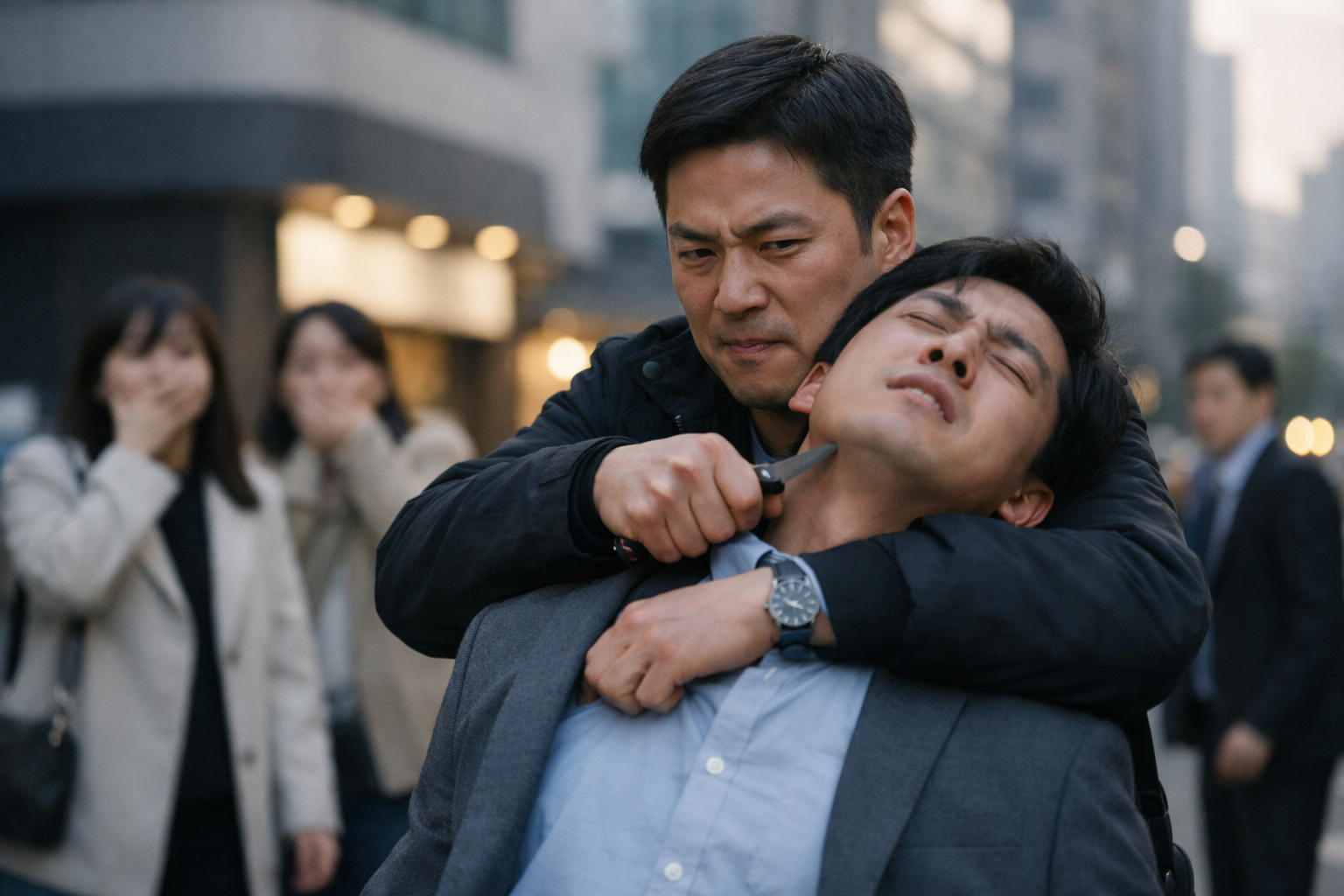
AI-Generated Photorealistic Image — All people, scenes, and details in this image are entirely AI-generated and fictional. Not a real photograph of an actual person or event. 이 이미지는 AI로 생성된 가상 이미지입니다.



Leave a Reply