
What Is No-Show Insurance and Why Restaurant Owners Need It
Shinhan Financial Group now offers Korea’s first no-show fraud protection insurance for restaurant owners. The policy pays up to 3 million won based on police investigation results. It targets a growing problem: customers who book delivery orders, then simply never pick them up.
Have you ever wondered how small restaurant owners survive when customers ghost them? No-show fraud has quietly drained profits from Korean eateries for years. Shinhan Financial recognized this gap and decided to act.
This new coverage arrives through Shinhan’s own delivery platform, Ttaenggyeoyo. Around 150,000 franchise partners on the platform receive this insurance completely free of charge. That is a significant number of small business owners suddenly gaining a financial safety net.
How Shinhan Financial’s New Coverage Works
The mechanics are fairly simple. A restaurant owner prepares food for a delivery order, but the customer never shows up or cancels through fraudulent means. If police confirm the case as fraud, Shinhan Financial pays compensation up to 3 million won.
Why does the payout depend on police investigation? This structure prevents abuse of the system. Insurance fraud remains a real risk in any compensation scheme, so tying payment to verified police findings protects both the insurer and honest business owners.
Ttaenggyeoyo, the delivery app behind this partnership, is Shinhan Financial’s own platform. This makes the insurance rollout smoother, since Shinhan already holds direct data and relationships with these 150,000 merchants. No extra paperwork, no separate application process — the coverage simply activates for existing app users.
Small business owners in Korea often operate on razor-thin margins. A single large no-show order, especially for a big catering-style meal, can wipe out a day’s profit instantly. This insurance directly targets that vulnerability.
Why Financial Companies Are Entering Small Business Protection
Shinhan Financial’s move signals something bigger than one insurance product. Korean financial institutions increasingly see themselves as protectors of small merchants, not just lenders and account managers. This reflects a broader shift in how banks define their social role.
Delivery culture exploded in Korea over the past decade. Smartphone ordering, fast logistics, and dense urban living all fueled this boom (imagine ordering fried chicken at midnight and having it arrive before the show ends — that convenience built an entire economy). But convenience for customers sometimes creates new risks for the businesses serving them.
No-show fraud is one of those risks. It exploits the trust required for a functioning delivery system. Shinhan Financial’s insurance product treats this trust gap as a solvable financial problem, not just a customer service headache.
You might ask why other major banks haven’t offered something similar sooner. Building an insurance product tied directly to a delivery platform requires owning both financial infrastructure and app-based merchant data. Shinhan Financial happens to hold both, giving it a natural advantage in launching this kind of protection first.
What This Means for Korea’s Small Business Owners Long-Term
Small restaurant owners across Korea face constant financial pressure. Rising ingredient costs, rent, and delivery platform fees already squeeze margins tight. No-show fraud adds one more unpredictable burden on top of an already difficult business model.
It would be easy to romanticize Korea’s small business resilience here. Restaurant owners are famous for working long hours, absorbing losses quietly, and pushing forward without complaint. That same quiet endurance, though, often means real financial struggles go unspoken until a business simply closes its doors one day.
Shinhan Financial’s insurance offers a small but meaningful counterweight to that silent struggle. It does not solve every challenge small business owners face, and 3 million won will not cover every type of loss. But it represents a concrete, structural attempt to share risk instead of leaving individual owners to absorb it alone.
This kind of institutional support matters because individual toughness has limits. A single merchant cannot investigate fraud, gather evidence, or negotiate with delivery platforms alone while also running a busy kitchen. When a major financial group like Shinhan Financial steps in with real infrastructure, it turns isolated hardship into a shared, manageable problem.
For more coverage on financial developments shaping Korea’s small business sector, see Maeil Business Newspaper. As delivery culture keeps growing across Korea, expect other financial groups to watch Shinhan Financial’s experiment closely.
Will competitors follow with similar protections for small merchants? What do you think about financial companies stepping into roles once reserved for government support programs?
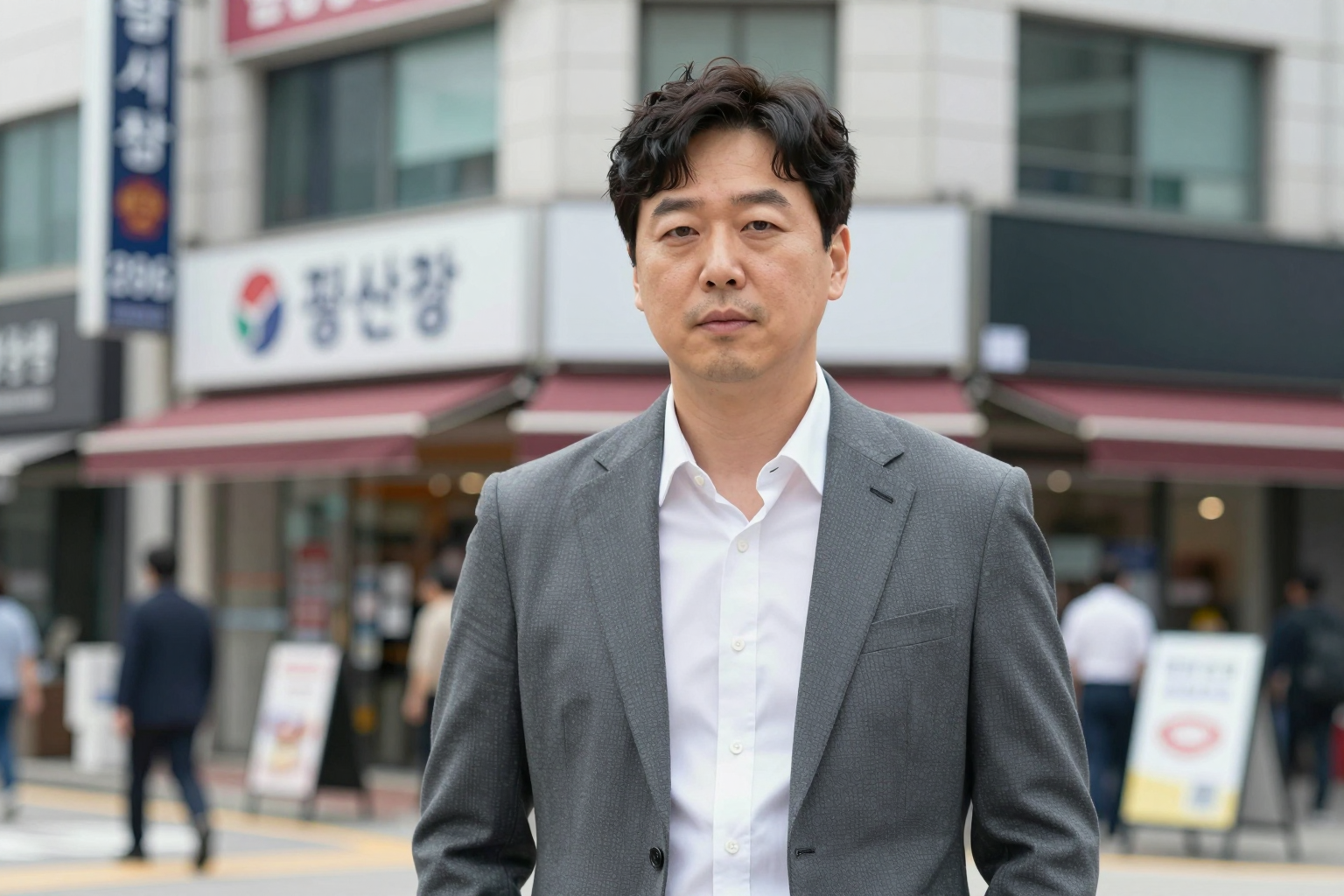
AI-Generated Photorealistic Image — All people, scenes, and details in this image are entirely AI-generated and fictional. Not a real photograph of an actual person or event. 이 이미지는 AI로 생성된 가상 이미지입니다.



Leave a Reply