Table of Contents
President Lee Jae-myung met Motion Picture Association chairman Charles Rivkin in France on September 7. Lee promised strong government support for filmmaking in Korea, calling production cost concerns a thing of the past. The meeting took place at the Lumière Summit near Nice, during Lee’s state visit to France.
Lee Jae-myung Meets Hollywood’s Top Voice
Picture this: a French hillside town, global film executives, and the president of South Korea making his pitch. That’s exactly what happened at Saint-Paul-de-Vence, near Nice, on the final day of the Lumière Summit. Lee Jae-myung sat down with Charles Rivkin, head of the Motion Picture Association, in a meeting packed with industry heavyweights.
Representatives from Netflix, Disney, Sony, and NBCUniversal joined the discussion. CJ Group vice chair Miky Lee also attended, bridging Korea’s own entertainment giants with Hollywood’s biggest names. Why does a room like this matter so much for Korea?
Because it signals something bigger than one meeting. Lee Jae-myung used this moment to explain, in his own words, why Korea has become such a standout in global culture. This wasn’t a casual chat — it was a pitch, backed by policy promises, aimed straight at the people who decide where movies and shows get made.
Why Korea’s Democracy Story Matters to Filmmakers
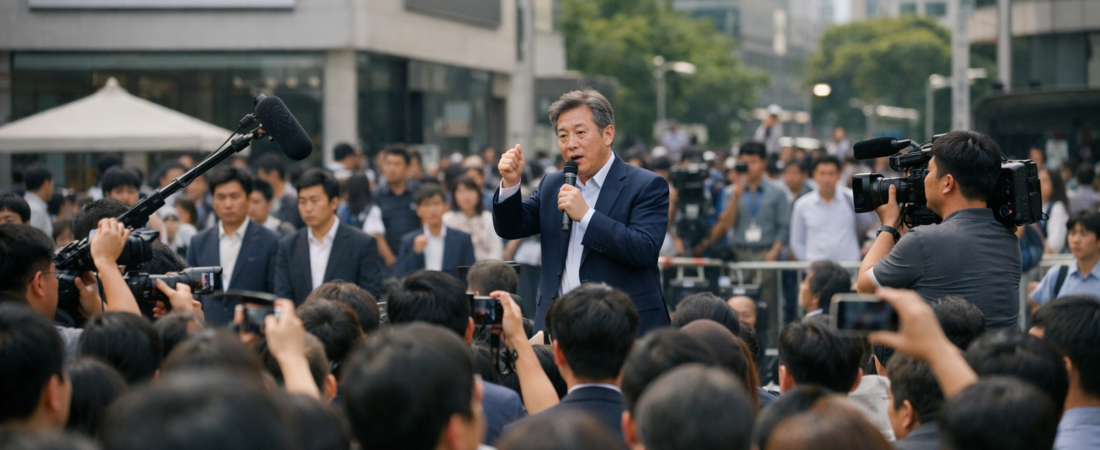
Lee Jae-myung didn’t start with tax breaks or studio space. He started with democracy. “Korea’s democracy has developed faster than almost anywhere in the world,” he told the group, according to presidential spokesperson Kang Yu-jung.
No other country, he argued, achieved democratization and economic growth this quickly, side by side. Is that really connected to filmmaking? Lee thinks so, and the argument holds up.
Free expression, open institutions, and a competitive media market all feed creative industries. Countries with tighter controls on speech tend to produce less daring content. Korea’s rapid democratic transition, paired with economic growth, created space for storytellers to take risks — the same risks that made films and shows from Korea globally competitive in the first place.
Lee also pointed to something less expected: Korean hand skill. He mentioned archery, shooting, and golf as examples of national dexterity, suggesting this same precision carries into filmmaking’s technical craft. It’s an unusual argument, sure, but it fits a broader pattern — Lee Jae-myung selling Korea’s culture as more than just good stories, but as genuinely well-made products.
Government Support and the Business of Making Movies
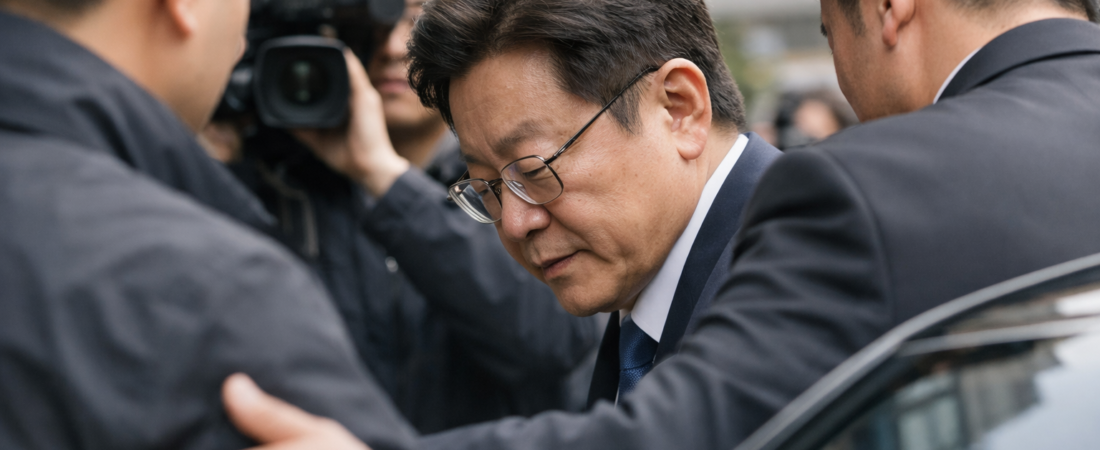
Here’s the part that matters most for industry executives: money. Lee Jae-myung promised that the government would “actively support” productions made in Korea. He went further, stating that production budget shortages “will not be a problem in Korea.”
That’s a bold claim. Production costs have ballooned everywhere, and studios constantly weigh where a dollar stretches furthest.
Rivkin’s response suggested the pitch landed well. He called Korea a “core partner” that is becoming a creative powerhouse through smart policy and openness. That’s not just polite diplomatic language — the Motion Picture Association represents the biggest studios in the world, and Rivkin’s comments carry weight in boardrooms far beyond Korea.
You might wonder why Hollywood needs Korea at all, given its own resources. The answer lies in cost efficiency, technical talent, and proven global demand for Korean-made content. You’ve likely watched a Korean drama or film that reshaped what you expected from international storytelling — and that track record is exactly what draws studios to the table.
What This Means for Korea’s Cultural Future
Lee Jae-myung’s message in France fits into a longer pattern of Korean cultural diplomacy. Government backing for entertainment isn’t new — it stretches back decades, through film quotas, funding programs, and export support. But pairing that history with direct outreach to Netflix, Disney, and Sony executives marks a more assertive phase.
For readers outside Korea, this raises a fair question: does government involvement in creative industries help or limit artistic freedom? It’s worth watching closely, and outlets like SBS News will likely track how these promises translate into actual policy.
Government support can open doors, funding infrastructure and lowering financial risk for ambitious projects. That same support, though, can quietly shape which stories get greenlit and which get overlooked. The healthiest path forward keeps public investment focused on capacity — studios, training, tax incentives — rather than content itself, leaving creative choices in the hands of storytellers.
Korea’s recent track record offers some reassurance here. Films and dramas that broke through globally often carried sharp social criticism, not government talking points, suggesting real creative independence has coexisted with state support so far.
Lee Jae-myung’s promise in France signals where Korea wants to go next: more production, more investment, more global partnerships. Whether that promise turns into real funding and real freedom for filmmakers remains the question worth watching. What do you think — can government support and creative independence really grow side by side in Korea’s film industry?
AI-Generated Photorealistic Image — All people, scenes, and details in this image are entirely AI-generated and fictional. Not a real photograph of an actual person or event. 이 이미지는 AI로 생성된 가상 이미지입니다.

Leave a Reply