Table of Contents
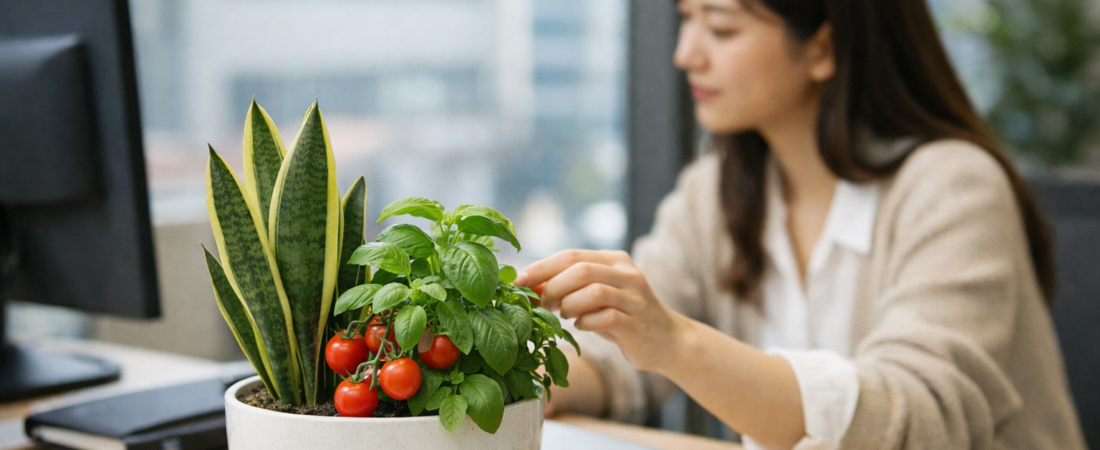
A growing number of young South Koreans are treating houseplants like family members, giving them names and even sending them to “plant hospitals” when they get sick. This is the world of the companion plant, or ban-ryeo-sikmul, a term describing plants raised with the same emotional investment once reserved for pets. Some owners take the idea even further, bringing stuffed dolls on vacation as if they were traveling companions.
Sound unusual? Maybe at first glance.
But once you understand who is doing this and why, the trend starts to make a lot of sense. Let’s dig into what’s really going on here.
What Is a Companion Plant, and Why It Matters
The term companion plant describes something more than a decorative houseplant sitting on a windowsill. It refers to a plant that has been given a name, a personality, and a place in someone’s emotional life. Owners talk to their companion plant, celebrate its growth, and worry when its leaves start to droop.
This shift reflects a broader change in how people define family. In traditional Korean culture, family meant blood relatives living under one roof, often across three generations. Today, that definition is stretching to include pets, plants, and even inanimate objects that provide comfort.
Why does a plant qualify as a companion? Because caring for something living creates responsibility, and responsibility often creates connection. A university student quoted in the original report described her plants as “not just plants, but family members,” a phrase that captures the emotional weight this trend carries for many young adults.
Meet the Generation Behind the Companion Plant Boom
This is not a random cultural quirk. It’s concentrated heavily among people in their twenties and thirties, a demographic often called the 2030 generation in Korean media. Understanding why requires looking at how this generation actually lives.
Single-person households have surged across South Korea over the past decade. Many young professionals and students live alone in small apartments, often far from hometown family and childhood friends. A companion plant fits neatly into that lifestyle: it needs less space than a pet, less commitment than a relationship, and still offers something to nurture.
Isn’t it easier, in some ways, to keep a plant alive than to keep a friendship alive across a busy Seoul work schedule? Many young Koreans clearly think so. The companion plant becomes a low-stakes way to practice care and receive a quiet sense of purpose, without the demands of managing another person’s needs.
Economic pressure plays a role too. Housing costs in cities like Seoul remain high, and many young adults delay marriage or children partly for financial reasons. A companion plant costs little, asks for little, and gives something back anyway.
From Plant Hospitals to Doll Vacations: The New Care Economy
Businesses have noticed this emotional shift, and they’re building services around it. Plant hospitals now exist in several Korean cities, offering diagnosis and treatment for sick or struggling houseplants, much like a veterinary clinic does for animals. Some owners drop off their companion plant for a few days of recovery, then pick it up looking healthier.
Doll travel services represent an even more striking example. Some companies now offer photo packages where a customer’s stuffed doll gets taken on a trip, photographed at tourist sites, and returned with a printed travel album. It sounds playful, and it is (yes, someone really does pack the doll’s tiny suitcase).
But underneath the playfulness sits something more serious. These services let people project emotional attachment onto objects, extending real feelings of love and worry toward things that cannot love back in return. Retailers selling plant food, decorative pots, and doll accessories have expanded their offerings to match this demand, according to Yonhap News Agency.
This growing market tells its own story about consumer behavior in Korea today. Where older generations spent discretionary income on dining out or group activities, many younger Koreans now spend on solitary forms of care and companionship. That is a meaningful shift in how an entire generation allocates both money and emotional energy.
What This Trend Reveals About Modern Loneliness
Experts cited in the original report point to two forces driving this companion plant movement: rising single-person households and a deep need for emotional comfort. Both explanations hold real weight. But together, they point to something worth sitting with honestly.
Modern urban life can be isolating, even in a country as densely populated and digitally connected as South Korea. Caring for a companion plant offers real comfort, and that comfort is not fake or foolish. Yet the same impulse that leads someone to name a plant can also mask a deeper hunger for human connection that a plant, however loved, simply cannot fully satisfy.
There is hope here too, and it’s worth naming clearly. Community gardening groups, plant-swap meetups, and shared café spaces built around plant care are popping up in cities like Seoul, turning a private habit into a shared one. Young people who start by talking to a single fern on their desk sometimes end up talking to the stranger at the plant shop counter, and that small exchange can grow into something bigger than either person expected.
So maybe the companion plant is not a replacement for human relationships after all. Maybe it’s a bridge — a low-pressure starting point for people relearning how to care for something, and eventually, for someone. That reframes the whole trend from a symptom of loneliness into a small, hopeful first step.
This pattern will likely keep spreading as single-person households continue to grow across Korea and beyond. Companion plants, doll travel albums, and plant hospitals may look unusual from the outside, but they answer a very human question: who do we turn to when we live alone? What do you think — is a companion plant a meaningful substitute for connection, or just a gentle first step toward it?
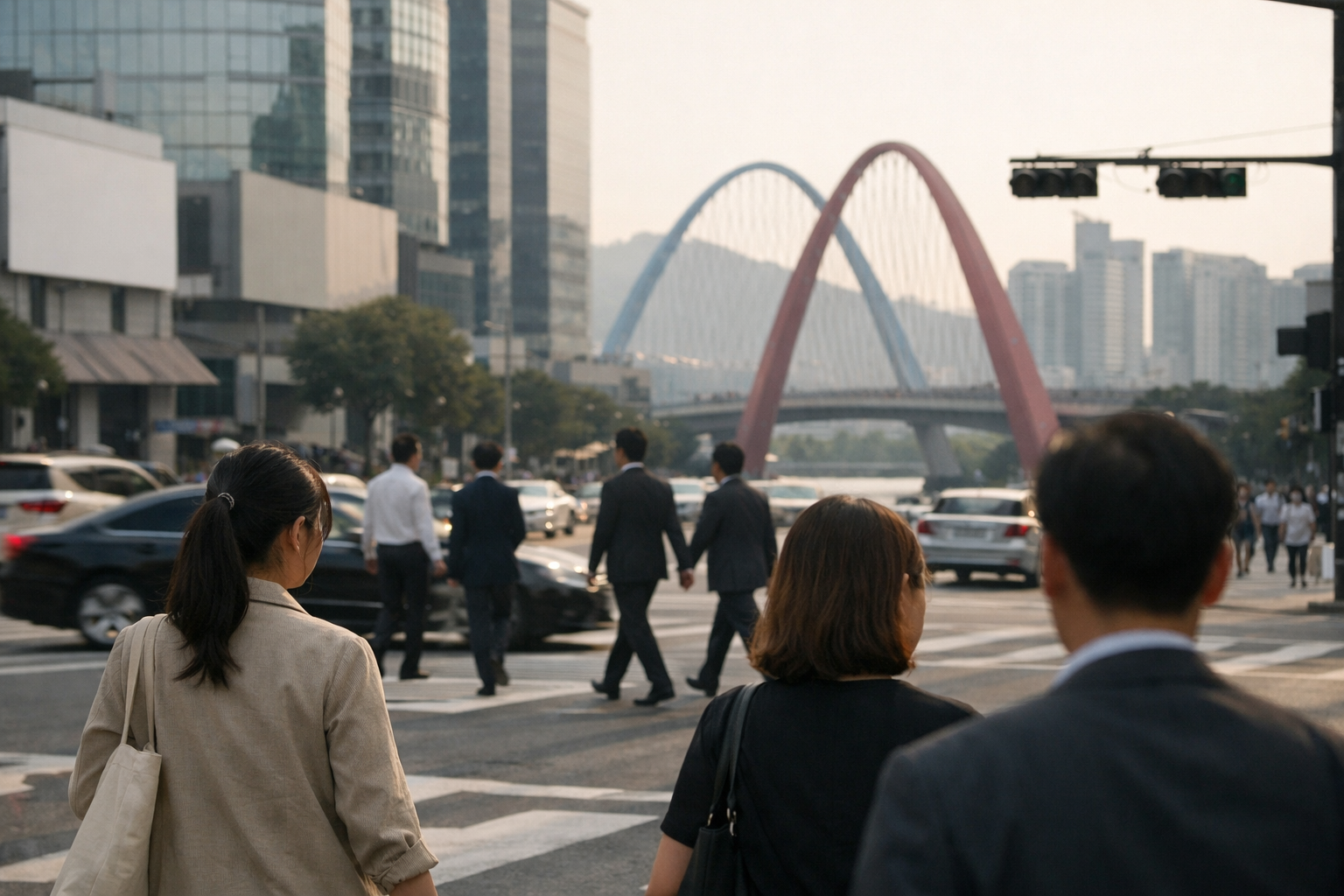
AI-Generated Photorealistic Image — All people, scenes, and details in this image are entirely AI-generated and fictional. Not a real photograph of an actual person or event. 이 이미지는 AI로 생성된 가상 이미지입니다.
Leave a Reply