Table of Contents
The NewJeans contract dispute has exposed a deeper problem: no one agrees on who protects a minor idol’s rights once the cameras start rolling. Debut ages are falling fast across the K-pop industry, and NewJeans themselves started as teenagers under intense public scrutiny. The legal fight over blame has overshadowed a more urgent question about child performers.
You have probably watched a K-pop group debut and thought, wow, they look so young. That reaction is not just your imagination.
Korean entertainment reporting shows idol debut ages have been quietly shrinking for years, and the NewJeans situation puts a spotlight on what that trend actually costs these young performers.
The Question Behind the NewJeans Contract Fight
The NewJeans case started as a dispute over broken contracts and company loyalty. Members and their agency traded accusations about who failed whom. But a Korean entertainment reporter recently asked a sharper question: while adults argue over paperwork, who is actually making sure a 15-year-old idol gets enough sleep, fair pay, and a say in her own career?
That question rarely makes headlines. Contract disputes generate drama, lawsuits, and viral clips.
Protecting a minor’s working conditions generates far less attention, even though it matters more. NewJeans became famous partly because its members debuted so young, which made their polish feel almost impossible.
Isn’t it worth asking what that polish actually required behind the scenes?
Why Debut Ages Keep Dropping
The numbers tell a clear story. According to a full survey by entertainment outlet Tenasia, the average debut age for Korean idols was 18.2 in 2019. By 2025, that number had dropped to 17.2, the lowest on record.
This is not a small shift. It reflects a real industry strategy, not an accident.
A newer group, A2O Lite, illustrates the trend starkly. Member Ajjing is just 13 years old this year, and the group’s average age sits at 14.9. Fans reacted with a mix of shock and admiration, calling the members “robot-like” in their precision.
That phrase should give us pause. Calling a young teenager’s performance “robotic” might be meant as a compliment, but it also hints at something uncomfortable: a level of discipline and polish that usually takes adults years to build.
Why are companies pushing debut ages lower? Younger trainees are often seen as more adaptable, more marketable to global fandoms raised on constant content, and easier to shape into a brand identity.
Agencies are competing in an increasingly saturated market, and a fresh, young face can cut through the noise. (Think of it as the K-pop version of getting into college earlier and earlier — except the stakes include international tours and multimillion-dollar contracts.)
This pressure does not exist in a vacuum, either. South Korea’s entertainment industry has long valued training systems that start in childhood, with some trainees joining agencies as young as nine or ten.
The NewJeans story simply makes visible a system that has operated this way for decades.
What Protection Actually Looks Like on Paper
South Korea does have rules meant to protect minor entertainers. The 2014 “Cultural Industry Fair Trade Standard Contract” set limits on working hours and required rest periods for young performers.
Later revisions added guidelines on education access and mental health support. On paper, these protections look reasonable and even progressive.
So why do disputes like the NewJeans case keep surfacing? Written rules only work if someone enforces them consistently, and enforcement in the entertainment industry has always been uneven.
Contracts get signed by parents or guardians, often without full understanding of long-term career implications. Power imbalances between a global entertainment company and a 14-year-old trainee’s family are enormous.
The NewJeans dispute reveals this imbalance perfectly: when conflict arose, the members were adults chronologically but had spent their most formative years inside a company-controlled system.
You might ask, doesn’t every industry with child performers face this tension? Hollywood has its own history of child star exploitation, and child labor protections exist there too.
But K-pop’s trainee system adds a unique layer: years of unpaid, unregulated preparation before a contract or a public debut even begins. The current NewJeans conversation hasn’t fully reached that earlier, less visible stage of a young idol’s life.
For more background on the ongoing dispute, see coverage from Kyunghyang Shinmun, the outlet that first raised these questions.
The Real Gap Between Law and Life on Set
Rules on paper and reality in a recording studio are two different things. A contract can promise eight hours of rest, but who checks whether a 13-year-old trainee actually gets it during a comeback week?
Mental health counseling can be written into an agreement, yet still go unused if a young performer fears appearing difficult. The NewJeans case shows how structural protections can exist and still fail in practice.
This is where honest reflection matters, and where easy answers run out. It is fair, even necessary, to criticize an industry that profits from children’s labor while leaving enforcement gaps wide open.
At the same time, dismissing the entire system misses something real: many trainees genuinely love performing, many parents make informed choices, and some agencies have improved conditions after public pressure, adding stricter psychological screenings and independent oversight committees in recent years.
Progress exists alongside the failures, often because fans, journalists, and former idols kept asking uncomfortable questions until companies responded.
Close family-style training systems can create genuine bonds between young trainees and their mentors, the kind of support that helps a scared 13-year-old survive her first comeback. But that same closeness can also make it harder for a child to say no, to question an unfair schedule, or to leave without guilt.
Warmth and pressure often live in the same room, and recognizing both sides honestly is more useful than pretending either one doesn’t exist.
Looking ahead, the NewJeans contract dispute may end up doing something more valuable than settling who was right. It could push the industry toward clearer, independently enforced standards for every young performer who follows.
Fans, regulators, and agencies all have a role in making that happen, and public attention like this rarely fades without leaving some mark on policy. What do you think Korea’s entertainment industry owes its youngest stars once the spotlight turns on them?
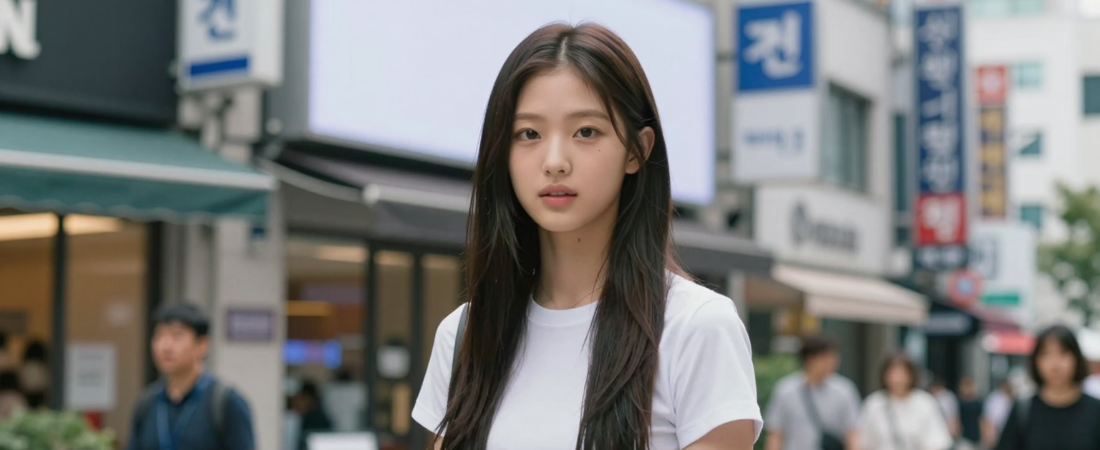
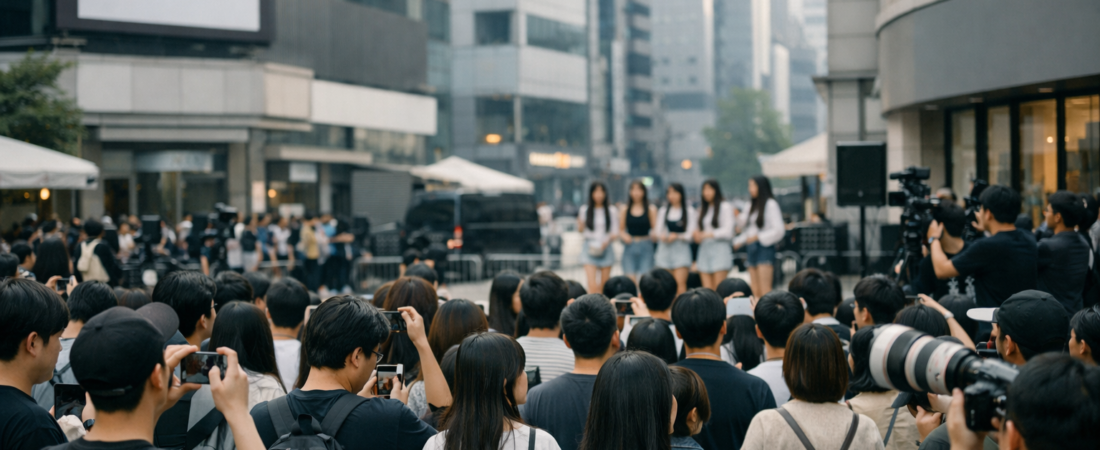
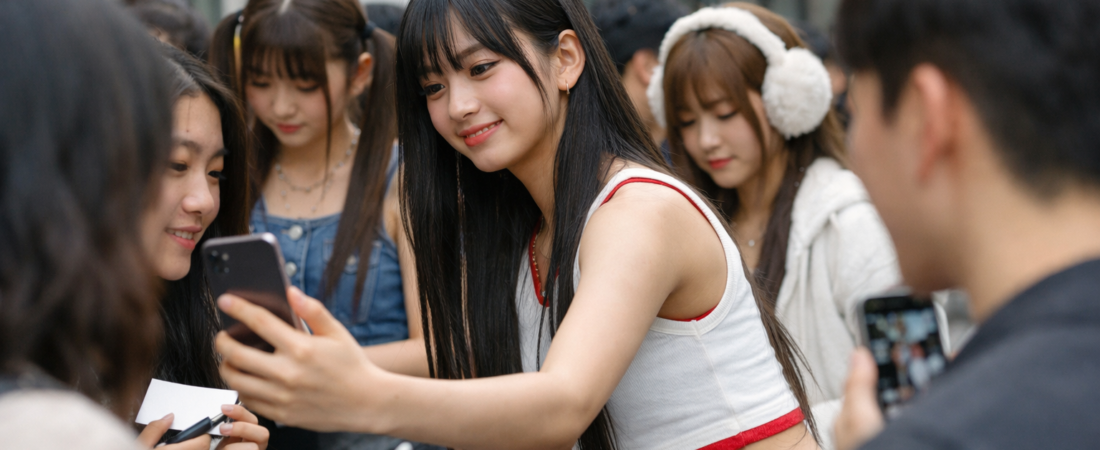
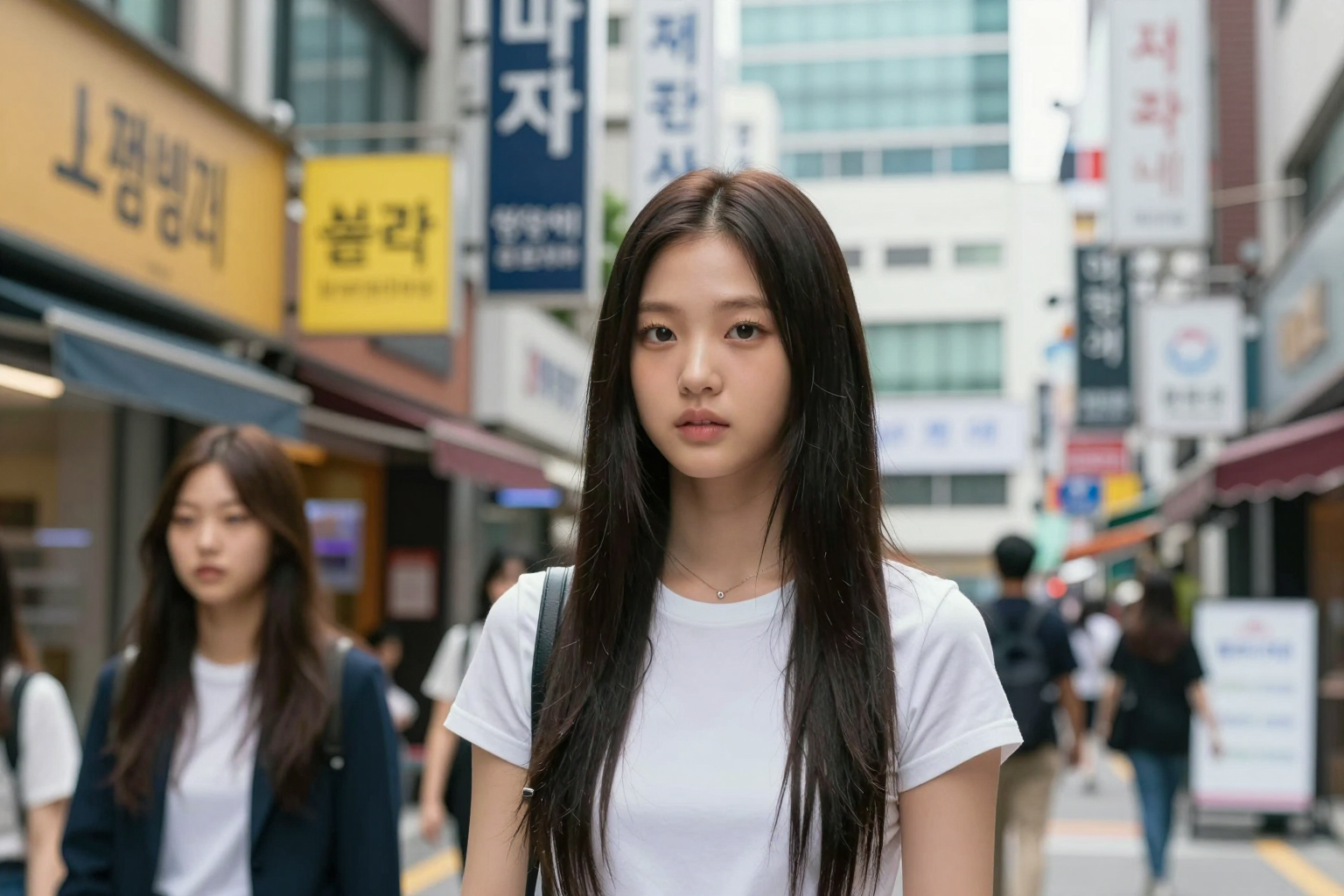
AI-Generated Photorealistic Image — All people, scenes, and details in this image are entirely AI-generated and fictional. Not a real photograph of an actual person or event. 이 이미지는 AI로 생성된 가상 이미지입니다.



Leave a Reply