Table of Contents
NewJeans members reportedly paid for their own cosmetic and beauty costs under a contract signed as teenagers, according to documents made public this week. The deal also allegedly lacked standard minor-protection clauses. Critics call the terms unusually harsh for underage trainees.
NewJeans became one of Korea’s biggest girl groups almost overnight. But what happens when the paperwork behind that success looks far less glamorous than the stage lights suggest?
This is the question gripping Korean entertainment news right now. And it’s forcing fans, industry watchers, and lawmakers to look closer at how K-pop treats its youngest stars.
What the NewJeans Contract Controversy Reveals
The leaked contract documents show NewJeans members agreed to terms as minors, years before most of them could legally sign many other kinds of agreements. According to reports, the contract required members themselves to cover costs tied to cosmetic procedures and beauty maintenance. That detail alone has triggered widespread criticism online.
Why does this matter so much? Because NewJeans isn’t just another group — it’s one of the most commercially successful acts of the past five years.
If a contract this restrictive applied to NewJeans, many fans are asking what terms smaller, less powerful groups might be signing. The controversy has reopened a conversation Korea’s entertainment industry has had before, but rarely resolved completely.
Reports note that the NewJeans contract lacked explicit protections for members who were still minors when they signed. That omission sits at the center of the current debate. Industry observers covering the story, including outlets like JTBC News, describe the clauses as unusually one-sided compared to standard practice.
Minor Protections Missing From K-Pop Deals
Korea’s entertainment industry has faced scrutiny over minor contracts before. The Fair Trade Commission introduced standard contract templates years ago specifically to prevent exploitative terms for young trainees. Yet enforcement often depends on whether agencies choose to follow those templates closely.
The NewJeans case suggests gaps still exist. Without clear minor-protection clauses, young trainees can end up financially responsible for costs agencies typically cover elsewhere in the industry.
Doesn’t that seem backwards? A system meant to develop young talent shouldn’t leave teenagers carrying financial burdens meant for the company managing them.
Trainee life already asks a lot from teenagers — years of practice, limited schooling flexibility, and intense competition. Adding financial pressure around appearance only deepens that imbalance. This is exactly the kind of detail regulators built minor-protection rules to prevent in the first place.
Why Appearance Costs Became a Flashpoint
Cosmetic and beauty spending might sound like a minor detail. But in K-pop, appearance management is treated as core business strategy, not personal choice.
Agencies typically invest heavily in styling, skincare, and image consulting because visual presentation drives album sales, endorsement deals, and social media engagement. So when a NewJeans contract reportedly shifts those costs onto members instead, it raises a bigger question about who actually benefits from an idol’s image.
Korean entertainment culture has long debated where personal identity ends and commercial branding begins. (It’s a bit like asking a company to let employees buy their own work uniforms — except the “uniform” here involves surgery.) That tension sits right at the heart of this NewJeans dispute.
Fans have pointed out that asking teenagers to fund their own cosmetic procedures normalizes pressure that should never fall on minors. Agencies, meanwhile, argue that contracts evolve case by case and don’t always reflect final negotiated terms. Either way, the NewJeans situation has made this debate impossible to ignore.
What This Means for K-Pop’s Future
K-pop’s global reach has grown faster than its contract standards have modernized. NewJeans built an international fanbase within two years of debut, proving how quickly a group can become a worldwide brand. But contracts signed years earlier, as minors, don’t always catch up with that speed.
Korea’s entertainment industry runs on genuine talent, discipline, and remarkable teamwork among young performers. At the same time, the system that trains and manages that talent has repeatedly shown blind spots when it comes to protecting the very minors it depends on. Both things are true at once, and pretending otherwise helps no one.
The good news is that public pressure has worked before. Past contract controversies led directly to the FTC’s standard template reforms, and growing fan advocacy groups now track agency practices more closely than ever. That same pressure is already building around the NewJeans case, with lawmakers reportedly reviewing whether updated minor-protection rules are needed.
Real change tends to follow real scrutiny, not silence. The NewJeans contract controversy may end up pushing Korea’s entertainment industry toward clearer, fairer standards for its youngest stars. What do you think — should Korea require stricter minor-protection rules for every K-pop contract, not just the ones that make headlines?
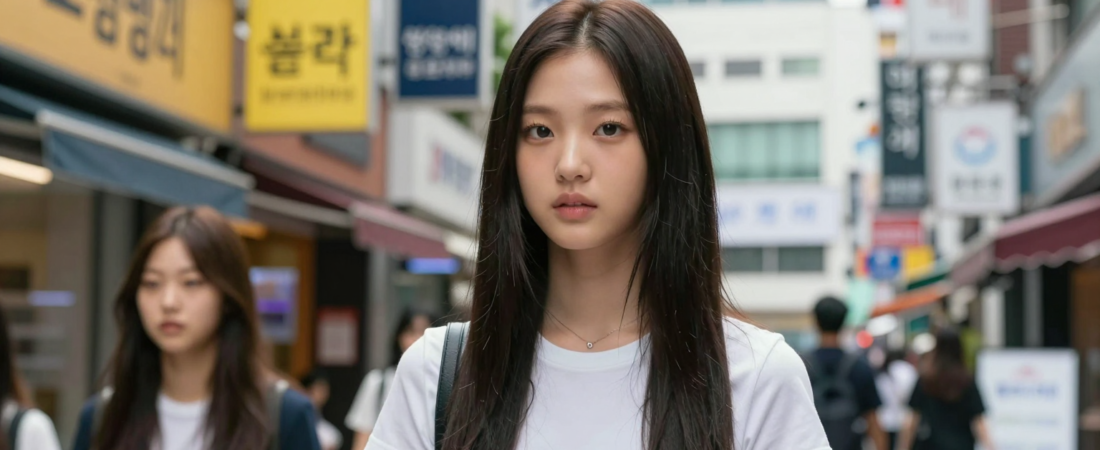
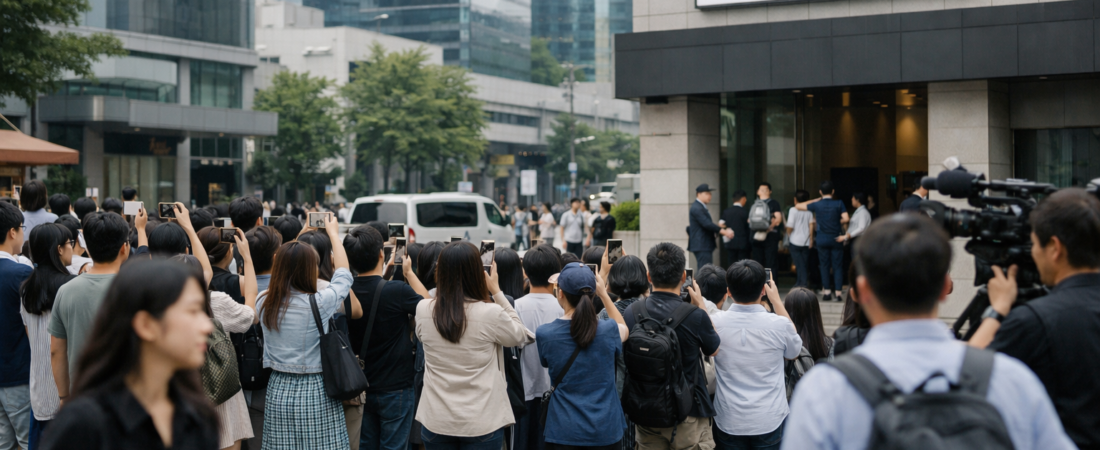
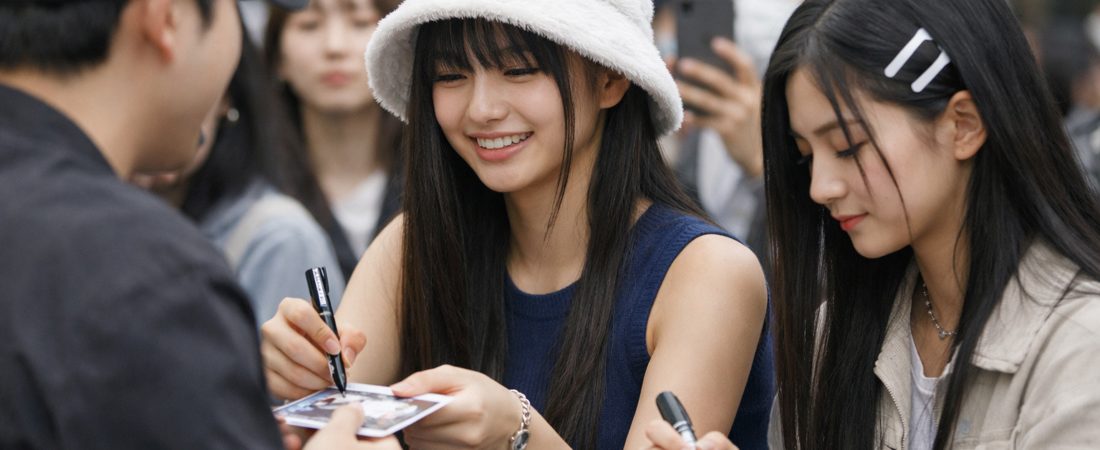
AI-Generated Photorealistic Image — All people, scenes, and details in this image are entirely AI-generated and fictional. Not a real photograph of an actual person or event. 이 이미지는 AI로 생성된 가상 이미지입니다.

Leave a Reply