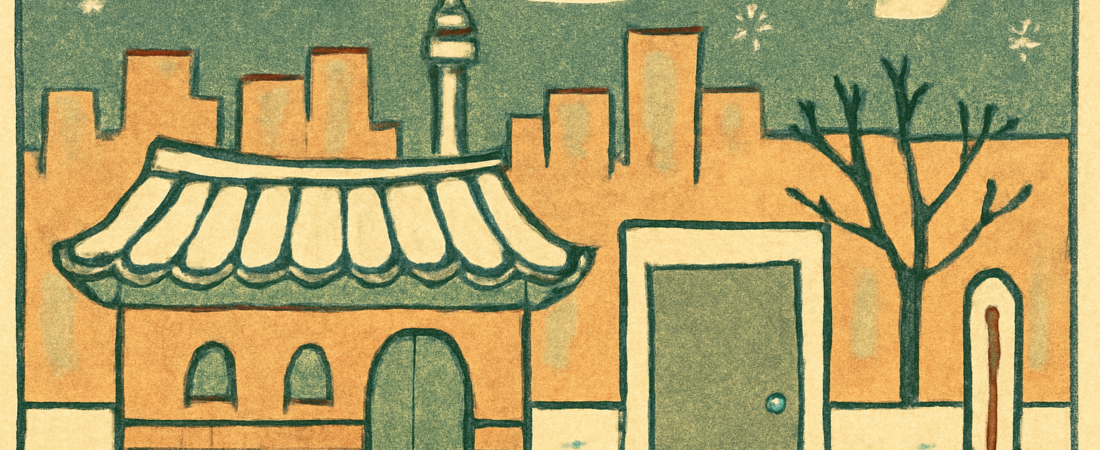
Seoul in winter is cold and dry, with daytime highs often near freezing and colder nights from December to February. Most shops, cafes, subways and palaces stay open. Some outdoor sites and markets close earlier, and a few change hours. Pack warm layers, check opening times on official sites, and plan indoor stops.
Last checked: 2026-11-28
- How cold does Seoul get in winter?
- What should you wear and pack?
- What is open and what closes early?
- Winter activities compared
- How to plan a cold-weather day
- FAQ
- Sources
- Related guides
How cold does Seoul get in winter?
Seoul winters are cold and usually dry. They run from about December to February. January is typically the coldest month.
Daytime highs often hover around freezing. Nights can drop well below freezing. In cold snaps, temperatures can fall far lower than the usual average. The exact numbers change every year.
Wind makes a big difference. A cold, dry wind can make the air feel much colder than the thermometer says. Streets near the Han River can feel especially windy.
Snow does happen in Seoul. It is not guaranteed on any given trip. Some winters have only a few light snowfalls. Others have heavier snow that affects travel.
Check the forecast before you go. The Korea Meteorological Administration publishes official forecasts in English. The link is in the Sources section below.
Here is what to expect in simple terms:
- December: cold and getting colder, with some milder days.
- January: usually the coldest stretch of the year.
- February: still cold, with signs of warming near the end.
These are general patterns, not promises. Treat them as a planning guide, not a forecast.
What should you wear and pack?
Layers work best in Seoul. Indoor spaces are often well heated. Outdoors, you will want real warmth.
Start with a thin base layer. Add a warm mid-layer such as a sweater or fleece. Finish with a coat that blocks wind.
A long, padded coat is very common on Seoul streets in winter. It covers your legs and keeps wind out. Many locals wear them for exactly that reason.
Here is a simple packing list:
- A windproof, insulated coat.
- Thermal base layers for top and bottom.
- Warm socks, ideally wool or a similar fabric.
- Waterproof boots with good grip.
- A hat, scarf and gloves.
- Lip balm and moisturizer for dry air.
- A small portable phone charger, since cold can drain batteries faster.
Grip matters more than style on icy days. Sidewalks and hills can get slippery after snow. Choose soles with deep tread.
Touchscreen-friendly gloves are handy. You will use your phone for maps and transit often. Taking gloves off in the wind gets old fast.
You can also buy winter gear in Seoul if you forget something. Convenience stores sell basic items like gloves and hand warmers. Larger stores and underground shopping areas carry more choices.
What is open and what closes early?
Most of daily life in Seoul continues as normal in winter. The subway, buses, convenience stores and cafes run on their usual schedules. Large shopping malls and department stores stay open.
Some places do change. Here is how to think about it.
Usually open as normal:
- Subway and city buses.
- Cafes, restaurants and convenience stores.
- Indoor shopping malls and underground shopping arcades.
- Museums and galleries, though hours vary by site.
- Many palaces and heritage sites, though hours differ by season.
May close earlier or change hours:
- Palaces and heritage sites often have different winter closing times. Seasonal hours can shift, so check the official page for the exact day.
- Outdoor observation decks and parks may close in bad weather.
- Some outdoor street stalls close earlier on very cold nights.
- Some attractions close one day a week. Palaces and museums often have a regular closing day, so verify it before you go.
Holiday closures:
Be careful around Christmas, New Year’s Day and Lunar New Year. Lunar New Year is called Seollal in Korean. Many small shops and family-run restaurants close for a few days. Some attractions also change hours. Big chains and malls often stay open, but not always.
Exact dates for Seollal change each year. Verify them on an official calendar before you book.
Weather disruptions:
Heavy snow or extreme cold can cause delays or closures. Outdoor attractions are most likely to be affected. Check the official site or social page of the place you plan to visit that morning.
When in doubt, call or check the official site. Opening hours can change without much notice.
Winter activities compared
The table below helps you plan. Prices are approximate and can change. Always confirm current prices on the official site. Exchange rates move, so the USD figures are rough.
| Activity | Where it happens | Typical cost (approx.) | Cold-weather notes |
|---|---|---|---|
| Visiting a palace | Outdoors, with some indoor halls | Around $2-$3 / 3,000 KRW at many palaces (verify) | Very cold on windy days. Hours differ by season. |
| Museum or gallery visit | Indoors | Free to about $10 / 13,000 KRW, depending on the venue (verify) | Warm and good for a cold afternoon. |
| Public outdoor ice rink (seasonal) | Outdoors | Often about $1-$4 / 1,000-5,000 KRW including skate rental (verify) | Open only in winter. Dates and prices vary by year. |
| Jjimjilbang (Korean bathhouse) | Indoors | Roughly $10-$20 / 13,000-26,000 KRW (verify) | Very warm. Many are open late or long hours. |
| Underground shopping arcade | Indoors, connected to subway | Free to walk through | Shelter from wind. Shop hours vary. |
| Cafe stop with a hot drink | Indoors | About $4-$7 / 5,000-9,000 KRW per drink | Easy warm-up between outdoor sights. |
| Ski resort day trip | Outside Seoul, outdoors | Varies widely by resort and season (verify) | Needs separate transport planning. Check each resort’s site. |
Prices here are broad ranges, not quotes. Ticket prices, rental fees and entry rules change often. Please check each venue’s official site before you go.
How to plan a cold-weather day
Follow these steps for a smooth winter day in Seoul.
Step 1: Check the forecast the night before. Look at the temperature and wind. Also check for snow or ice warnings.
Step 2: Put outdoor sights in the middle of the day. Mornings and evenings are usually coldest. Midday is often the mildest part.
Step 3: Confirm opening hours. Check the official page for each place. Winter hours can be shorter than summer hours. Note any weekly closing day.
Step 4: Mix outdoor and indoor stops. Visit a palace, then warm up in a nearby cafe. Spend the afternoon in a museum or shopping arcade.
Step 5: Use the subway to avoid long walks. Many stations connect to indoor passages and malls. This keeps you out of the wind.
Step 6: Plan an early dinner or a warm late meal. Hot stews and soups are popular in cold weather. Restaurant hours vary, so check ahead for popular spots.
Step 7: End with something warming. A bathhouse visit can be a good way to finish a cold day. Check the rules first. Some have specific etiquette, and some have restrictions for visitors with tattoos. Ask the venue before you go.
Keep a flexible mindset. If the weather turns, swap your outdoor plan for an indoor one. Seoul has plenty of indoor options.
A note on health and safety: dress warmly and take breaks indoors. If you have a health condition that cold affects, ask a qualified professional for advice before you travel.
FAQ
Is Seoul too cold to visit in winter?
Not for most travelers who dress well. Winter is cold, but indoor spaces are heated. With layers, a windproof coat and a plan that mixes indoor and outdoor stops, many people enjoy it. Check the forecast before you go.
Does it snow in Seoul?
Yes, it can. Snow is common in some winters and light in others. You cannot count on it for a specific trip. Check the Korea Meteorological Administration for current forecasts.
Do shops and restaurants close during winter?
Most stay open as normal. The main exceptions are public holidays such as Lunar New Year, when many small businesses close for a few days. Some outdoor stalls close early in very cold weather. Verify hours on the official page or map listing.
Are palaces open in winter?
Many are open, but hours can differ by season. Most have a regular weekly closing day. Check the official palace or heritage site page for the exact hours on your travel date.
What is the best way to stay warm outdoors?
Wear layers and block the wind. Use a hat, scarf and gloves. Take warm breaks in cafes or shops. Convenience stores sell hand warmers and basic cold-weather items if you need them.
Sources
- Korea Meteorological Administration (official weather forecasts): https://www.kma.go.kr/
- Visit Korea, Korea Tourism Organization (official travel information): https://english.visitkorea.or.kr/
- Visit Seoul, Seoul Tourism Organization (official city tourism site): https://english.visitseoul.net/
- Korea Heritage Service (palace and heritage site information): https://www.khs.go.kr/
- Seoul Metro (subway information): https://www.seoulmetro.co.kr/
Opening hours, prices and holiday dates change. Always confirm details on the official site before you travel.
Leave a Reply