Table of Contents
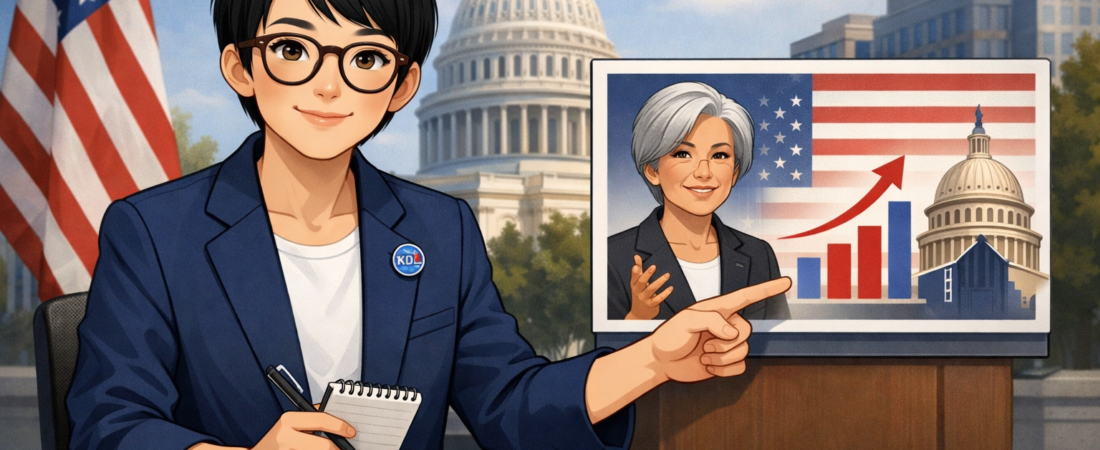
Why would Korea call its own ambassador home for just five days? That question is exactly what diplomatic watchers are asking about Kang Kyung-wha, Korea’s ambassador to the United States. Her brief return to Seoul, ordered by Foreign Minister Cho Hyun, is raising eyebrows across the diplomatic community.
A sitting ambassador rarely leaves her post for a short domestic visit. But Kang Kyung-wha is doing just that. And the reasons behind her trip tell you a lot about where Korea-US relations stand right now.
Why Kang Kyung-wha’s Sudden Trip Home Matters
Kang Kyung-wha currently serves as Korea’s top diplomat in Washington. Her five-day return, according to the Foreign Ministry, comes directly from instructions issued by Foreign Minister Cho Hyun. This isn’t a routine rotation or a scheduled briefing.
It’s an urgent check-in on several pressing issues. The Foreign Ministry has been careful to frame this as a “working consultation.” Officials want to share Washington’s current mood with Seoul, and vice versa.
Why does that framing matter? Because it tells us this isn’t a crisis-level emergency call. Yet it’s also not nothing.
The Foreign Ministry itself admitted that a separate, standalone return by a sitting ambassador is unusual. Kang Kyung-wha’s trip covers three major topics: the ongoing Coupang controversy, expanded Korean investment in the United States, and Korea-US security consultations. Each of these deserves a closer look.
The Coupang Controversy Behind the Scenes
Coupang, Korea’s largest e-commerce platform, has become an unexpected flashpoint in US-Korea relations. Criticism has been mounting inside the United States regarding the company’s practices. That criticism has apparently reached a level where Korea’s ambassador needs direct, in-person coordination with Seoul.
What kind of criticism are we talking about? While specifics remain limited in official statements, the fact that Kang Kyung-wha is personally reviewing this issue suggests real diplomatic sensitivity. Corporate disputes rarely rise to ambassador-level attention unless they carry broader trade or political implications.
Think about it this way. Korean companies operating in the US market don’t just represent themselves.
They represent Korea’s broader economic reputation abroad. When a major Korean firm faces scrutiny in Washington, it can quickly become a diplomatic matter rather than a purely commercial one.
Kang Kyung-wha’s involvement suggests the Foreign Ministry wants a unified, carefully coordinated response. You can see why Seoul would want its ambassador fully briefed before any further developments unfold. Miscommunication at this stage could complicate broader trade discussions already underway between the two countries.
Kang Kyung-wha and the Bigger Picture of US Investment Demands
Beyond Coupang, there’s a second major theme driving Kang Kyung-wha’s visit: pressure for expanded Korean investment in the United States. This isn’t a new demand. But it appears to be intensifying.
The United States has repeatedly encouraged its allies, including Korea, to deepen manufacturing and technology investments on American soil. Semiconductor plants, battery factories, and other strategic industries have already seen billions of dollars flow from Korean companies into US states. Now, apparently, Washington wants more.
Is this simply a continuation of an existing pattern? Or has something shifted requiring closer coordination? The fact that Kang Kyung-wha needs a face-to-face review with officials in Seoul suggests the pressure is significant enough to warrant fresh strategic thinking.
Korea’s government must now consider what its ambassador should say in the coming weeks. How much can be promised without shortchanging investment at home? These are not easy calculations.
You can imagine the balancing act facing Kang Kyung-wha. She must communicate Korea’s willingness to cooperate. At the same time, she must protect Korea’s own economic interests from being overextended abroad.
Readers curious about the broader economic backdrop can find additional context through Yonhap News Agency, which has tracked related developments in Korea-US trade discussions.
What This Recall Signals for Korea-US Security Ties
The third pillar of Kang Kyung-wha’s visit involves Korea-US security consultations. Security cooperation between the two allies has never been static. It shifts constantly with changing regional dynamics, particularly regarding North Korea and broader Indo-Pacific strategy.
Why bring security talks into a trip primarily about business issues like Coupang and investment? Because in modern diplomacy, security and economics rarely stay separate. Trade friction can bleed into alliance management, and vice versa.
Kang Kyung-wha’s background gives her unique credibility here. She previously served as Korea’s Foreign Minister from 2017 to 2021, making her one of the most experienced diplomats currently representing Korea abroad. Her firsthand understanding of both security frameworks and economic diplomacy makes her well-suited for this kind of multi-topic review.
Foreign Minister Cho Hyun’s decision to call her home reflects careful strategic thinking. Rather than handling these issues through cables or video calls, Seoul wants direct, in-person alignment. That says something about how seriously the government views the current moment.
Is this the start of a broader pattern of more frequent ambassador consultations? Possibly. Given rising trade tensions and shifting global alliances, Seoul may increasingly prefer direct briefings over remote communication for its most sensitive diplomatic postings.
Looking Ahead: What Kang Kyung-wha’s Visit Tells Us
So what should you take away from Kang Kyung-wha’s brief but significant trip home? First, Korea-US relations currently involve more moving parts than a simple alliance narrative suggests. Trade, corporate conduct, investment expectations, and security cooperation are all intertwined.
Second, the unusual nature of this recall tells us Seoul is not taking any of these issues lightly. When a government pulls its ambassador home for direct consultations, it usually means the stakes have risen. Kang Kyung-wha’s experience as former Foreign Minister makes her uniquely positioned to navigate these overlapping challenges.
Third, this moment offers a preview of how Korea might handle future friction points with Washington. Expect more coordinated, carefully managed diplomatic responses rather than reactive statements. Kang Kyung-wha’s five-day visit may be short, but its implications could shape Korea-US relations for months to come.
What do you think about Korea’s approach to managing these overlapping economic and security challenges with the United States?
Leave a Reply