Table of Contents
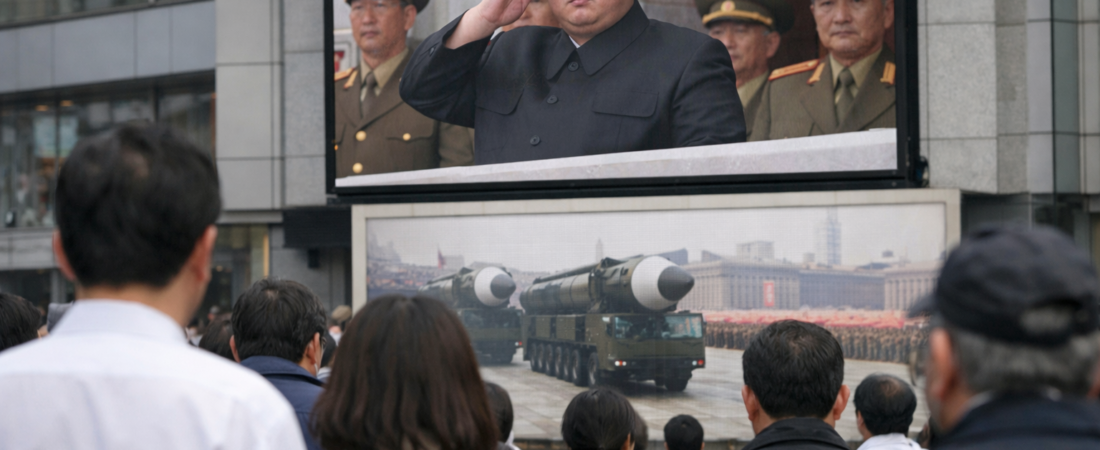
Why does a single naval exercise make North Korea this furious? This week, North Korea unleashed some of its harshest language yet, calling South Korea a “puppet” nation and its military “warmongers.” The target of this anger was RIMPAC, the world’s largest multinational maritime exercise.
South Korea played a lead role this year, and North Korea did not stay quiet. Let’s break down what happened, why it matters, and where this tension might lead next.
Why Is North Korea So Angry About RIMPAC?
North Korea’s state media, the Korean Central News Agency, wasted no time attacking the drill. It labeled South Korea’s participation a “war rehearsal” designed to threaten the North. Strong words, but is this really new behavior from Pyongyang?
Not exactly. North Korea has long viewed joint military exercises involving South Korea, the United States, and Japan as direct provocations. This time, though, the criticism carried an extra edge.
North Korea specifically condemned trilateral cooperation between Seoul, Washington, and Tokyo. It framed the entire exercise as proof of hostile intent against the North.
North Korea even hinted at what it called “proportionate response measures.” That phrase should catch your attention. It suggests Pyongyang may consider some kind of military or diplomatic countermove, though details remain vague.
Is this just tough talk, or a genuine warning sign? History suggests it’s often somewhere in between—strong rhetoric meant to project strength, paired with occasional real action like missile tests or naval posturing.
Understanding RIMPAC and South Korea’s Historic Role
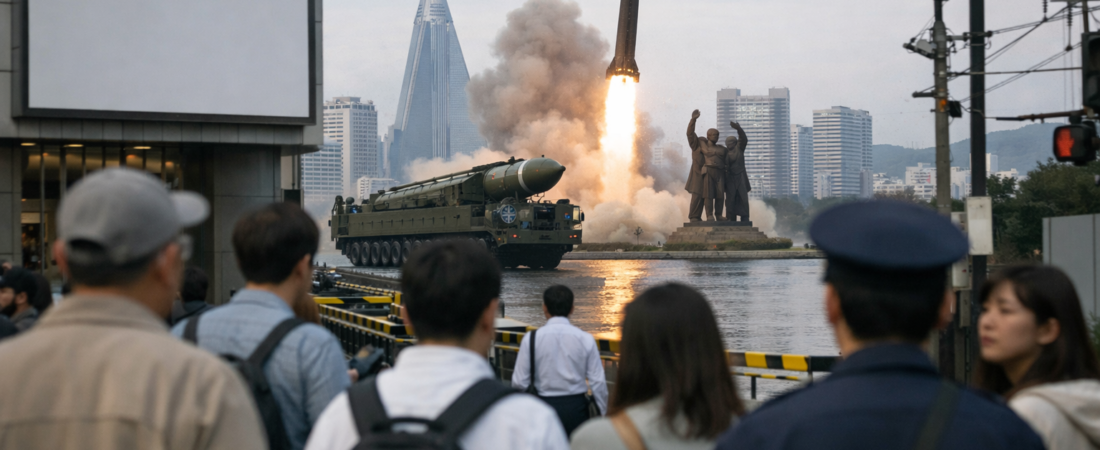
RIMPAC stands for Rim of the Pacific Exercise. It’s the largest international maritime training event on Earth, held every two years near Hawaii.
This year, thirty countries sent ships, aircraft, and personnel to participate. That scale alone tells you how significant this exercise has become for global naval cooperation.
South Korea’s navy achieved something historic this time. For the first time ever, South Korea’s navy commanded the Combined Task Force, officially known as the Combined Naval Component Command.
This is not a small detail. Leading a multinational naval command signals growing trust in South Korea’s military capabilities among allied nations.
It also shows how South Korea’s role in the Indo-Pacific region continues to expand. Naturally, this kind of visibility does not sit well with North Korea, which sees any expansion of South Korea’s alliance network as a direct threat to its own security posture.
You might wonder: does North Korea react this strongly to every joint exercise? Not always with equal intensity, but participation of this scale—thirty nations, a South Korean commander—clearly triggered a stronger response than usual.
If you want to understand more about how these multinational naval exercises operate, you can check detailed reporting from Yonhap News Agency, which covers the broader context of RIMPAC’s strategic importance.
North Korea’s Rhetoric: A Pattern Worth Watching
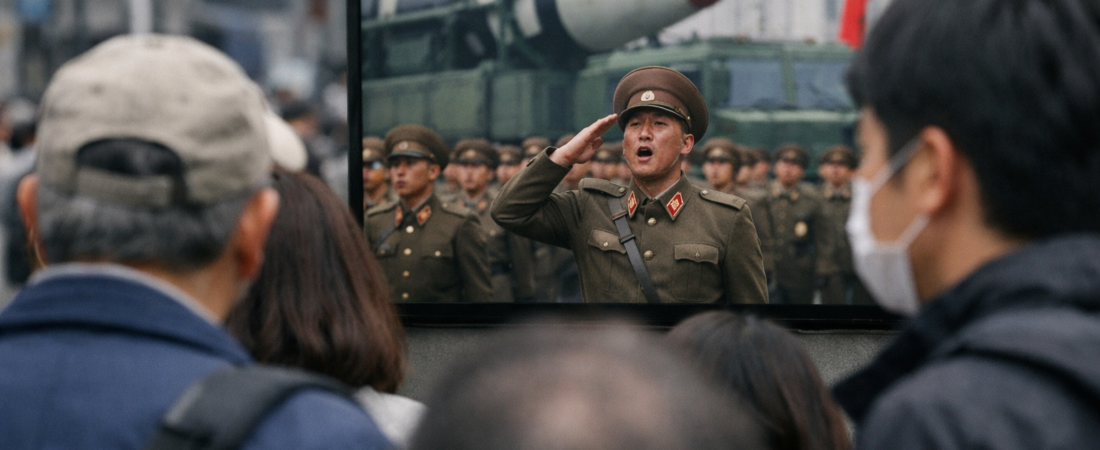
North Korea’s use of terms like “puppet” and “warmonger” is not accidental. These phrases have deep roots in North Korean propaganda dating back decades.
Calling South Korea a “puppet” state reinforces a core narrative: that Seoul simply follows orders from Washington. This narrative helps North Korea justify its own military buildup to domestic audiences.
Think about it from Pyongyang’s perspective. If North Korea admits South Korea acts independently, that undermines decades of internal propaganda about American control over the peninsula.
North Korea also framed the entire RIMPAC exercise as a “war rehearsal.” This language choice matters because it positions North Korea as the victim of aggression, not the instigator of tension.
Such framing serves multiple purposes. It rallies domestic support, justifies weapons development, and sends a signal to international observers that North Korea sees itself as constantly under threat.
Does this rhetoric always lead to action? Sometimes yes, sometimes no. North Korea has previously responded to joint drills with missile launches, artillery tests, or diplomatic freezes, so the “proportionate response” warning deserves close attention in coming weeks.
North Korea’s consistent targeting of trilateral cooperation—linking South Korea, the United States, and Japan—also reveals a deeper strategic concern. Pyongyang worries that deepening security ties among these three nations could eventually create a more unified deterrence framework against North Korea itself.
What This Means for Regional Security
So what should you take away from all this? North Korea’s angry statements reflect real anxiety about shifting regional alliances, not just performative anger.
South Korea’s expanded naval role at RIMPAC represents a meaningful step in military cooperation among like-minded nations. North Korea recognizes this shift and clearly wants to discourage further deepening of ties.
For everyday readers outside Korea, this might seem like distant news. But regional stability in Northeast Asia affects global trade, shipping routes, and broader security dynamics that touch economies worldwide.
North Korea’s warnings about “proportionate response measures” also matter for how allied nations plan future exercises. Will South Korea, the United States, and Japan scale back cooperation to ease tensions? Unlikely.
Most analysts expect these three nations to continue strengthening ties, precisely because North Korea’s provocations reinforce the perceived need for deterrence. This creates a recurring cycle: joint exercises prompt North Korean anger, which in turn justifies further cooperation among allies.
North Korea’s leadership understands this dynamic well, yet continues using strong rhetoric anyway. Why? Because domestic messaging often matters more to Pyongyang than actual policy outcomes on the international stage.
Looking ahead, expect North Korea to keep monitoring joint exercises closely. Any future expansion of South Korea’s role in multinational drills will likely draw similar condemnation from Pyongyang’s state media.
The bigger question is whether North Korea moves beyond rhetoric into concrete action. Missile tests, cyber activity, or naval posturing near disputed waters could follow, based on historical patterns after similar exercises.
For now, North Korea’s reaction remains firmly in the realm of words rather than weapons. But given the unpredictable nature of North Korea’s decision-making, that could change quickly depending on regional developments in the coming months.
North Korea’s relationship with South Korea continues evolving, shaped by these recurring cycles of exercise, rhetoric, and response. Understanding this pattern helps explain why peninsula tensions rarely disappear completely, even during periods of relative calm.
What do you think about North Korea’s escalating rhetoric toward joint military exercises like RIMPAC? Do you believe Pyongyang’s “proportionate response” warning signals real action ahead, or just another round of predictable propaganda?
AI-Generated Photorealistic Image — All people, scenes, and details in this image are entirely AI-generated and fictional. Not a real photograph of an actual person or event. 이 이미지는 AI로 생성된 가상 이미지입니다.




Leave a Reply