
Table of Contents
What happens when a media regulator has to judge the very decision it once made? That question sits at the heart of a fresh controversy at Bangmitongwi, South Korea’s Broadcasting Media Communications Committee. This week, the commission scheduled a hearing to revisit its own approval of a major ownership change at YTN, one of Korea’s most influential news channels.
The stakes go beyond one broadcaster. They touch on media independence, political influence, and how regulators handle their own past mistakes.
What Happened at the Bangmitongwi Hearing on YTN
Bangmitongwi announced it will hold a hearing at 9 a.m. on the 20th. The commission plans to listen to YTN’s labor and management representatives, along with officials from Yujin Group, the company that became YTN’s largest shareholder.
Why does this hearing matter? Bangmitongwi is reconsidering its own earlier approval of the ownership transfer, and that reconsideration could reverse a major corporate decision. Few regulatory moments carry this much weight for a national news organization.
Yujin Group purchased a controlling stake in YTN through a privatization process that Bangmitongwi originally approved. Now, the same commission is examining whether to cancel that approval. This kind of reversal is rare in Korean media regulation, and it signals just how contested the YTN sale remains.
Labor unions at YTN have long argued that the sale threatened editorial independence. Management and Yujin Group, meanwhile, maintain the process followed proper legal procedure. Bangmitongwi’s hearing gives both sides a formal chance to make their case before any final ruling.
Why the YTN Ownership Dispute Matters

YTN is not just another news channel. It launched in 1995 as Korea’s first 24-hour news network, built on a semi-public ownership structure designed to protect editorial independence.
That structure changed dramatically when Yujin Group acquired the largest shareholder position. Critics worried a private conglomerate with no media background might reshape newsroom decisions. Have you ever wondered how much ownership actually shapes what a newsroom reports? In Korea, this question carries real political weight, given the country’s history of government pressure on broadcasters during past administrations.
Bangmitongwi’s decision to revisit its own approval reflects growing scrutiny over how media ownership changes get approved in the first place. If the commission cancels the approval, YTN could face another ownership shake-up. If it upholds the decision, critics will argue the regulator failed to protect journalistic independence from corporate influence.
Either outcome will set a precedent. Future media ownership deals in Korea will likely reference how Bangmitongwi handled this case. For readers tracking press freedom trends across Asia, this dispute offers a clear window into how regulatory bodies balance corporate interests against public accountability.
Kim Jong-chul’s Recusal and the Question of Trust
Chairman Kim Jong-chul chose not to participate in this specific deliberation. He cited concerns that his prior public interest activities, conducted before he took office, might create the appearance of bias.
This is a notable move. Regulatory chairs rarely step aside from high-profile cases, and doing so signals just how sensitive the YTN issue has become inside Bangmitongwi itself.
Kim’s recusal raises an important question: how do we ensure regulators stay neutral when their own past work overlaps with current decisions? In Kim Jong-chul’s case, avoiding even the appearance of conflict may have been the safer path. It protects the commission’s credibility, even if it means one fewer voice in the room.
Other commission members reportedly discussed legal counsel and procedural questions during the same session. This suggests the case involves more than a simple policy vote. It likely requires careful legal review before Bangmitongwi issues any final decision on the YTN ownership matter.
Transparency matters here more than almost anywhere else in government. When a media regulator investigates media ownership, the public needs confidence that politics isn’t driving the outcome. Kim Jong-chul’s recusal, whether you agree with it or not, at least signals an attempt to preserve that confidence.
Bangmitongwi and the Battle Over Public Broadcasting Boards

The YTN case wasn’t the only major decision from Bangmitongwi this week. The commission also approved the nomination process for several public broadcasting board director candidates recommended by the Democratic Party of Korea.
Public broadcasting boards oversee major outlets like KBS and MBC. These seats carry significant influence over editorial direction, budget approval, and executive appointments. Bangmitongwi moved forward with appointment recommendations for the Democratic Party’s picks, while also urging other nominating organizations to submit their candidates without further delay.
Why does the timing matter so much? Korea’s public broadcasters have long been caught between competing political parties, each wanting influence over board composition. This pattern repeats with every change in administration, and it shapes how citizens perceive broadcast neutrality.
Bangmitongwi’s push for faster nominations suggests the commission wants to avoid prolonged vacancies on these boards. Empty board seats can stall governance decisions at KBS and MBC, leaving these networks without full oversight during politically sensitive periods. You can read more background on Korea’s public broadcasting governance structure through Korea Broadcasting Policy Review, which has tracked these disputes closely.
Some observers see a connection between the YTN case and the broadcasting board nominations. Both involve Bangmitongwi navigating pressure from political parties, corporate interests, and media labor unions simultaneously. Handling all three at once tests how independently this commission can actually operate.
What This Means for Korea’s Media Landscape
Step back for a moment. What do these overlapping Bangmitongwi decisions tell us about Korean media policy heading into 2026?
First, ownership battles like the YTN case will likely continue as private capital shows more interest in Korean broadcasters. Second, public board appointments remain a political football, with each party pushing its preferred nominees. Third, regulatory recusals like Kim Jong-chul’s may become more common as commissioners try to protect institutional credibility.
For global readers, this matters beyond Korea’s borders. Media ownership fights, regulatory independence, and public broadcasting governance are global concerns, from the UK’s BBC debates to press freedom discussions across Asia. Korea’s experience with Bangmitongwi offers a useful case study in how democracies manage these tensions.
Where does this leave YTN, its employees, and its viewers? The answer depends on how Bangmitongwi rules after hearing from labor, management, and Yujin Group representatives. Whatever the outcome, this case will likely shape Korean media regulation for years to come.
What do you think? Should media regulators like Bangmitongwi have the power to reverse their own ownership approvals after the fact?
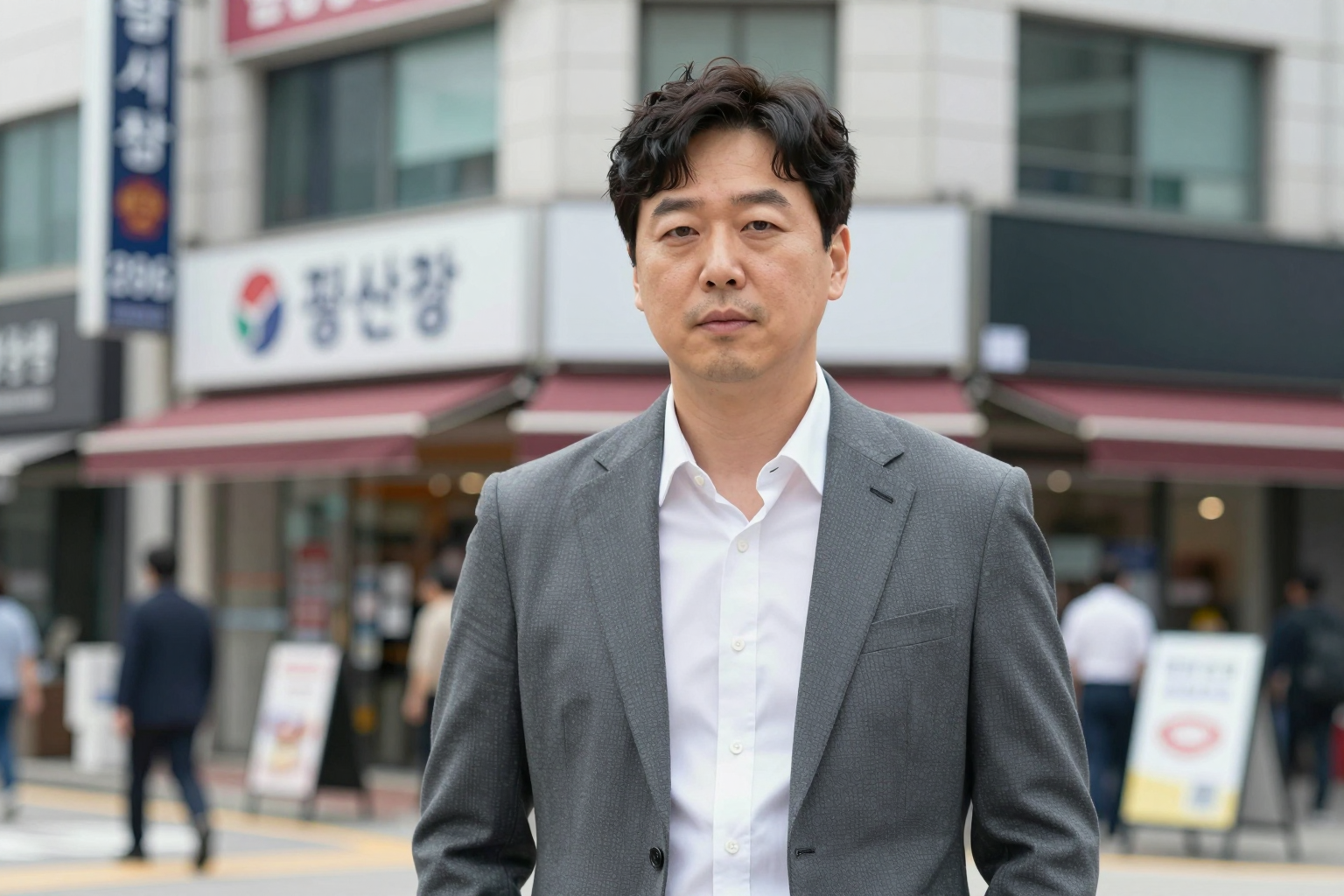
AI-Generated Photorealistic Image — All people, scenes, and details in this image are entirely AI-generated and fictional. Not a real photograph of an actual person or event. 이 이미지는 AI로 생성된 가상 이미지입니다.


Leave a Reply