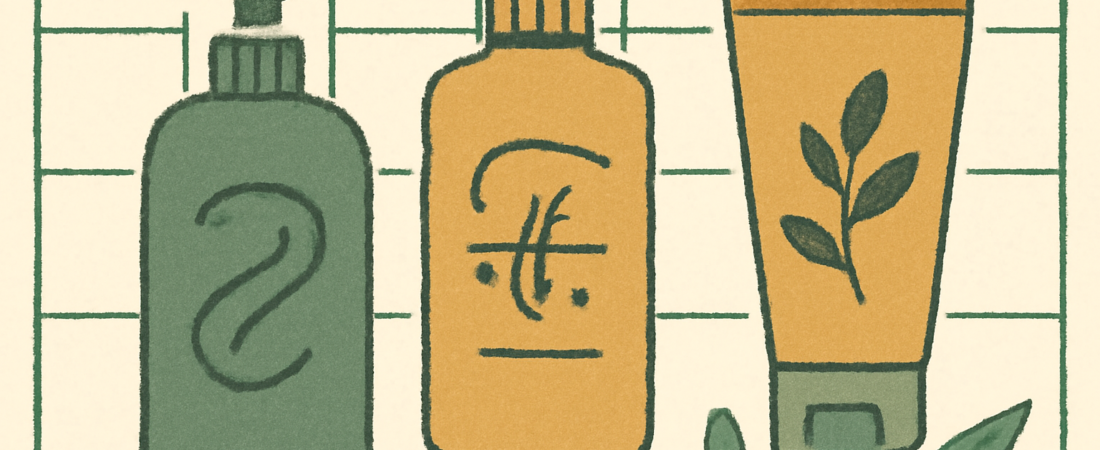
Korean hair care centers on the scalp. Most routines pair a gentle or scalp-focused shampoo with a rinse-off treatment on the lengths, plus a leave-in product for damage. Look for ingredients like panthenol, ceramides and amino acids. Check current bestseller lists on Korean retail apps, since popular products change quickly.
Last checked: 2026-11-17
- Why Korean hair care starts with the scalp
- Where the “what Koreans buy” data comes from
- Shampoo types and what they are for
- Treatment ingredients, explained plainly
- A simple routine and how to shop in Korea
- FAQ
- Sources
- Related guides
Why Korean hair care starts with the scalp
In Korea, hair care often starts at the scalp. Many people treat it like facial skin. This idea shows up in product names, store shelves and ad copy.
You will see the word “두피” (dupi, meaning scalp) on many bottles. Products are often labeled for a scalp concern first. Hair type comes second.
Common concerns on Korean labels include an oily scalp, a dry or flaky scalp, a sensitive scalp, and hair thinning. Brands also market “scalp scaling” products, “scalp ampoules” and “scalp tonics.”
Why does this matter for you? It changes how you shop. Instead of asking “Is this for curly or straight hair?”, ask “What does my scalp feel like by day two?”
A few cultural habits shape this approach:
- Frequent washing. Many people wash daily, often in the morning or evening. Heat and humidity in summer make this common.
- Scalp as skin. Many brands describe the scalp in skincare terms, such as balance, barrier and soothing.
- Layering. Shampoo, treatment, leave-in and a heat-protective product are separate steps for many people.
None of this is a rule. It is a general pattern you can see in stores and online. Your own hair and scalp matter more than any trend.
Where the “what Koreans buy” data comes from
This is a data-explainer, so here is where the numbers live. We do not quote specific rankings or sales figures here, because they change often and we cannot verify them for today. Instead, here are the types of sources to check yourself.
1. Retail bestseller lists. Large Korean health-and-beauty chains publish rolling bestseller rankings in their apps and websites. These list top products by category, such as shampoo, treatment and scalp care. Rankings usually update daily or weekly. Olive Young is the best-known example, and it has an English-language site and app.
2. Online marketplace rankings. Korean e-commerce platforms show category rankings and review counts. Review counts are useful. They show real buyer interest, though they can be influenced by promotions.
3. Government statistics. Statistics Korea (KOSTAT) publishes household and consumer data. The Ministry of Food and Drug Safety (MFDS) regulates cosmetics and functional cosmetics. These sources give context, not product rankings.
4. Social and search trends. Korean portals and social platforms show what people search for. Search interest can reveal seasonal worries, such as scalp oiliness in summer or dryness in winter.
How to read this data wisely.
- Note the date of any list. Rankings shift fast.
- Check whether the list is by sales, by reviews, or by editor picks.
- Remember that sale events can push products up temporarily.
- Treat a bestseller as a hint, not a guarantee it suits you.
Always check current numbers directly on the official site or app before you buy. Do not rely on a blog post, including this one, for live rankings.
Shampoo types and what they are for
Korean shampoo shelves can feel overwhelming. Most products fall into a few clear groups. Here is a plain-language map.
Scalp-balancing or oil-control shampoos
These target an oily scalp. They often use gentle surfactants and sometimes mild exfoliating ingredients. People with fast-greasing roots tend to look here.
Soothing or sensitive-scalp shampoos
These are made for scalps that feel tight, itchy or reactive. They tend to skip heavy fragrance. Labels often mention calming plant extracts.
Damage-repair shampoos
These focus on the hair lengths. They may add amino acids or protein-style ingredients. They suit bleached or heat-styled hair.
Anti-hair-loss or “hair-strengthening” shampoos
This is a big category in Korea. Some are regular cosmetics. Some are labeled as functional products. A cosmetic shampoo cannot treat a medical condition. If you notice sudden or heavy shedding, speak with a doctor or dermatologist.
Scalp scalers and scrubs
These are used less often than daily shampoo. They aim to lift product buildup. Overuse can irritate. Follow the label and patch test first.
Here is a comparison to help you choose. Prices are typical ranges and not exact. Check current prices on the official retailer site, as they vary by brand, size and sale.
| Product type | Best for | How often | Typical price range (approx.) | Watch out for |
|---|---|---|---|---|
| Oil-control scalp shampoo | Greasy roots, humid weather | Daily or every other day | $8-20 / 11,000-28,000 KRW | Can feel drying on dry scalps |
| Soothing shampoo | Sensitive, tight or itchy scalp | As needed | $8-22 / 11,000-30,000 KRW | May feel less “squeaky clean” |
| Damage-repair shampoo | Bleached or heat-styled hair | 2-4 times a week | $8-25 / 11,000-34,000 KRW | Can weigh down fine hair |
| Hair-strengthening shampoo | Hair that feels thin or fragile | Per label | $10-30 / 14,000-41,000 KRW | Not a medical treatment |
| Scalp scaler or scrub | Buildup from styling products | About 1-2 times a week, per label | $10-25 / 14,000-34,000 KRW | Over-exfoliation can irritate |
These ranges are rough guides, based on general market patterns. Exchange rates also move. Confirm current prices and conversion on the retailer site before you plan a budget.
Treatment ingredients, explained plainly
Treatments are rinse-off or leave-in products for the hair lengths. You will see long ingredient lists. A few names come up again and again. Here is what they generally do.
Panthenol (pro-vitamin B5). A common moisturizing ingredient. It is often used to help hair feel softer and smoother.
Ceramides. These are lipid-type ingredients borrowed from skincare. In hair products, they are used to help hair feel smoother and more protected.
Amino acids and hydrolyzed proteins. Often used in repair products. They can make damaged hair feel firmer. Too much protein can leave some hair feeling stiff. If that happens, switch to a more moisturizing option.
Keratin. A protein-type ingredient used to give a smoother feel. It does not rebuild hair permanently. The effect is usually temporary until the next wash.
Hyaluronic acid. A moisture-binding ingredient. It is more common in scalp serums and essences.
Salicylic acid (BHA). A mild exfoliant sometimes found in scalp-care products for oily or flaky scalps. It can irritate sensitive skin. Use as directed and stop if you feel stinging.
Plant oils and butters. Argan, camellia, jojoba and shea appear often. Camellia oil is closely linked to Korean beauty tradition. These add softness and shine.
Silicones. Dimethicone and similar ingredients coat hair for slip and shine. Some people avoid them. Others like the smooth finish. Both choices are fine. It depends on your hair.
Niacinamide, caffeine, biotin and similar “scalp care” extras. These appear in many products aimed at thinning-looking hair. Cosmetic claims are limited. We make no medical claims here. If hair loss worries you, see a qualified professional.
Fragrance and essential oils. Pleasant, but they can trigger sensitivity. If your scalp is reactive, try a fragrance-free option and patch test.
How to read a Korean label
Korean ingredient lists are usually in Korean, with English on some export versions. Key terms:
- 두피 (dupi): scalp
- 모발 (mobal): hair strands
- 손상모 (sonsangmo): damaged hair
- 지성 (jiseong): oily
- 건성 (geonseong): dry
- 민감성 (mingamseong): sensitive
- 탈모 (talmo): hair loss
The word “탈모” (talmo) is very common on shelves. Many products carry it in their name or tagline. Read it as marketing language, not as a medical claim.
A simple routine and how to shop in Korea
You do not need ten steps. Here is a simple, flexible routine many people follow in some form.
- Brush first. Detangle dry hair gently before the shower. This reduces breakage.
- Shampoo the scalp. Focus on the roots. Massage with your fingertips, not your nails. Rinse well.
- Treatment on the lengths. Apply from mid-lengths to ends. Avoid the roots. Leave on for the time on the label, then rinse.
- Towel dry gently. Pat and squeeze. Do not rub hard.
- Leave-in product. Apply an essence, oil or cream on damp ends.
- Dry with care. Many people blow-dry the roots first, then the ends, on a medium heat setting.
Optional extras include a scalp tonic after drying and a weekly scalp scrub or mask. Add one new product at a time. That makes it easier to spot what suits you.
Shopping tips if you are in Korea
- Health-and-beauty chains. Large stores such as Olive Young are easy for visitors. Many have staff who speak some English and tourist services. Check the store site for current tourist perks.
- Department store beauty floors. These carry premium and salon-style brands.
- Salons. Many salons sell professional lines. Staff can often recommend products after seeing your scalp.
- Tax refund. Korea has a tourist tax refund system. Rules and minimums change. Verify current terms on the official Korea tourism or tax authority site before you shop.
- Sizes and refills. Many brands sell large refill pouches. These are usually cheaper per milliliter.
- Travel sizes. Useful if you want to test before committing to a full bottle.
Shopping tips if you are abroad
- Buy from official brand stores or authorized sellers. This lowers the risk of counterfeits.
- Check the expiry or “period after opening” symbol on the package.
- Formulas for export can differ slightly from Korean domestic versions. Read the label you receive.
- Patch test new scalp products on a small area first, especially exfoliating ones.
A note on water: Korean tap water differs from water in many countries. If your hair feels different after a trip, that may be part of it. Water hardness affects how shampoo feels. This is a general pattern, not a guarantee.
FAQ
Do Koreans really wash their hair every day?
Many do, especially in hot, humid months. It is common, but not universal. Some people wash every other day. Your scalp type and activity level are better guides than any trend.
Are Korean hair products safe for sensitive scalps?
Some are made for sensitive scalps, but no product is safe for everyone. Check the ingredient list for known triggers, such as fragrance. Patch test first. If irritation continues, stop using it and consult a dermatologist.
Can a shampoo stop hair loss?
Cosmetic shampoos cannot treat medical hair loss. Some products aim to make hair look fuller or feel stronger. If you notice heavy or sudden shedding, see a doctor or dermatologist for advice.
How do I find out what is popular in Korea right now?
Check the live bestseller rankings in major Korean retail apps and websites. Note the date and the ranking basis, such as sales or reviews. Rankings change often, so always verify current numbers on the official site.
Do I need a scalp scaler?
No, it is optional. Some people use one occasionally to lift styling-product buildup. Overuse may irritate. Follow the label directions and start slowly.
Sources
- Ministry of Food and Drug Safety (MFDS), Korea: https://www.mfds.go.kr/
- Statistics Korea (KOSTAT): https://kostat.go.kr/
- Korea Tourism Organization (Visit Korea): https://english.visitkorea.or.kr/
- Olive Young Global (retailer bestseller rankings and product information): https://global.oliveyoung.com/
Prices, rankings and tax-refund rules change often. Please confirm all current details on the official sites above before you buy or travel.
Leave a Reply