
Table of Contents
BTS Launches Second Munjado Collaboration
BTS just released a new merchandise line reinterpreting traditional Korean folk art called munjado, through its official “Dalmajoong” series. HYBE announced the collaboration on September 22, working alongside the National Museum of Korea Foundation for Culture. This marks BTS and the “Mudds” merchandise platform’s second joint project together.
Right now in Korea, fans and cultural commentators are buzzing about this release. Why would a global pop group tie its merchandise to centuries-old folk paintings? That question sits at the heart of why this BTS project feels different from typical band merchandise.
The new items draw inspiration from lyrics in BTS’s song “Aliens,” blending them with the visual symbolism of munjado and Arirang, Korea’s most iconic folk song. That combination signals something bigger than a simple product drop. BTS seems intent on using its global platform to carry Korean heritage forward.
What Is Munjado, and Why Does It Matter

Munjado literally means “letter pictures.” These are traditional Korean folk paintings that combine Chinese characters representing core Confucian values with decorative images.
Artists during the Joseon Dynasty painted characters like filial piety, loyalty, and integrity, then surrounded them with symbolic animals, flowers, or objects. Each character told a moral story through color and image, not just text. Ordinary households once hung these paintings to remind family members of shared values every single day.
Today, most young Koreans recognize munjado only from museum visits or history textbooks. That’s exactly why this BTS collaboration matters so much. When a global BTS project reintroduces munjado to millions of fans worldwide, it does something museums alone cannot do at that scale.
The partnership with the National Museum of Korea Foundation for Culture adds institutional weight here. This isn’t a casual licensing deal. It’s a deliberate bridge between formal heritage preservation and modern pop culture distribution, and BTS sits right at the center of that bridge.
From “Aliens” Lyrics to Traditional Art

The choice of “Aliens” as source material deserves a closer look. The song, included on the “Wings” era discography, explores themes of identity, belonging, and searching for one’s true self among strangers.
Those themes actually connect naturally to munjado’s original purpose. Traditional munjado paintings taught people who they were supposed to be within family and community. BTS’s lyrics ask a related question in a modern voice: who are you, really, when the world feels foreign?
Design teams apparently used specific lyrical phrases from “Aliens” as motifs, layering them into munjado-style compositions alongside Arirang-inspired visual elements. You can think of it as translation across three languages at once: Korean folk tradition, contemporary lyric writing, and modern product design. (Yes, someone in a HYBE meeting room probably spent weeks matching a single lyric to the right calligraphic stroke.)
For readers wanting the original Korean-language reporting on this release, Maeil Business Newspaper covered the announcement in detail on September 22.
This isn’t BTS’s first attempt at folding heritage into merchandise, either. The “Dalmajoong” series has consistently referenced traditional Korean motifs since its debut, but pairing it with a national museum foundation raises the stakes considerably. It suggests BTS views cultural stewardship as part of its brand identity, not a one-off marketing gimmick.
Why This BTS Collaboration Resonates Globally
Global BTS fans, often called ARMY, span more than 100 countries. Many of them first encountered Korean culture through the group’s music videos, interviews, and now, apparently, through folk art embedded in merchandise.
That’s a remarkable soft-power pathway. A teenager in Brazil or Indonesia might learn what munjado means before ever setting foot in a Korean museum. Doesn’t that flip the usual direction of cultural transmission?
Traditional heritage projects often struggle to reach younger audiences, especially outside Korea. Museums do important preservation work, but foot traffic alone rarely reaches global scale. BTS merchandise, by contrast, ships to fans everywhere within days of release, carrying cultural symbolism along with it.
Still, it’s worth asking honestly whether commercial merchandise can carry heritage weight the way a museum exhibit does. Turning centuries-old moral paintings into collectible products risks flattening their original meaning into something decorative and disposable. Commercialization always trims complexity for the sake of a marketable design.
But that same commercial reach is also what gives forgotten traditions a second life. A limited product line won’t replace scholarship or museum curation, and it shouldn’t try to. What it can do is plant curiosity in someone who might never have opened a history book otherwise, and that curiosity sometimes grows into something deeper.
Looking ahead, this BTS collaboration hints at a broader pattern in Korean cultural diplomacy. Government institutions and entertainment companies are learning to work together rather than in separate lanes. If this partnership succeeds commercially and culturally, expect more national museums to pursue similar collaborations with K-pop labels.
For international fans discovering munjado through BTS for the first time, this moment carries real significance. You’re witnessing a 21st-century remix of a 19th-century art form, delivered through one of the most recognized cultural exports in the world today.
What do you think about pop culture becoming a vehicle for preserving traditional heritage like munjado?
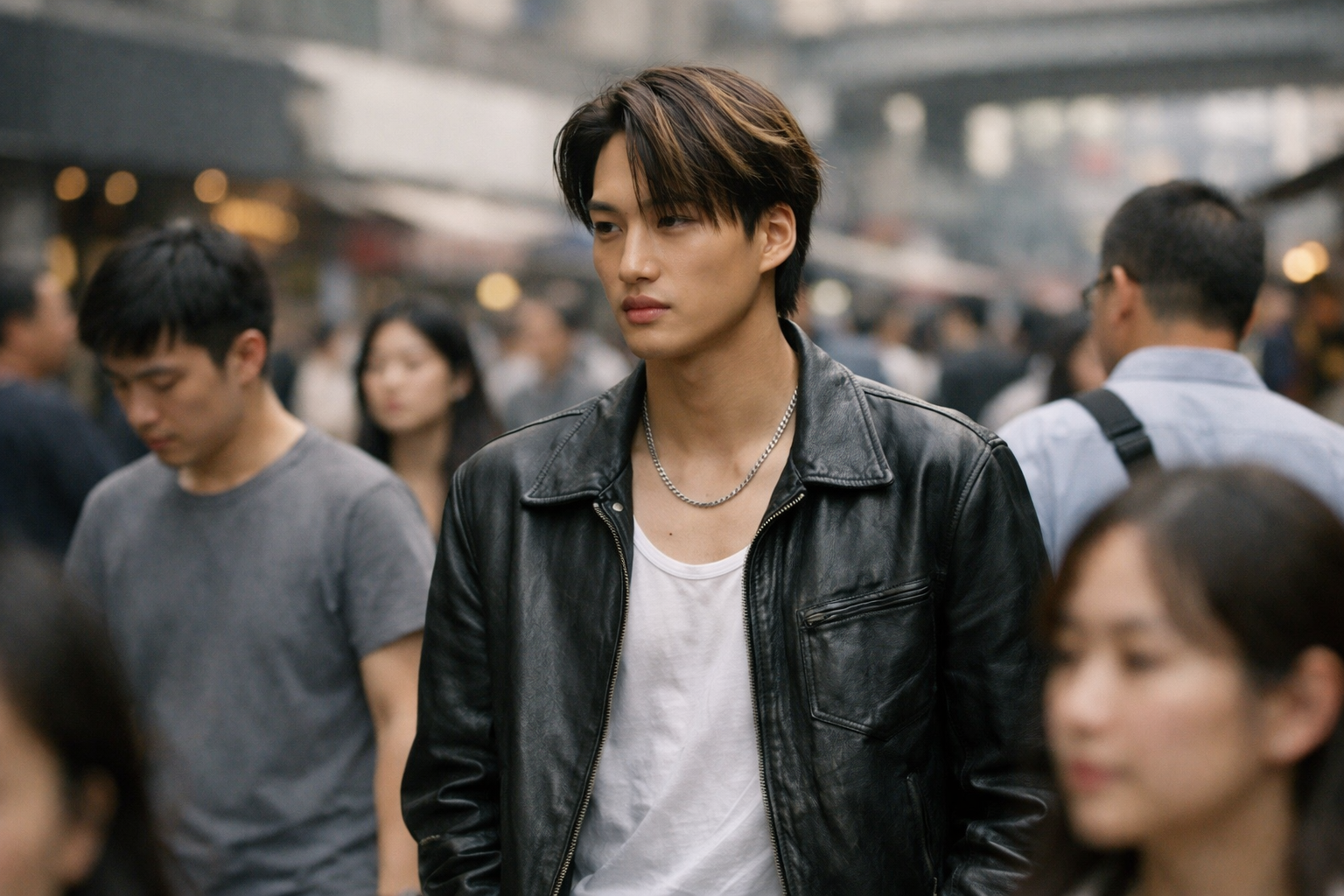
AI-Generated Photorealistic Image — All people, scenes, and details in this image are entirely AI-generated and fictional. Not a real photograph of an actual person or event. 이 이미지는 AI로 생성된 가상 이미지입니다.



Leave a Reply