
Table of Contents
Can one conservative commentator shake an entire political party from the outside? That question feels urgent this week, as veteran journalist Cho Gap-je fires sharp criticism at the leadership of Korea’s main opposition party. In a pointed SBS radio interview, Cho Gap-je accused party leader Jang Dong-hyeuk of behavior that deserves formal discipline.
This isn’t just another political spat. Cho Gap-je’s words carry weight in conservative circles, and his target is a sitting party leader. So why does this matter to you, even if you’ve never followed Korean party politics before? Because it reveals deep fractures inside Korea’s conservative movement, fractures that could shape the country’s political future.
Who Is Cho Gap-je and Why Does His Voice Matter?
Cho Gap-je built his reputation as a conservative journalist long before he founded Chogapje.com, a commentary platform that still draws loyal readers today. For decades, he has positioned himself as a guardian of what he calls true conservative values. Many older conservative voters in Korea still see him as a moral compass, not just a pundit.
That’s exactly why his recent remarks landed like a bombshell. When Cho Gap-je speaks, party insiders listen, even when they disagree. His SBS radio interview didn’t just criticize policy choices; it questioned the basic judgment and constitutional literacy of the People Power Party’s current leadership.
Think about that for a moment. This is a respected conservative voice suggesting his own political camp has lost its way. Cho Gap-je didn’t hold back either, naming names and calling for consequences.
He directed his sharpest words at Jang Dong-hyeuk, the current party leader, and Ahn Cheol-soo, a sitting lawmaker. According to Cho Gap-je, both men show a troubling lack of understanding when it comes to Korea’s constitution. That’s a serious charge to level against elected officials, and it set off immediate debate across conservative media.
You might wonder what triggered such a strong reaction. It traces back to a single day, and a single decision that Cho Gap-je found impossible to excuse.
The Constitution Day Boycott That Sparked Outrage
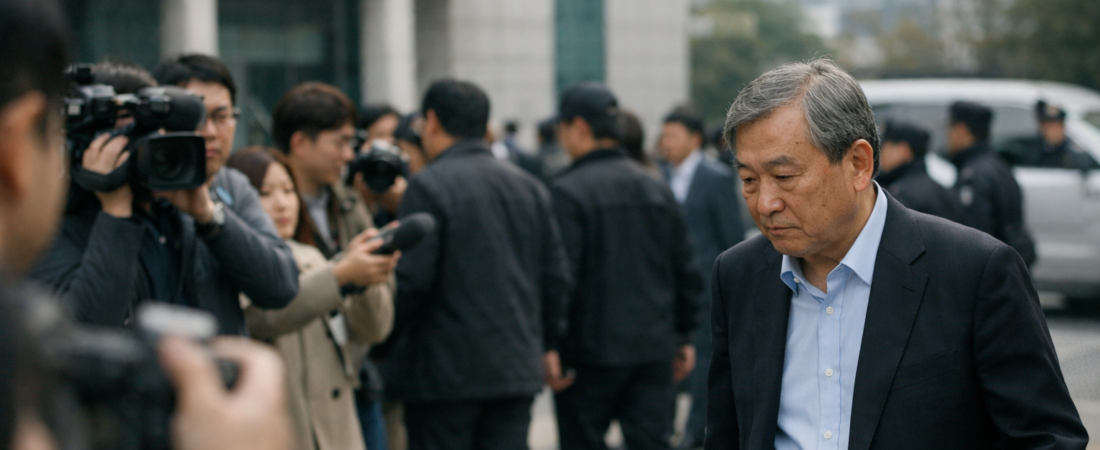
Every July 17, Korea marks Constitution Day, commemorating the 1948 adoption of its founding legal document. It’s not a massive public holiday like Chuseok or Lunar New Year, but it carries deep symbolic weight. National Assembly leaders and party heads traditionally attend the official ceremony to show respect for constitutional democracy.
Jang Dong-hyeuk skipped that ceremony this year. Instead, he chose to attend a rally at Olympic Park, a decision that Cho Gap-je called both tone-deaf and disqualifying.
Why does this small scheduling choice matter so much? Because symbolism carries enormous weight in Korean politics, especially for a party still recovering from the fallout of the December 2024 martial law crisis. Attending a rally instead of a constitutional ceremony sends a message, whether intended or not.
Cho Gap-je argued the message was clear: Jang Dong-hyeuk cares more about factional politics than constitutional order. That’s a harsh reading, but Cho Gap-je didn’t soften it at all. He explicitly said this kind of behavior deserves disciplinary action within the party.
Put yourself in the shoes of an ordinary conservative voter watching this unfold. Would you trust a party leader who skips the one ceremony meant to honor the nation’s legal foundation? Cho Gap-je clearly believes the answer should be no, and he isn’t shy about saying so publicly.
Cho Gap-je’s Warning on Conspiracy Theories and Martial Law Sympathizers
The Constitution Day boycott was only the opening argument. Cho Gap-je went further, linking Jang Dong-hyeuk’s and Ahn Cheol-soo’s behavior to a much bigger problem inside Korean conservatism. He described their public statements as showing weak literacy and shaky grasp of constitutional principles.
That’s a pointed accusation for any politician, let alone a party leader. But Cho Gap-je’s real concern runs deeper than individual gaffes.
He specifically called out the persistence of election fraud conspiracy theories still circulating within conservative ranks. These theories gained traction after the 2024 martial law declaration, when some hardline voices tried to justify the crackdown using unproven fraud claims. Cho Gap-je argues the party must actively clean house, removing sympathizers of that failed martial law attempt rather than tolerating them for the sake of unity.
Is this just one man’s opinion, or does it reflect a wider split? Evidence suggests it’s the latter. Many moderate conservatives share Cho Gap-je’s frustration, worried that conspiracy theories and martial law nostalgia are dragging the party’s credibility down with ordinary voters.
You can see why this matters beyond party walls. When a democracy’s conservative movement struggles to distance itself from anti-constitutional rhetoric, it affects everyone’s trust in the system. Cho Gap-je frames this as an urgent internal cleanup, not a minor disagreement.
For readers wanting more background on Korea’s ongoing political realignment after the martial law crisis, outlets like SBS Radio have covered the broader fallout extensively. That context helps explain why Cho Gap-je’s comments landed with such force this week.
The 2028 Nomination Exclusion List: A New Battle Line
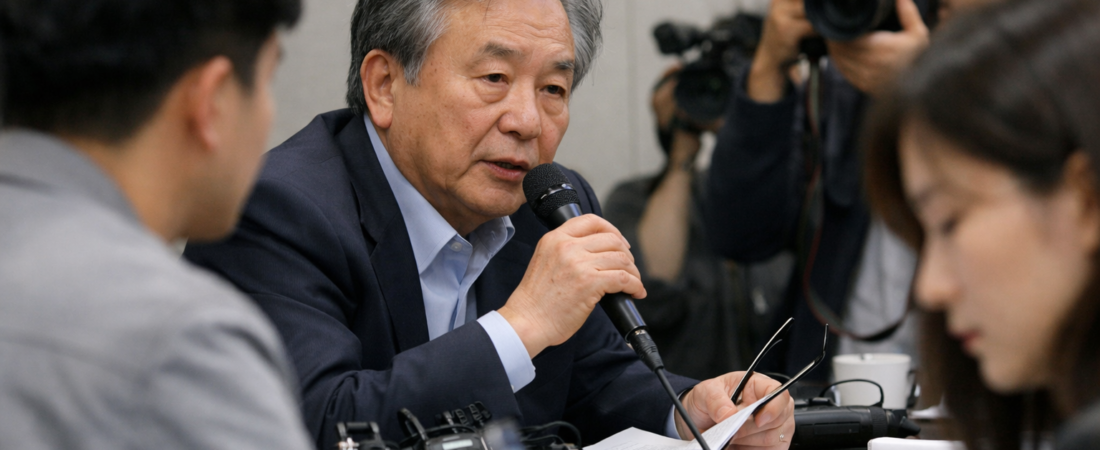
Here’s where Cho Gap-je’s criticism turns from commentary into potential political action. He raised the idea of an outside group compiling a nomination exclusion list ahead of the 2028 general elections. Such a list would name politicians that grassroots conservative groups believe should never receive party nomination again.
This isn’t a hypothetical exercise for Cho Gap-je. He said he’d personally consider joining such an effort, which signals real intent rather than idle talk.
And who tops his hypothetical list? Jang Dong-hyeuk, named directly as the number one candidate for exclusion. Think about what that means for party dynamics over the next three years.
A sitting party leader facing an unofficial blacklist from a respected conservative elder is no small matter. It suggests deep, unresolved tension about the party’s direction, its relationship with the martial law aftermath, and its willingness to confront conspiracy theories head-on. Cho Gap-je’s comments essentially declare that reform must come from outside pressure if internal leadership won’t act.
Could this exclusion list actually gain traction by 2028? That depends on whether other influential conservative voices join Cho Gap-je’s push. History shows that Korean political parties often respond to sustained public pressure, especially from figures with long-standing credibility among the base.
If more commentators, activists, and grassroots organizers echo Cho Gap-je’s concerns, Jang Dong-hyeuk’s position could weaken well before any formal vote happens. That’s the quiet power of reputation in Korean political culture, where public shaming by respected elders can shift outcomes.
Looking Ahead: What This Means for Korea’s Conservative Future
Cho Gap-je’s interview does more than criticize two politicians. It exposes a conservative movement still wrestling with its identity after the martial law crisis. Will the People Power Party choose reform, or will it cling to the same patterns Cho Gap-je warns against?
The coming months will test whether Jang Dong-hyeuk can repair the damage, or whether Cho Gap-je’s warnings become a rallying cry for internal change. Watch how other conservative figures respond to these comments; that reaction will tell you far more than any single interview can.
What do you think about outside commentators like Cho Gap-je shaping the direction of a major political party? Do you see this as healthy democratic pressure, or an overreach into internal party affairs?
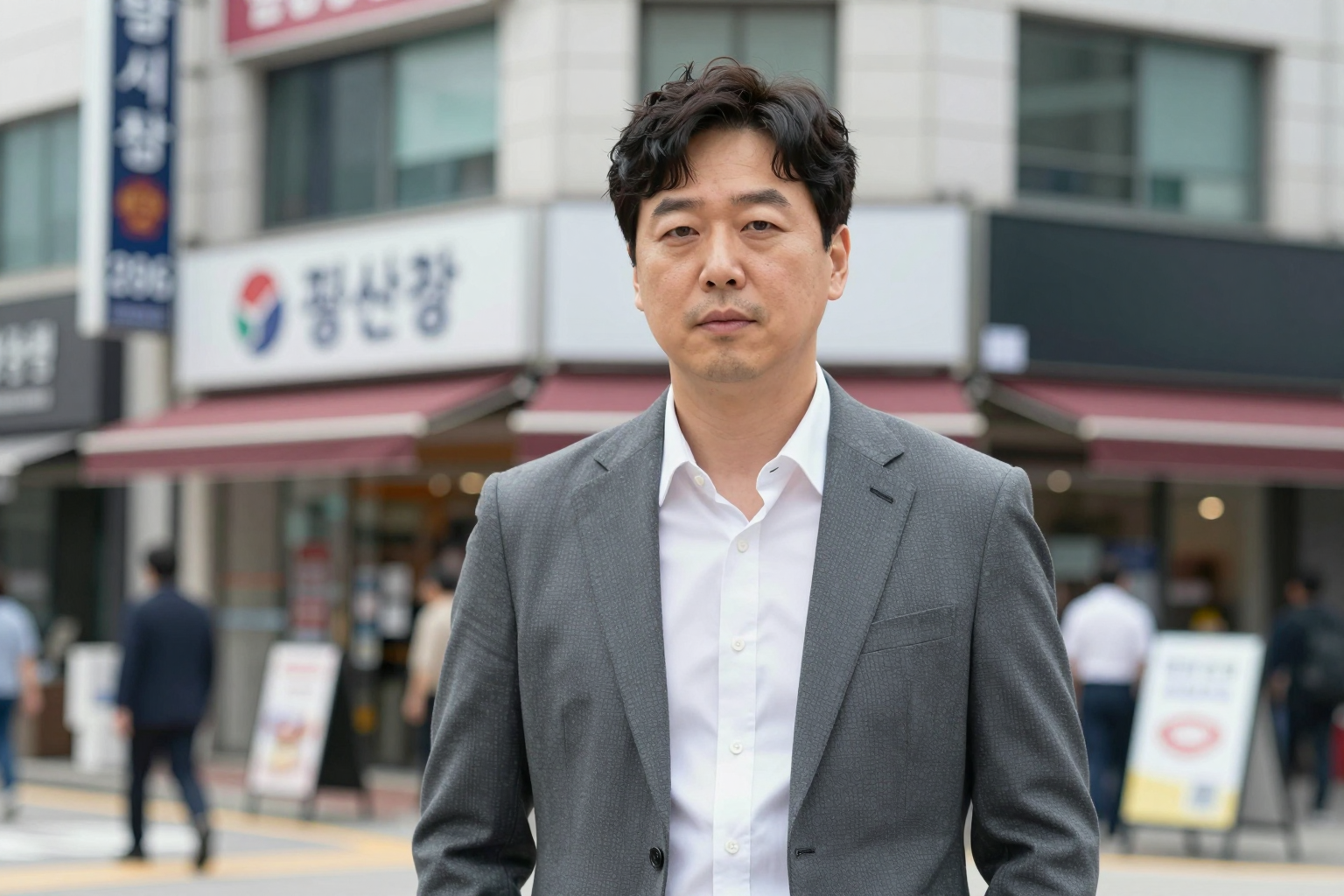
AI-Generated Photorealistic Image — All people, scenes, and details in this image are entirely AI-generated and fictional. Not a real photograph of an actual person or event. 이 이미지는 AI로 생성된 가상 이미지입니다.


Leave a Reply