
Table of Contents
Can a false rumor be as dangerous as a missile? Korean and American military officials seem to think so. That’s why they just ran their first-ever joint tabletop exercise focused entirely on cognitive warfare.
This wasn’t a live-fire drill or a show of tanks and jets. It was something quieter, but arguably just as urgent. Disinformation, they say, is now a real battlefield.
What Actually Happened in This Exercise
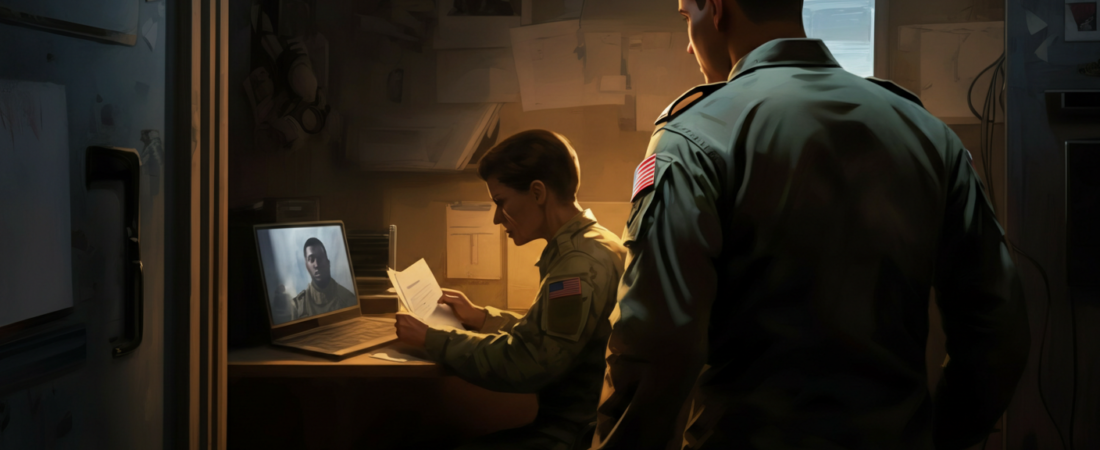
South Korea and the United States held their first combined tabletop exercise designed to counter false information in modern warfare. Multiple Korean government agencies took part, alongside United States Forces Korea (USFK) and the ROK-US Combined Forces Command. That’s a wide coalition for a single training session.
Why gather so many different groups in one room? Because cognitive warfare doesn’t stay in one lane. It touches military communications, government messaging, and civilian information channels all at once.
The exercise focused on two big themes: strategic communication and multi-domain threat response. Participants worked through scenarios where adversaries might spread false narratives to confuse troops, shake public trust, or disrupt decision-making during a crisis. Think of it as a rehearsal for chaos—except the weapon is information, not artillery.
This kind of tabletop format lets officials test their responses without real-world risk. They can ask hard questions in a safe setting. What happens if a fake casualty report goes viral during an actual conflict? Who responds first, and how fast?
Understanding Cognitive Warfare in Today’s Conflicts
Let’s back up for a moment. What exactly is cognitive warfare? In simple terms, it’s the deliberate use of information—true, false, or twisted—to shape how people think and act.
Unlike traditional combat, cognitive warfare doesn’t need bombs or bullets. It needs a smartphone, a social media account, and a convincing story. That makes it cheap, fast, and hard to trace.
Modern conflicts have shown just how powerful this tool can be. Look at recent wars in Europe and the Middle East. Both sides have used doctored videos, fake casualty numbers, and coordinated bot networks to shift public opinion.
South Korea faces its own unique version of this threat. North Korea has a long history of propaganda efforts aimed at the South. Cognitive warfare simply gives that old strategy a digital upgrade.
Here’s the tricky part. Cognitive warfare doesn’t always look like an attack. A single misleading headline might seem harmless at first. But multiply that across millions of shares, and you get a population that no longer trusts its own government or military. That’s the real danger—not one lie, but an entire information ecosystem built on doubt.
Defense analysts increasingly compare this to a new kind of arms race. Countries aren’t just building better missiles anymore. They’re building better ways to detect and counter false narratives before those narratives spread. You could say the front line has moved from the battlefield to the newsfeed.
Why Korea-US Cooperation on Cognitive Warfare Matters

So why does this joint exercise matter so much? Because no single country can fight cognitive warfare alone. Information doesn’t respect borders, and neither do the actors who weaponize it.
The Republic of Korea and the United States have shared a military alliance for over seven decades. That alliance has always focused on conventional deterrence—troops, equipment, joint command structures. Now it’s expanding into the information domain, and that shift says a lot about how warfare itself is changing.
Combined Forces Command already coordinates wartime operations between the two nations. Adding cognitive warfare planning to that structure makes sense. If a crisis hits, military and civilian communication channels need to stay aligned, not scattered.
Consider what happens without this coordination. Imagine a fast-moving crisis where Korean government agencies issue one message, USFK issues another, and social media fills the gap with rumors. Confusion spreads faster than facts. That’s exactly the outcome this exercise tried to prevent.
Strategic communication was a core focus for good reason. When allies speak with one voice, false narratives have less room to grow. When they don’t, adversaries exploit every crack.
Experts who study military alliances often note that trust between partners is built long before any real conflict begins. Joint exercises like this one create shared habits and shared language. That groundwork matters when speed and clarity become critical.
For readers wanting deeper background on how allied militaries structure joint threat response, resources like Yonhap News Agency offer useful context on evolving defense cooperation frameworks.
What Comes Next: UFS and Beyond
Military planners aren’t stopping at one tabletop session. They’re already looking at how to fold these lessons into next month’s Ulchi Freedom Shield (UFS) exercise. UFS is one of the largest annual joint military drills between South Korea and the United States.
Bringing cognitive warfare planning into UFS would mark a significant step. It signals that countering disinformation isn’t a side project anymore. It’s becoming part of core defense planning.
Will this shift change how allied forces train going forward? Quite possibly. If cognitive warfare threats keep growing—and most signs suggest they will—expect more joint exercises like this one in the years ahead.
There’s also a broader lesson here for how nations think about national security. Traditional metrics like troop numbers and weapons stockpiles still matter. But information resilience is quickly becoming just as important.
South Korea’s approach reflects a growing global trend. NATO, for instance, has spent years developing its own strategic communication units to counter hybrid threats. South Korea and the United States now seem to be moving in a similar direction, tailored to the unique pressures of the Korean Peninsula.
What should ordinary citizens take from all this? Simply put, awareness matters. Understanding that cognitive warfare exists—and knowing how it operates—makes people more resistant to manipulation. That resilience, multiplied across millions of citizens, becomes its own kind of national defense.
Looking ahead, this first joint exercise probably won’t be the last. As digital threats evolve, expect Korea and the United States to keep refining their cognitive warfare playbook together. The next UFS drill will offer an early test of how well these lessons translate into real coordination under pressure.
What do you think—should information defense now be treated as seriously as traditional military defense?




Leave a Reply