
Table of Contents
Can a rookie group really make this much noise in just one year? Cortis just proved the answer is yes. This week, the five-member K-pop act celebrated the first anniversary of its debut, and the numbers tell a story worth paying attention to.
Since launching in August 2025, Cortis has quietly rewritten expectations for what a new group can achieve. You might expect a debut act to spend its first year finding its footing. Cortis spent its first year setting records instead.
Cortis Marks a Milestone Debut Anniversary
Tuesday’s anniversary was more than a symbolic date on a calendar. It marked the close of a breakout year for Cortis, one filled with record-setting achievements rarely seen from a rookie group. Members Martin, James, Juhoon, Seonghyeon, and Keonho used the occasion to reflect on how far they’ve come.
Their message was simple but confident. Cortis vowed to “keep pushing forward,” a phrase that captures the group’s whole approach to their craft. Why does that phrase matter so much here?
Because Cortis isn’t just performing songs written and produced by others. They are shaping their own creative direction from day one. That kind of ownership is rare for a group still in its first year, and it explains why so many industry watchers are paying close attention.
The group’s second EP, “Gree,” has become a key marker of this growth. Follow-up releases like this often reveal whether a debut act has staying power. Cortis appears determined to answer that question with more music, not just words.
What Makes Cortis Different From Other Rookies

K-pop debuts happen constantly. So what actually separates Cortis from the dozens of other groups launched around the same time?
The answer lies in how Cortis works, not just what they perform. This five-member team writes its own music. It also creates its own videos and choreography, a rare combination for any rookie act.
Most new groups rely heavily on established producers, choreographers, and outside creative teams. That system has worked for decades in the Korean music industry, and it still produces excellent results. Cortis chose a different path, betting on its own creative instincts instead.
This self-producing model carries real risk. Without a large outside team, mistakes become harder to hide, and creative gaps are more visible to fans and critics alike. Yet Cortis has turned that risk into part of its appeal, presenting authenticity as a selling point rather than a liability.
For readers curious about the broader industry context around this kind of self-directed group, outlets like Korea Herald have tracked how self-producing acts are reshaping expectations across K-pop. Fans increasingly want to see the people behind the curtain, not just polished final products. Cortis seems built for exactly that shift in taste.
The “Young Creator Crew” Identity

Nicknames matter in K-pop. They shape how fans and the public understand a group’s identity long before any deep analysis begins.
Cortis carries the nickname “Young Creator Crew,” and it fits with real precision. The label points directly to the group’s hands-on role in producing music, videos, and choreography. It also signals something bigger: a generational shift in who gets to make creative decisions.
Older K-pop models often placed creative control firmly in the hands of veteran producers and agency executives. That approach built the global K-pop wave we know today, and it deserves real credit for the industry’s success. But younger artists increasingly want a hand in shaping their own image, sound, and message.
Cortis represents that younger, more independent generation almost perfectly. Does that mean older production models are becoming outdated? Not necessarily — many successful groups still thrive under traditional structures, and both approaches can coexist within the same industry.
What Cortis shows us is that there’s room for a different path, one where young artists carry more creative weight from the very start. That kind of shift takes courage, and it takes trust from the agencies backing these young creators. It also takes real skill, since self-production offers no one to blame when something falls short (a pressure most rookie groups never have to feel this early).
What Comes Next for Cortis
One strong year doesn’t guarantee a long career. K-pop history is full of groups with explosive debuts that struggled to sustain momentum into year two and beyond.
So what should fans watch for next from Cortis? Continued output matters most. A group built on self-production needs a steady stream of new music, visuals, and ideas to prove its first year wasn’t a lucky exception.
Growth also matters in a quieter, more personal sense. Every young creative team faces the tension between staying true to its original vision and adapting as pressure and expectations grow. That tension isn’t unique to K-pop; it shows up anywhere young people are asked to create under a bright public spotlight, whether in music, art, or any creative field.
There’s something genuinely hopeful in watching young artists claim more ownership over their own work. It reflects a broader human instinct to create, to shape meaning out of raw effort rather than simply follow instructions. At the same time, that same independence can bring quiet exhaustion, since carrying full creative responsibility at a young age leaves little room to hide struggles behind a larger team.
The healthiest path forward likely involves balance rather than total self-reliance. Groups like Cortis may keep leading creatively while still leaning on trusted mentors and collaborators when needed. That blend of independence and support, rather than either extreme alone, tends to produce careers that last well beyond a breakout first year.
Cortis has already shown the industry something valuable in just twelve months. The bigger question is whether that creative momentum can hold steady over years, not just months. What do you think about young K-pop artists taking full creative control this early in their careers?
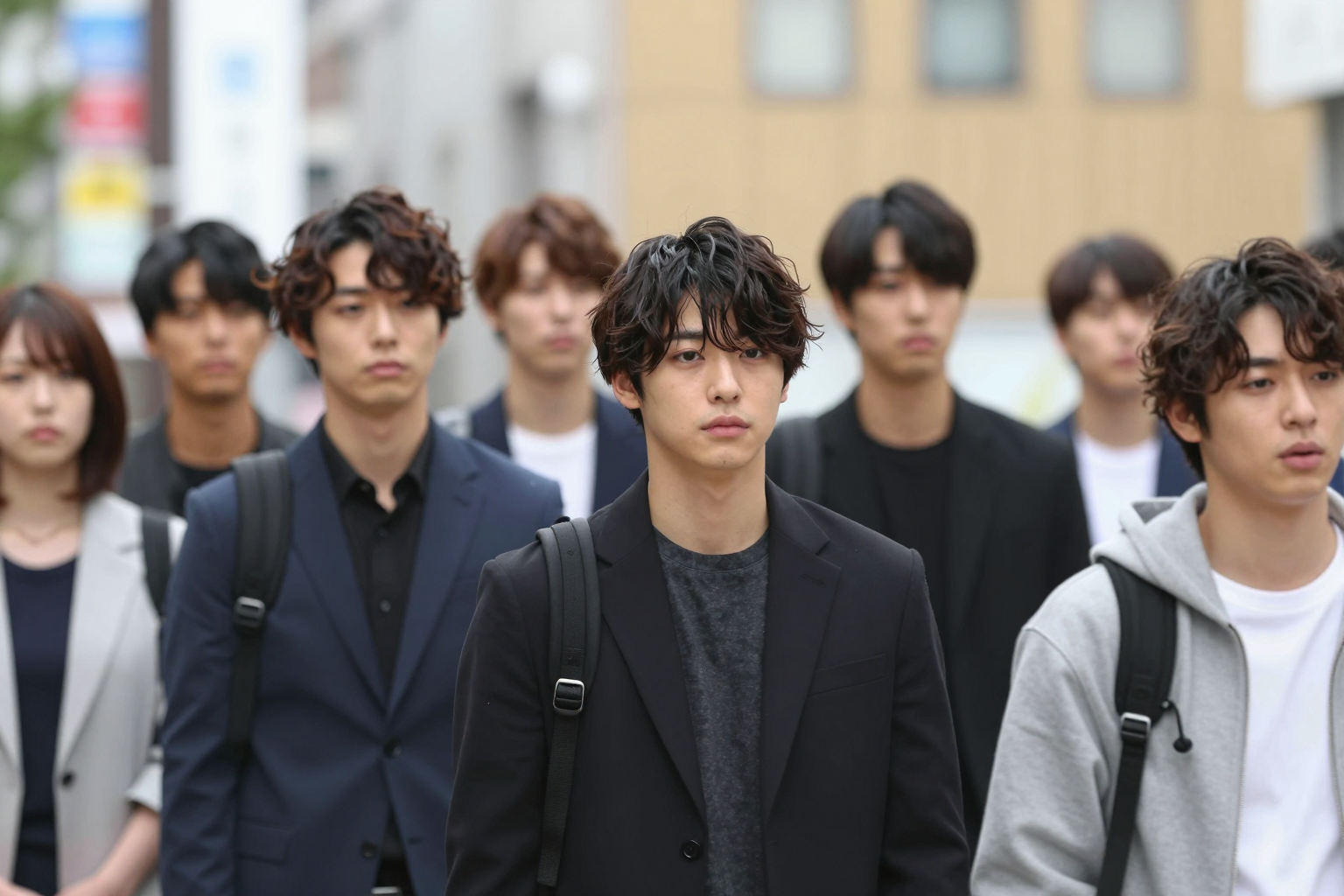
AI-Generated Photorealistic Image — All people, scenes, and details in this image are entirely AI-generated and fictional. Not a real photograph of an actual person or event. 이 이미지는 AI로 생성된 가상 이미지입니다.



Leave a Reply