Table of Contents
Can one committee vote change how criminal cases work in Korea? That’s exactly what’s happening with the Criminal Procedure Act amendment moving through the National Assembly this week. The bill would strip prosecutors of their power to demand supplementary investigations, and it just cleared a key subcommittee amid heated protest.
This isn’t a quiet procedural update. It’s the latest chapter in a years-long fight over who controls criminal investigations in Korea. And the way this Criminal Procedure Act amendment passed tells you a lot about where Korean politics stands right now.
What Is the Criminal Procedure Act Amendment?
Let’s break down what actually happened. The Criminal Procedure Act amendment passed the National Assembly’s Legislation and Judiciary Committee, First Subcommittee for Bill Review. The pro-government bloc pushed it through, and the core change is simple to state but hard to overstate: it abolishes prosecutors’ supplementary investigation authority.
What does that authority even mean? In plain terms, it lets prosecutors send a case back for more investigation when they think police work is incomplete. Remove that power, and prosecutors lose a key tool for double-checking police findings before deciding whether to indict someone.
Sounds technical, right? But this single change touches every criminal case in Korea, from petty theft to corruption investigations.
The Democratic Party of Korea is driving this Criminal Procedure Act amendment forward, and they’re moving fast. Today’s plan includes a full committee session, followed by a push for a floor vote at the plenary session tomorrow. That’s an aggressive timeline for a bill this consequential.
Why Prosecutors’ Supplementary Investigation Power Matters
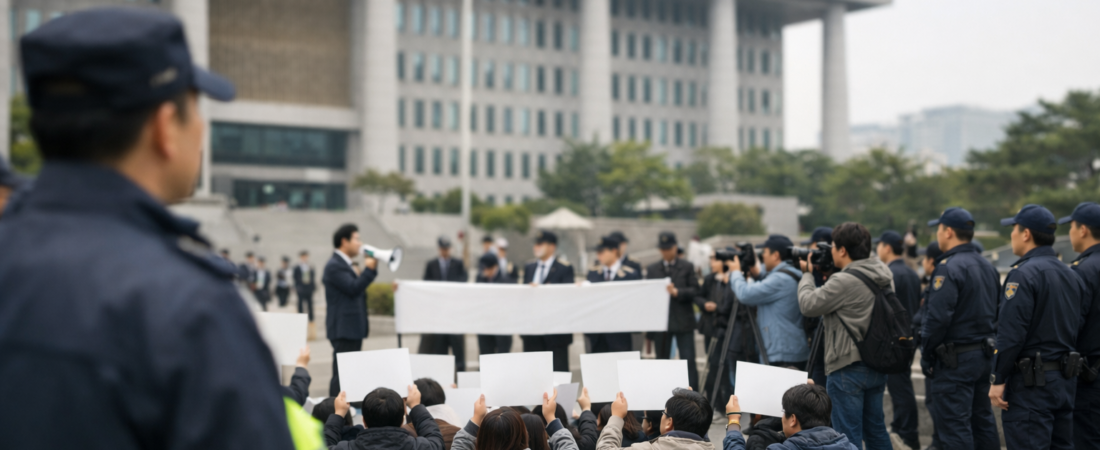
Here’s the bigger picture you need to understand. Korea has been restructuring its prosecution system for years now. Back in 2020 and 2022, lawmakers already stripped prosecutors of most direct investigative powers, handing more authority to police and a new anti-corruption agency.
Supplementary investigation power was one of the few checks prosecutors kept after those earlier reforms. Think of it as a safety net. If police missed evidence or rushed a conclusion, prosecutors could ask for another look before charges moved forward.
Remove that net, and what happens to weak or incomplete police investigations? Supporters of the Criminal Procedure Act amendment argue prosecutors have used this power to slow-walk cases or push their own agenda. Critics counter that eliminating it removes a critical safeguard against wrongful prosecution or, just as troubling, against cases falling apart from insufficient evidence.
You can see why this debate cuts deep. It’s not just about legal procedure. It’s about the balance of power between two of Korea’s most influential institutions: the police and the prosecution.
For readers unfamiliar with Korean legal history, prosecutorial reform has been a defining political fight for nearly a decade. Each ruling party has tried to reshape this balance according to its own vision of fairness and accountability. The Criminal Procedure Act amendment now on the table represents the next move in that ongoing chess match.
Walkouts and Warnings: How the Vote Unfolded
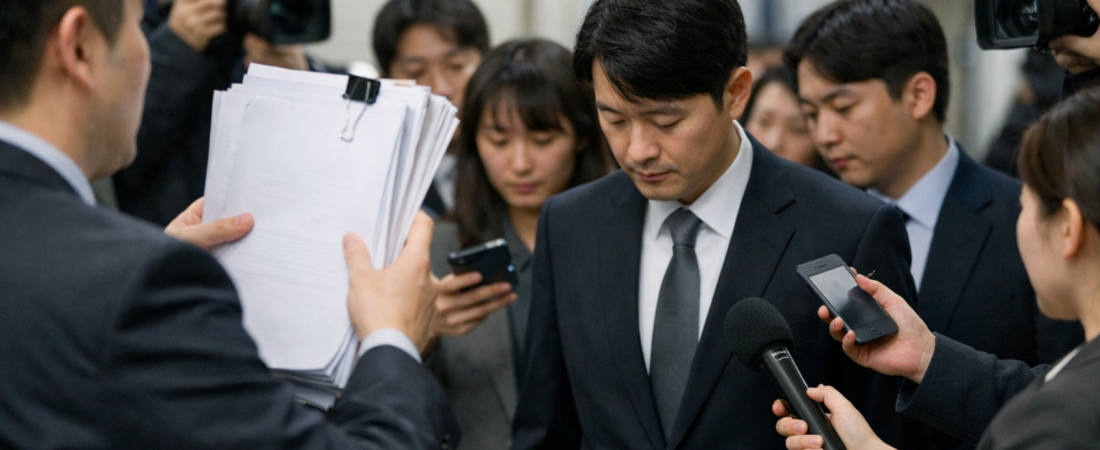
Politics rarely stays calm when stakes run this high. People Power Party lawmakers walked out of the subcommittee meeting entirely. Their argument? There simply wasn’t enough time to properly review the Criminal Procedure Act amendment before the vote.
Is that a fair complaint, or just a delay tactic? Both sides would answer differently, and that’s the nature of contested legislation like this. What’s clear is that the walkout didn’t stop the bill. The pro-government majority pushed it through the subcommittee anyway.
Now the Democratic Party wants to keep momentum going. Today’s full committee session and tomorrow’s planned plenary vote suggest a clear strategy: move quickly before opposition resistance can organize further.
But the People Power Party still has one major tool left. If they file a filibuster at the floor vote, Korean parliamentary rules allow debate to stretch out significantly. Under this scenario, reports suggest the Criminal Procedure Act amendment could still pass, but likely not until around the 31st.
A filibuster wouldn’t kill the bill. In Korea’s current parliamentary makeup, the pro-government bloc holds enough seats to eventually overcome delay tactics. What a filibuster does is buy time, force public debate, and put pressure on public opinion before the final vote happens.
For readers who follow parliamentary procedure elsewhere, this dynamic will feel familiar. You’ve likely seen similar filibuster battles in the U.S. Senate or the UK Parliament. Korea’s National Assembly operates under its own version of this same basic tension: majority power versus minority delay.
What Comes Next for Korea’s Justice System
So where does this leave Korea’s justice system? The Criminal Procedure Act amendment, if it passes as expected, will mark another significant shift in prosecutorial power. Prosecutors will lose one more tool they’ve used to double-check police work.
What happens to case quality without that check? That question deserves serious attention going forward. Police will carry more independent responsibility for building solid, complete investigations from the start.
Legal scholars and practitioners are watching closely. You can find ongoing analysis of Korea’s shifting prosecution-police balance through sources like Yonhap News Agency, which has tracked these reforms since they began years ago.
For everyday Koreans, the impact may not feel immediate. But over time, how investigations are conducted and how quickly cases move through the system will shift. Fewer prosecutorial check-backs could mean faster case processing, but potentially at the cost of thoroughness.
Will this Criminal Procedure Act amendment ultimately strengthen public trust in Korea’s legal system, or weaken it? That remains an open question. Much depends on how well police handle their expanded independent responsibility once this change takes full effect.
One thing seems certain. This won’t be the last chapter in Korea’s prosecution reform story. Given the pattern of the past decade, expect more legislative battles over investigative power in the years ahead.
What do you think about Korea’s approach to reforming prosecutorial power through changes like this Criminal Procedure Act amendment?
AI-Generated Photorealistic Image — All people, scenes, and details in this image are entirely AI-generated and fictional. Not a real photograph of an actual person or event. 이 이미지는 AI로 생성된 가상 이미지입니다.