Table of Contents
Can a religious group quietly reshape a national political party? That question now hangs over the Democratic Party of Korea. Just weeks before its national convention, a scandal about alleged mass enrollment by Shincheonji members has thrown the leadership race into chaos.
Two front-runners, Kim Min-seok and Jung Chung-rae, are trading sharp accusations. Their fight is not just about one controversy. It reveals deeper tensions inside the Democratic Party about identity, trust, and future alliances.
A Leadership Race Turns Into a Scandal
Every party convention has drama. But this one feels different for the Democratic Party.
Candidates are supposed to debate policy, vision, and leadership style. Instead, the spotlight has shifted to allegations that members of the Shincheonji religious group joined the party in large, coordinated numbers. Why does this matter so much?
Because party membership determines voting power inside a convention. If outside groups can flood membership rolls, they can influence who leads a major political party. That possibility alone has triggered alarm across the Democratic Party’s leadership contest.
Kim Min-seok has pushed this issue into the open. He argues the allegations are no longer a private rumor. They have become, in his words, a matter of public concern that the Democratic Party cannot ignore.
Jung Chung-rae sees it differently. He calls the accusations a political attack designed to derail his campaign. According to him, such tactics will not succeed against a party built on grassroots democracy.
Understanding the Shincheonji Allegations
Shincheonji is a religious movement that has faced public scrutiny in Korea before, especially during the early COVID-19 outbreak in 2020. That history makes any political connection instantly sensitive.
The current allegation is specific: that Shincheonji members joined the Democratic Party in unusually high numbers, possibly to influence the outcome of the internal leadership vote. Is this proven fact or unverified suspicion? As of now, it remains an allegation, not a confirmed finding.
Still, the accusation carries weight because of how party conventions work. Membership numbers directly translate into voting influence at Democratic Party events. A sudden spike in new members from one specific group naturally raises questions.
Kim Min-seok has been the more aggressive voice here. He insists that the issue deserves formal investigation, not political spin. For him, silence would damage public trust in the Democratic Party’s internal democracy.
Jung Chung-rae, meanwhile, frames the entire episode as manufactured pressure. He suggests rivals are using unverified claims to weaken his standing before votes are cast. This disagreement over motive, not just fact, is what makes the dispute so intense.
Korean politics has a long history of factional battles inside major parties, and membership disputes are not new. Yet rarely has a religious group’s name become this central to a leadership contest. That alone tells you how unusual this moment is for the Democratic Party.
Kim Min-seok vs. Jung Chung-rae: Two Strategies Collide
Every candidate needs a strategy, and these two are choosing very different paths. Kim Min-seok is betting on transparency and pressure. By calling for public accountability, he positions himself as the candidate willing to clean house inside the Democratic Party.
Jung Chung-rae is betting on resilience and counterattack. He frames himself as a target of political maneuvering, someone who refuses to be shaken by unverified claims. Which approach will resonate more with party members?
That depends on how ordinary Democratic Party members interpret the controversy. If they see genuine risk to internal democracy, Kim Min-seok’s aggressive stance could gain support. If they see political theater instead, Jung Chung-rae’s defiant posture might win sympathy.
Beyond the Shincheonji dispute, the two candidates also disagree on something equally important: whether the Democratic Party should pursue integration with the Rebuilding Korea Party, founded by former Justice Minister Cho Kuk. This question adds another layer to their rivalry.
Party integration is never simple. It involves merging leadership structures, aligning policy platforms, and managing competing loyalties among members. Kim Min-seok and Jung Chung-rae reportedly hold different views on how, or whether, this integration should move forward for the Democratic Party.
You can see why this convention has become so consequential. It is not one debate, but two intersecting ones: internal trust and external alliance. Both issues will shape how the Democratic Party positions itself heading into future elections.
What This Means for the Democratic Party’s Future
Why should readers outside Korea care about an internal party dispute? Because the Democratic Party remains one of the most powerful political forces shaping Korea’s national direction. Its leadership choice will influence policy, legislative strategy, and relations with other parties for years ahead.
If the Shincheonji allegations are confirmed, the Democratic Party may need to overhaul its membership verification systems. That kind of reform could set a precedent for other Korean political parties facing similar risks. Trust in internal democracy is not just a domestic issue; it affects how credible Korean political institutions appear on the global stage.
There is also the integration question with the Rebuilding Korea Party. A merger, or even a closer alliance, would reshape the progressive political landscape in Korea. It could consolidate voter bases, but it could also create friction between differing ideological wings within the Democratic Party.
For readers following Korean politics closely, this convention offers a case study in modern party democracy under strain. Coverage from outlets like Yonhap News Agency shows how quickly allegations can dominate a leadership narrative. It also shows how candidates manage crisis communication in real time.
What happens next depends on verification of the allegations and how party members respond at the ballot. Will the Democratic Party choose the candidate promising transparency, or the one promising resistance to outside interference? Either way, this convention will likely influence the party’s internal culture for the next several years.
So here is the real question for you: does a controversy like this strengthen a party’s democracy by forcing accountability, or does it weaken public trust by turning leadership races into scandal battles? What do you think about how the Democratic Party is handling this challenge?
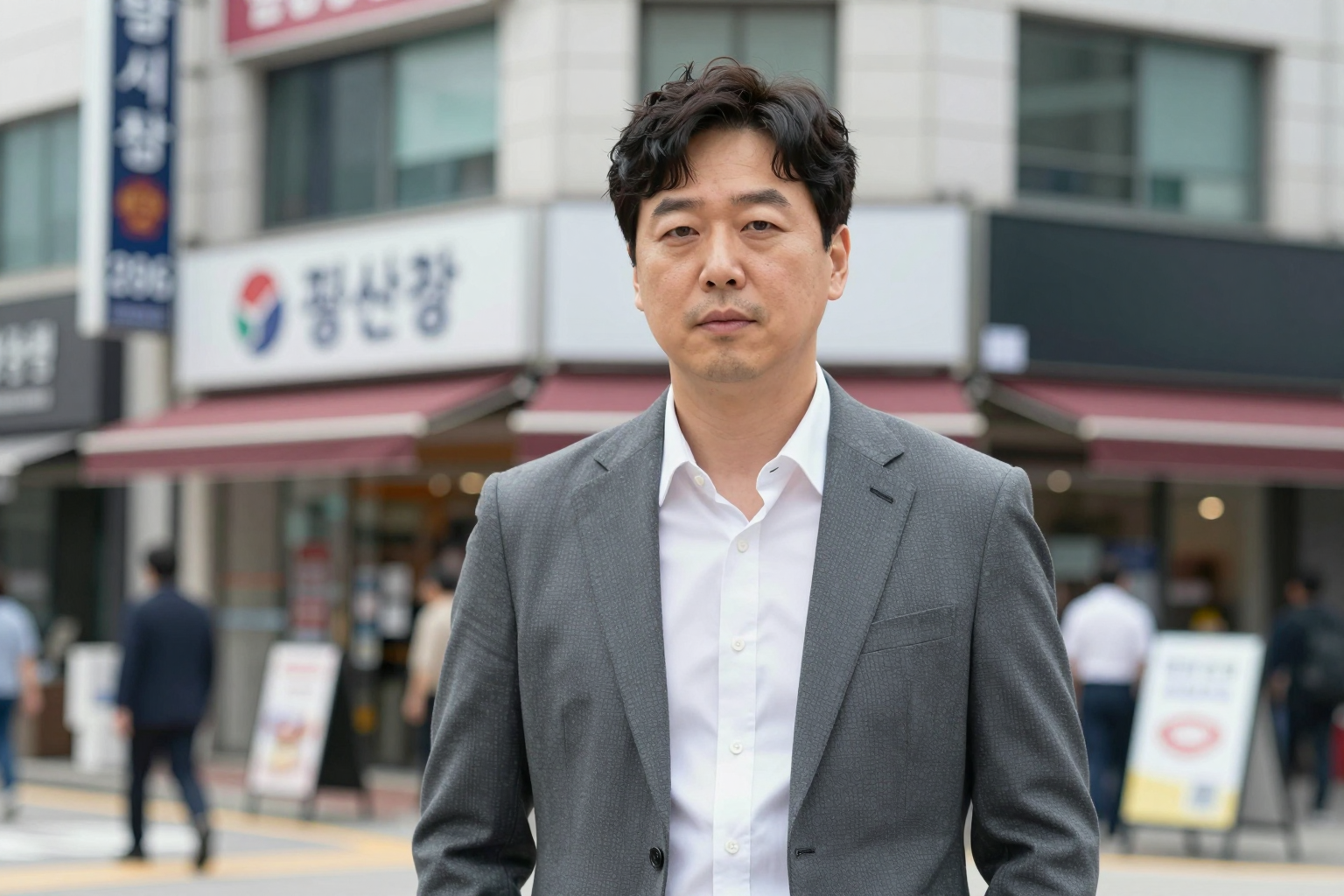
AI-Generated Photorealistic Image — All people, scenes, and details in this image are entirely AI-generated and fictional. Not a real photograph of an actual person or event. 이 이미지는 AI로 생성된 가상 이미지입니다.


Leave a Reply