Table of Contents
Why the Democratic Party National Convention Is Making Headlines
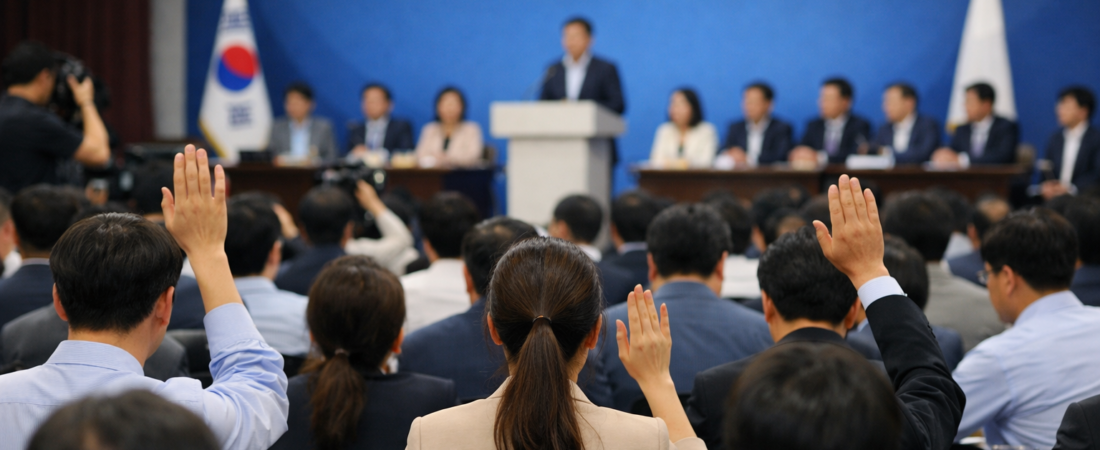
Can a party leadership race turn ugly enough to involve police reports? The Democratic Party National Convention is proving that it can. As candidates race toward the final vote, personal attacks have replaced policy debates almost entirely.
You might expect a party convention to focus on vision and strategy. Instead, this one has become a story about old remarks, religious controversy, and even property damage. That contrast tells you something important about where Korean party politics stands today.
Former party leader Jung Cheong-rae and former Prime Minister Kim Min-seok now stand at the center of this storm. Their exchange has pulled the entire Democratic Party National Convention into a spotlight nobody planned for. Let’s break down what actually happened, and why it matters.
Understanding the Convention and Its Candidates
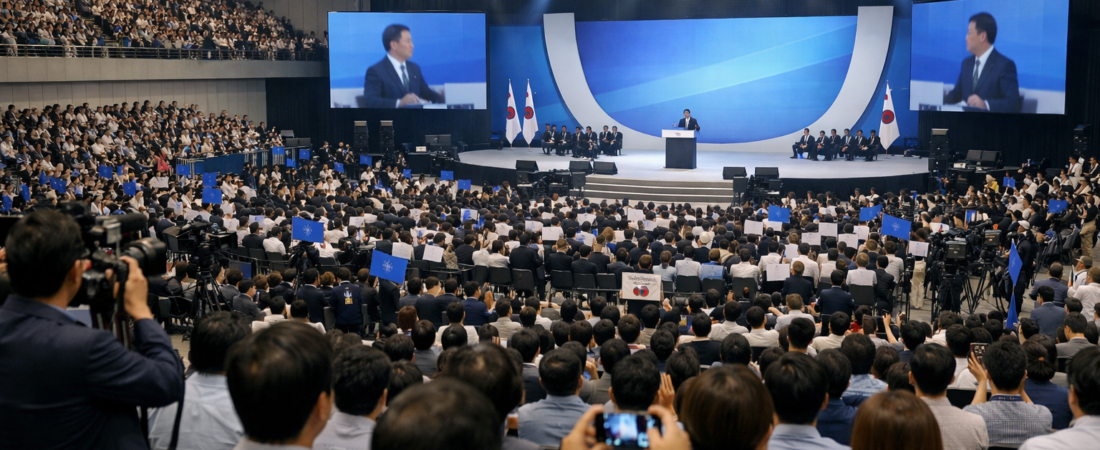
The Democratic Party of Korea holds its national convention to elect a new party chair. This position matters more than it sounds. Whoever wins will shape the party’s direction heading into future elections.
Jung Cheong-rae served previously as the party’s leader. He knows the internal machinery well, and he built a base of loyal supporters during his term. Kim Min-seok brings a different profile, having served as Prime Minister, a role that carries national visibility and executive credibility.
Why does this matchup feel so tense? Because both men represent different visions for the party’s future, and both have real institutional power behind them. When two heavyweight figures compete for the same seat, sharp elbows tend to follow.
The Democratic Party National Convention was never going to be a quiet affair with these two candidates in the race. Each side has supporters ready to defend their preferred candidate online and in public forums. That dynamic sets the stage for the conflict now unfolding.
Kim Min-seok, Shincheonji, and the Factionalism Charge
Jung Cheong-rae opened the latest round of attacks. He raised questions about remarks Kim Min-seok made in the past, suggesting they deserve renewed scrutiny now that Kim seeks the top party post. Old statements, it turns out, rarely stay buried in Korean politics.
Kim Min-seok did not stay silent. He fired back at Jung’s camp, accusing them of promoting factionalism within the party. Have you noticed how “factionalism” always becomes the go-to accusation when internal party unity breaks down? It carries real weight in Korean political culture, where party cohesion often determines electoral success.
Kim also raised a more sensitive topic: an issue connected to Shincheonji, a controversial religious organization in Korea. Shincheonji has drawn public attention for years, partly due to its role in early COVID-19 outbreak clusters back in 2020. Linking a political rival to such a group carries serious reputational risk in Korean public life.
This exchange shows how personal the Democratic Party National Convention has become. Instead of debating party platforms, candidates now debate each other’s pasts and associations. For readers outside Korea, this pattern might look familiar—leadership races everywhere tend to drift toward personal attacks when the stakes feel high enough.
If you want deeper background on how Korean political parties structure their leadership elections, resources like Yonhap News Agency offer helpful context on party governance and convention procedures.
Violence on the Campaign Trail: The Vehicle Incident
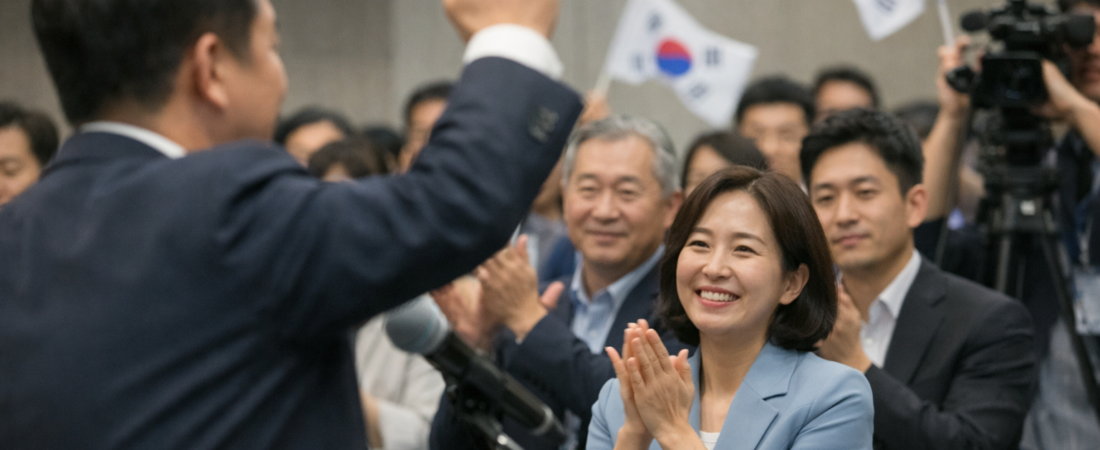
Words are one thing. Physical confrontation is another matter entirely. Jung Cheong-rae’s camp reported something far more serious following one of the recent campaign speeches.
According to Jung’s side, someone kicked and damaged a vehicle connected to their campaign after a public speech event. This is not a minor accusation. Property damage tied to a political dispute usually triggers formal legal action in Korea.
Police are now investigating the incident. Have you ever seen a party leadership race escalate into an actual criminal matter? It happens rarely, but when it does, it signals just how heated internal party competition has become.
This vehicle incident adds a troubling layer to the Democratic Party National Convention narrative. It moves the story beyond rhetoric and into the realm of public safety and law enforcement. Whether the investigation confirms intentional targeting or simple coincidence, the optics alone damage the party’s public image during a sensitive election period.
What This Fight Means for Korean Politics
Step back for a moment. Why should any of this matter to you, even if you don’t follow Korean domestic politics closely?
Party conventions like this one shape who leads major political forces heading into national elections. The winner of the Democratic Party National Convention will influence policy direction, coalition building, and the party’s relationship with the current government. These internal battles often predict how unified—or divided—a party will appear to voters later.
Korean political history offers useful context here. Party conventions have triggered major splits before, sometimes leading to breakaway factions or entirely new parties. The Democratic Party of Korea itself traces its lineage through several mergers and name changes over past decades, each one shaped by internal power struggles similar to what we’re witnessing now.
Does public infighting like this hurt a party’s chances in future elections? Historical patterns suggest it often does, at least in the short term. Voters tend to notice when party unity breaks down publicly, and opposition parties are quick to highlight these divisions as evidence of dysfunction.
Jung Cheong-rae and Kim Min-seok both understand these stakes. Neither candidate can afford to appear weak, yet neither can afford to look like they’re tearing the party apart either. That tension explains why the accusations keep escalating even as the actual convention date draws closer.
Looking ahead, the outcome of this Democratic Party National Convention will tell us something important about the party’s internal culture. Will members reward the candidate who fought hardest, or will they favor whoever appears most capable of healing these divisions? The police investigation into the vehicle incident may also influence public perception before votes are cast.
What do you think about this kind of internal conflict shaping Korea’s political future? Does it strengthen accountability within the party, or does it simply expose damaging divisions at the worst possible moment?
AI-Generated Photorealistic Image — All people, scenes, and details in this image are entirely AI-generated and fictional. Not a real photograph of an actual person or event. 이 이미지는 AI로 생성된 가상 이미지입니다.


Leave a Reply