Table of Contents
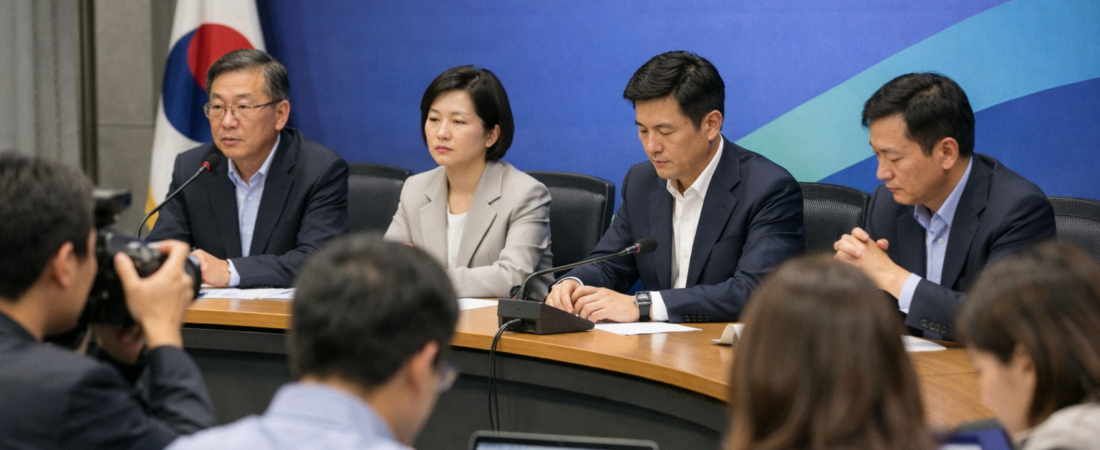
Why would a ruling party want to extend an investigation into its own political rivals? That’s the question hanging over the National Assembly this week. The Democratic Party of Korea is moving to push through a bill that gives a special counsel team 30 more days to finish its work.
This isn’t a small procedural tweak. It’s a fight over how far investigative power should reach, and who gets to control the clock. Let’s break down what’s actually happening and why it matters.
Why Is the Democratic Party of Korea Pushing This Bill?
The bill in question amends the law governing the second comprehensive special counsel investigation. The Democratic Party of Korea plans to bring this amendment directly to the National Assembly’s plenary session. If passed, the special counsel team gets an additional 30 days to complete its probe.
Why does timing matter so much here? Special counsel investigations in Korea often run against tight statutory deadlines. When a case involves complex financial records or multiple witnesses, 30 extra days can decide whether prosecutors finish the job or leave it incomplete.
The Democratic Party of Korea argues this extension is necessary for a thorough investigation. Critics, naturally, see it differently. Is more time about justice, or is it about political leverage? That question sits at the heart of this entire debate.
What the Amendment Actually Changes
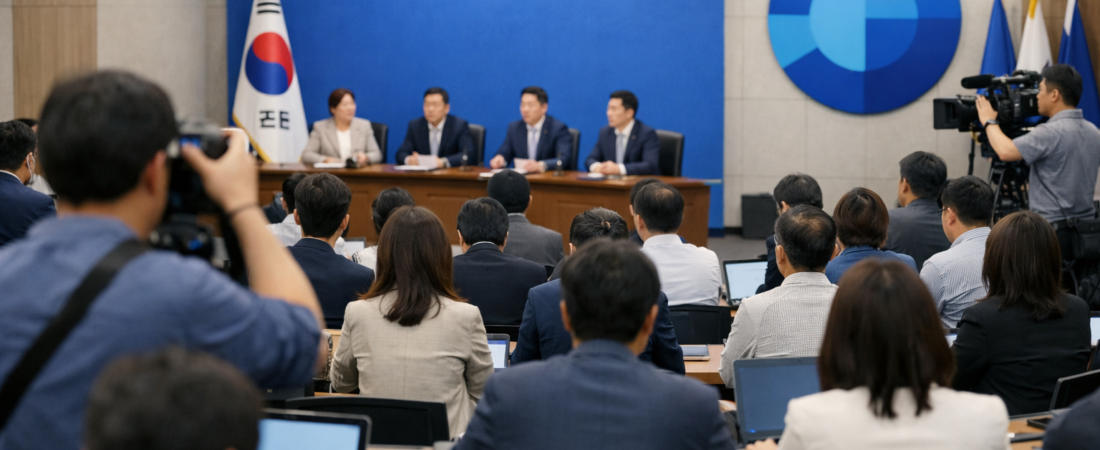
The proposed changes go beyond a simple time extension. Three major additions stand out, and each one expands the special counsel’s operational reach.
First, the amendment adds new categories of “obstruction of investigation” as punishable offenses. This means anyone who interferes with the special counsel’s audit process could face legal consequences. Second, it expands the number of government officials who can be dispatched to assist the special counsel team.
- Expanded definition of investigative obstruction, including audit interference
- More government personnel assigned to support special counsel operations
- Designated prosecuting attorneys to maintain indictments through trial
The third change might be the most consequential. The bill allows for designated attorneys to maintain prosecution even after the special counsel’s official term ends. Think about what this means practically. Even if the 30-day extension runs out, the legal case doesn’t necessarily stop moving forward.
This detail reveals something important about the Democratic Party of Korea‘s strategy. They’re not just buying time. They’re building a legal framework designed to survive beyond any single deadline.
The People Power Party’s Response and the Coming Filibuster
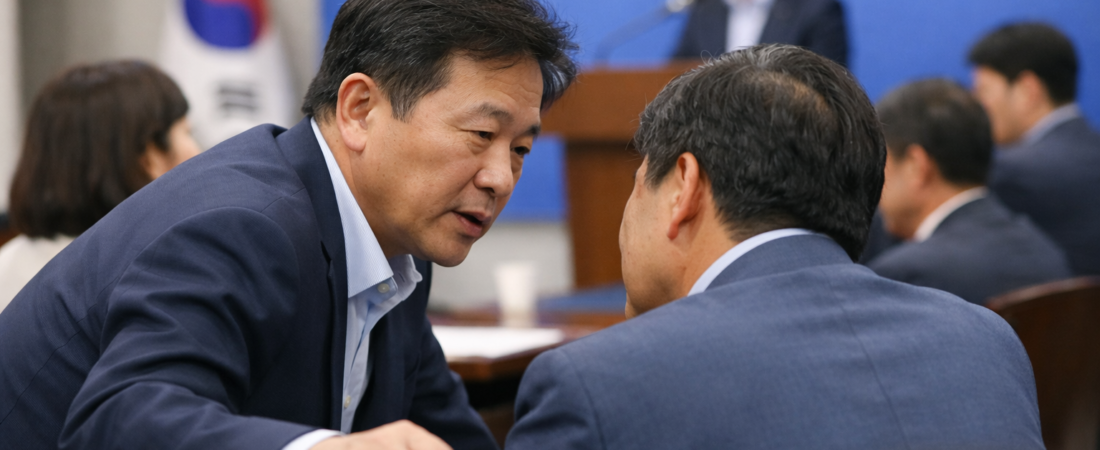
The opposition isn’t taking this quietly. The People Power Party has scheduled a general assembly of its lawmakers, followed by a public rally condemning the bill. Their message is clear: this amendment goes too far.
What happens after the bill hits the floor? According to plans, People Power Party lawmakers intend to launch a filibuster the moment the amendment is formally introduced at the plenary session. A filibuster in Korea’s National Assembly means extended floor speeches designed to delay a vote indefinitely.
This tactic isn’t new to Korean politics. Filibusters have become a recurring feature of legislative battles here, especially when one party controls a strong majority. You might wonder: does a filibuster actually change outcomes, or does it just delay the inevitable?
In most recent cases, the answer has been delay rather than reversal. The Democratic Party of Korea holds enough seats to eventually force a vote through, even after hours of opposition speeches. Still, the filibuster serves a purpose beyond the vote count.
It creates a public record. It forces media attention onto the details of the bill. And it gives the People Power Party a platform to frame the amendment as executive overreach, even if they can’t stop it from passing.
Readers wanting the fuller institutional history of Korea’s special counsel system can consult Yonhap News Agency for additional background on how these investigations typically unfold.
What This Fight Means for Korean Democracy
Step back from the daily headlines for a moment. What does this particular battle tell us about the state of Korean politics right now?
Special counsel investigations exist to handle cases where regular prosecution might face conflicts of interest, especially those involving powerful political figures. South Korea has used this tool repeatedly since democratization in the late 1980s, precisely because public trust in ordinary prosecutors can erode when politicians investigate other politicians. The system is meant to add independence and credibility to sensitive cases.
But here’s the tension. Every time a legislative majority extends or reshapes a special counsel’s powers, questions arise about political motivation. Is the Democratic Party of Korea protecting the integrity of an ongoing investigation, or is it shaping outcomes to fit its own interests?
Both interpretations are plausible, and that ambiguity is exactly why these fights generate so much heat. Consider the practical stakes for Korean citizens watching from outside the National Assembly chamber. Extended investigations mean extended uncertainty for anyone connected to the case, including witnesses, businesses, and government officials who may be called to testify.
Meanwhile, the opposition’s filibuster strategy reflects a broader pattern in Korean legislative culture. When a party lacks the votes to block legislation outright, symbolic resistance becomes the primary tool available. This isn’t unique to Korea, but the intensity and frequency of filibusters here has grown noticeably over the past decade.
What should global readers take away from this? Korean democracy is working through real tensions about institutional power, not simply performing political theater. The Democratic Party of Korea‘s push for this amendment, and the People Power Party’s planned resistance, both represent legitimate democratic tools being used at maximum intensity.
That intensity can look chaotic from the outside. But it also shows a political system where no single party operates without pushback, and where legislative procedure still matters enough to fight over.
Looking ahead, expect this pattern to repeat. As long as special counsel investigations remain politically charged, the Democratic Party of Korea and the People Power Party will keep clashing over procedural details like deadlines and personnel assignments. The next flashpoint may already be forming, whether it’s another extension request or a fresh dispute over evidence access.
For now, the plenary vote and the filibuster response will dominate this week’s political news in Seoul. Whether the extension passes smoothly or drags through hours of opposition speeches, the outcome will shape how future special counsel cases get handled. Will this become a template for expanding investigative power, or a cautionary tale about legislative overreach?
What do you think about the Democratic Party of Korea’s approach to extending special counsel powers? Does this strengthen accountability, or does it risk politicizing an institution meant to stay above party politics?
AI-Generated Photorealistic Image — All people, scenes, and details in this image are entirely AI-generated and fictional. Not a real photograph of an actual person or event. 이 이미지는 AI로 생성된 가상 이미지입니다.


Leave a Reply