Table of Contents
Have you ever bought a travel eSIM online and wondered if it was really legitimate? That question just became a lot more serious in Korea. Investigators are now looking into a company accused of running a large-scale eSIM investment scam, and more than 1,400 people say they lost money.
This case connects two very modern trends: K-pop tourism and mobile connectivity. Fraud investigators in Incheon are examining how a company allegedly used the promise of BTS concert crowds to lure investors into a fake eSIM sales scheme. If you care about K-pop travel or digital scams, this story matters to you.
Why Concert Season Makes eSIM Scams Attractive
Big concerts bring big crowds, and big crowds bring big money opportunities. When BTS related events draw tourists into Korea, demand for travel eSIM cards naturally spikes. Scammers know this, and they use it.
Why would fraudsters target eSIM sales specifically? Because eSIM services feel modern, convenient, and slightly technical to the average investor. That unfamiliarity makes it easier to dress up a fake investment opportunity as a “smart tech business.”
According to the case under investigation, the company allegedly told investors that concert-driven tourist demand would guarantee huge eSIM sales profits. It sounds believable at first. Rising tourist numbers are real, and eSIM demand for travelers genuinely increases during major events like BTS concerts.
But real demand does not automatically mean a legitimate business. That gap between real market trends and fabricated investment promises is exactly where scams like this grow.
How the eSIM Fraud Scheme Actually Works
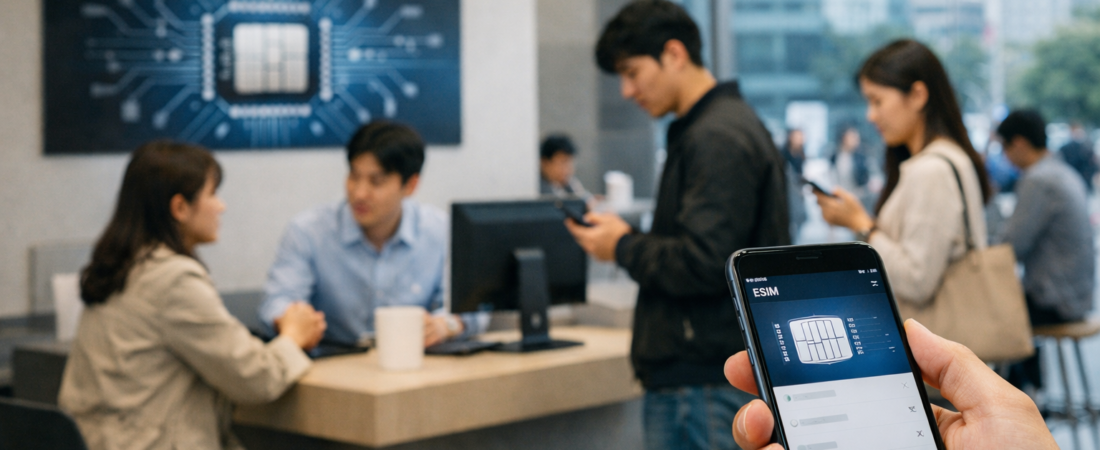
Police in Incheon say the company recruited investors by promising returns tied to eSIM sales volume. Investors were told their money would fund eSIM inventory and marketing aimed at tourists visiting for concerts. The pitch used real cultural momentum to make an unreal financial promise sound solid.
As the investigation expanded, the number of people claiming damages passed 1,400. That is not a small number. It shows how quickly this kind of scheme can spread when it rides on a trending cultural event.
Authorities are still working to determine the full scale of losses and the exact methods used to recruit victims. You can follow ongoing coverage through Yonhap News Agency as details continue to emerge. This kind of investigation often takes months, since tracing money across many small investors is slow, careful work.
What makes this case notable is not just the eSIM angle. It is the way a legitimate, growing market — tourist eSIM demand — became the bait for an illegitimate investment trap.
Red Flags Every Buyer Should Know
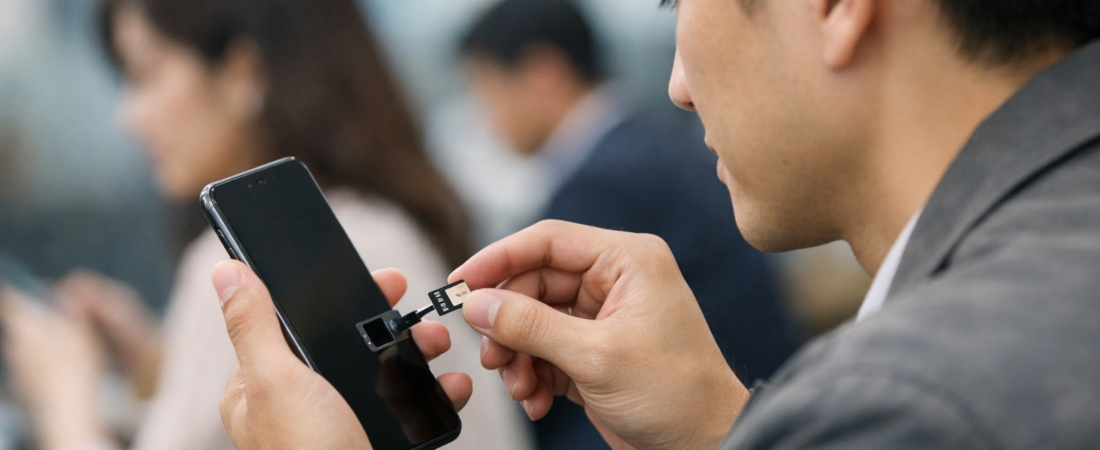
So how do you tell a real eSIM business opportunity from a fake one? Start with the promises. If a company guarantees fixed high returns tied to a single event like a concert season, be cautious.
Real telecom and eSIM businesses depend on many factors: network partnerships, regulatory approval, and long-term customer trust. No legitimate eSIM provider can promise guaranteed profits just because tourists are arriving for a concert. That kind of certainty simply does not exist in any real market.
Here are common warning signs tied to this type of eSIM investment fraud:
- Promises of fixed returns based on tourist or event numbers
- Pressure to invest quickly before a “concert window” closes
- Vague explanations of how the eSIM business actually operates
- No verifiable telecom partnership or business registration
- Recruitment through informal chat groups rather than official channels
Isn’t it strange how the most exciting cultural moments often attract the most opportunistic schemes? Concert tourism, eSIM travel plans — genuinely useful things — can hide behind investment offers that only work on paper.
How to Protect Yourself When Buying an eSIM
If you are traveling to Korea for a concert or any trip, buying an eSIM is genuinely useful. The problem is not eSIM technology itself. The problem is who is selling it and how.
Always buy your eSIM directly from a recognized telecom provider or a well-reviewed travel platform. Avoid unfamiliar apps or chat-based sellers offering unusually cheap deals tied to a specific concert date. If a seller also asks you to “invest” rather than simply buy a product, that is your signal to walk away.
This story also raises a bigger question about trust in Korea’s fast-growing tourism economy. Concert-driven tourism has brought real economic benefits to businesses, hotels, and yes, telecom providers offering eSIM services to visitors. But rapid growth also creates gaps that dishonest actors are quick to exploit.
It would be easy to say Korean society simply has a fraud problem, but that misses half the picture. The same speed and enthusiasm that let scammers exploit BTS-driven eSIM demand also drive quick, coordinated responses once fraud is discovered. Investigators moved fast here, and more than 1,400 victims have already come forward, which means the system for reporting and investigating fraud is working, even if imperfectly.
Growth always brings both opportunity and risk, and that tension is not unique to Korea. What matters is whether a society keeps building better safeguards as new markets, like eSIM travel services, expand. Korea’s response to this case will say a lot about that ongoing effort.
Concert tourism is not going away, and neither is eSIM demand from travelers. What matters now is smarter buying habits and stronger oversight of companies claiming to profit from cultural moments. Have you ever come close to an investment offer that seemed too tied to a trend to be true?
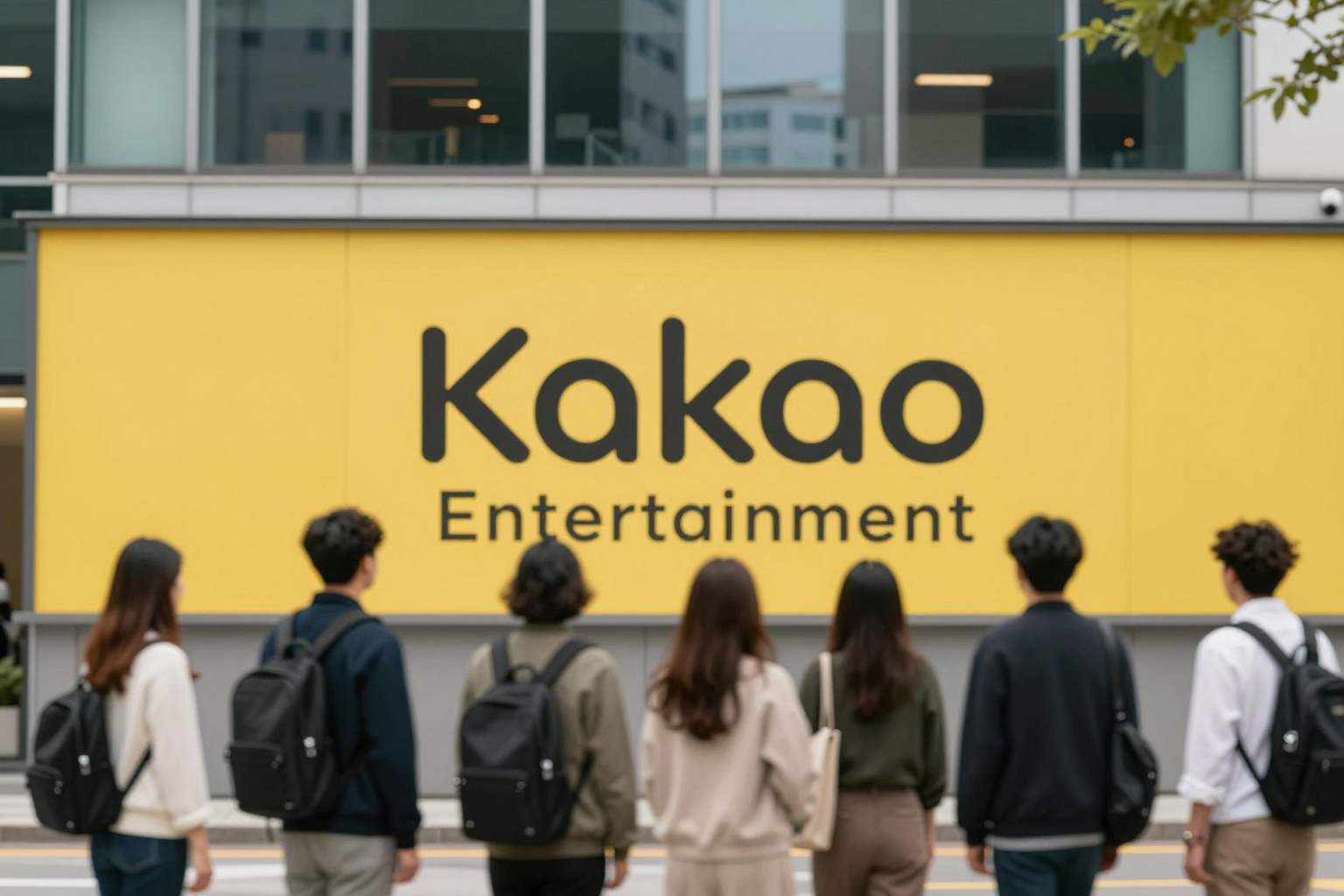
AI-Generated Photorealistic Image — All people, scenes, and details in this image are entirely AI-generated and fictional. Not a real photograph of an actual person or event. 이 이미지는 AI로 생성된 가상 이미지입니다.


Leave a Reply