
Fin.K.L Returns as a Complete Group After 21 Years
Fin.K.L is officially reuniting as a complete four-member group for the first time in 21 years. Agency Gemstone E&M confirmed on September 21 that Lee Hyori, Ok Joo-hyun, Lee Jin, and Sung Yu-ri have come back together under the Fin.K.L name. The group is now preparing for full activities as a unit, not just a one-time gathering.
This is huge news for anyone who grew up with K-pop’s first generation. Do you remember when girl groups first became a cultural force in Korea? Fin.K.L was right there at the beginning, alongside a handful of other pioneering acts.
The last time all four members worked together was in 2005, with their digital single “Forever Fin.K.L.” Since then, fans have waited patiently, watching each member build a solo career while quietly hoping for this exact moment.
Why Fin.K.L Matters in K-pop History

To understand why this Fin.K.L news feels so significant, you need context on Korea’s idol industry timeline. Fin.K.L debuted in 1998, right in the middle of what fans now call the “first generation” of K-pop idols. That era set the template for everything that came after, from fandom culture to synchronized choreography.
Back then, girl groups competed fiercely for chart dominance. Fin.K.L’s biggest rival was S.E.S., and their competition became one of the defining rivalries in Korean pop music history. If you think today’s fandom wars are intense, imagine that same energy without smartphones or social media to soften the blast.
Each Fin.K.L member also became a household name individually. Lee Hyori built a massive solo pop career, Ok Joo-hyun became a respected musical theater star, Lee Jin moved into broadcasting, and Sung Yu-ri built an acting career. That range of success is part of why fans see this Fin.K.L reunion as more meaningful than an average nostalgia act.
Korean entertainment media, including Kyunghyang Shinmun, first reported the news of this reunion this week. The outlet noted that the members had already been meeting informally before agreeing to move forward as a group.
What Makes This Fin.K.L Reunion Different
Gemstone E&M was careful with its wording, and that word choice matters. The agency said the members are moving “beyond a one-time meeting” toward “a new start.” That phrase signals something bigger than a single anniversary concert or a nostalgic television special.
Why does this distinction matter to fans? Because Korean entertainment has seen plenty of short-lived reunion projects that fizzle out after one stage. This Fin.K.L announcement suggests sustained activity, not just a farewell lap.
Think about the logistics involved here. Four members, four separate careers, four different schedules, and one shared history spanning nearly three decades. Coordinating that takes real commitment, and it tells you something about how much these four women still value what Fin.K.L represents.
There is also a broader industry trend worth noting. Reunions of first-generation idol groups have become more common across Korea’s entertainment landscape in recent years. Fans who once worried these acts would fade into memory are now seeing agencies actively invest in bringing original lineups back together.
The Broader Fin.K.L Comeback Trend in K-pop

Fin.K.L is not alone in this comeback wave. Several first-generation idol groups have reunited for anniversary tours, documentary projects, or brief comeback stages over the past decade. This pattern reflects a growing recognition that K-pop’s earliest era deserves preservation, not just nostalgia.
What is driving this shift? Streaming platforms have made older discographies accessible to younger listeners who never experienced these groups live. Meanwhile, longtime fans now hold real purchasing power and cultural influence, making these reunions commercially smart as well as emotionally satisfying.
There is something worth sitting with here. The excitement around this reunion comes from real affection, and that affection is genuine and well-earned. At the same time, reunions built on nostalgia carry a quiet pressure of their own, since fans often expect the past to feel exactly as they remember it, and no group can fully meet that expectation forever.
The healthier way forward treats a reunion like this as a new chapter rather than a rerun. Fin.K.L’s members have each grown individually over 21 years, and that growth can enrich a group dynamic instead of threatening it. If the members and their agency lean into that maturity rather than chasing an exact replica of 1998, this reunion has real staying power.
What happens next for Fin.K.L remains to be seen, but the direction feels intentional rather than rushed. A full comeback, new music, or a hybrid of activities could all be on the table depending on how preparations unfold. Either way, this marks a meaningful moment in K-pop’s ongoing relationship with its own history.
What do you think about Fin.K.L returning as a complete group after all these years?
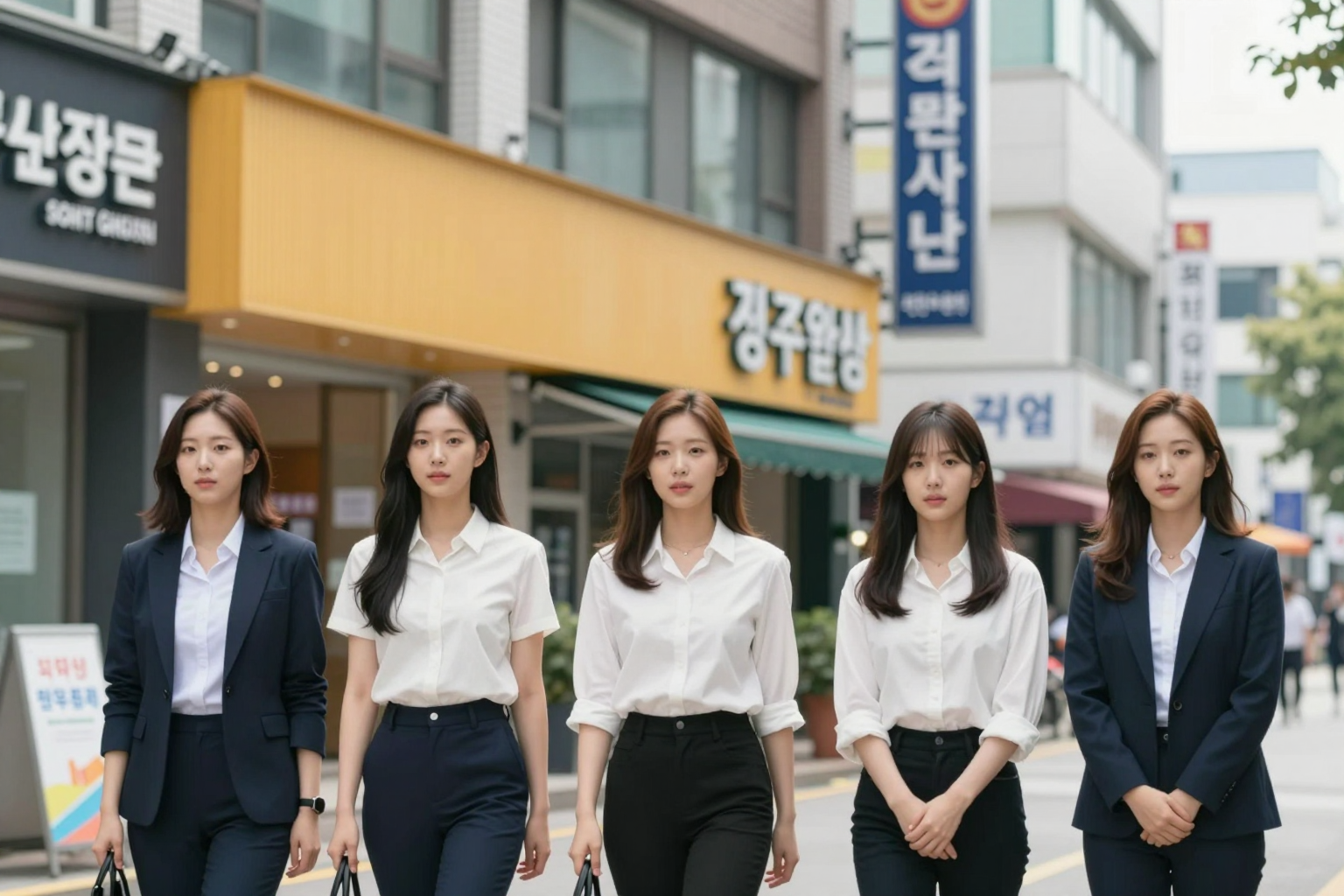
AI-Generated Photorealistic Image — All people, scenes, and details in this image are entirely AI-generated and fictional. Not a real photograph of an actual person or event. 이 이미지는 AI로 생성된 가상 이미지입니다.


Leave a Reply