Table of Contents
Foreign workers in Korea sent about 5 trillion won home last year, according to the Bank of Korea. That’s roughly 3.6 billion dollars leaving the country annually. Thailand and Vietnam alone account for more than half of that total.
Why Foreign Workers Send Billions Home
Korea now hosts over 1.1 million foreign workers. Most arrive through the Employment Permit System, filling jobs in factories, restaurants, and farms. These are the jobs many Korean workers no longer want, especially in small manufacturing towns.
Every won they earn matters twice over. It supports their daily life here, and it supports families back home. Have you ever thought about what it means to work far from everyone you love, just to send money back each month?
This is the reality for over a million foreign workers today. The 5 trillion won figure isn’t just a statistic. It represents groceries bought, school fees paid, and homes built thousands of miles away.
The Countries Behind the Numbers
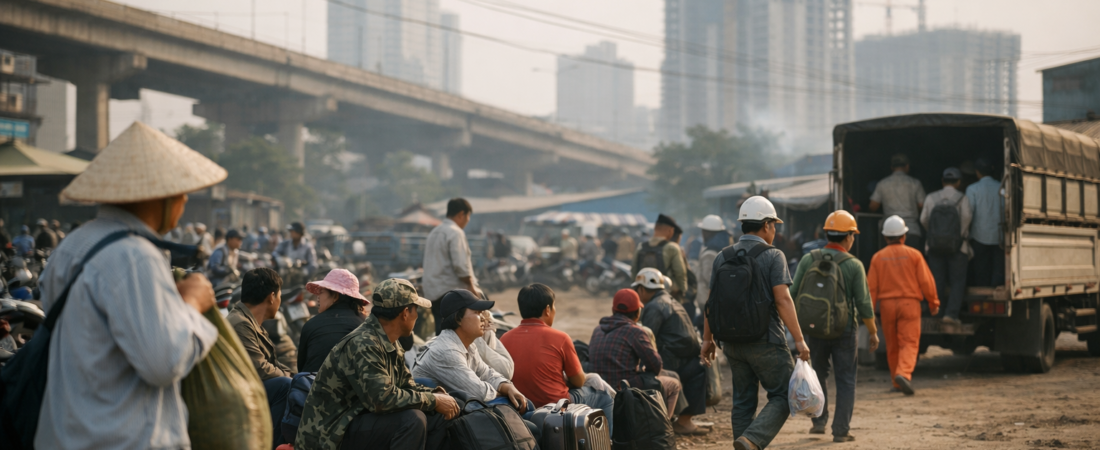
Thailand and Vietnam together receive more than half of all remittances sent by foreign workers in Korea. That concentration tells us something important. These two countries have built strong labor pipelines into the Korean economy over the past decade.
Thai workers have long dominated certain agricultural and fishing sectors. Vietnamese workers, meanwhile, have spread across manufacturing and food service industries nationwide. Both groups arrived through structured government programs, not informal channels.
Why does this matter for global readers? Because it shows how labor migration has become a formal, government-managed system in Korea, not an accident. According to data reviewed by lawmaker Kim Sang-hoon’s office and the Bank of Korea, this trend has been building steadily for years, as reported by Maeil Business Newspaper.
Why Vietnam’s Remittances Are Exploding
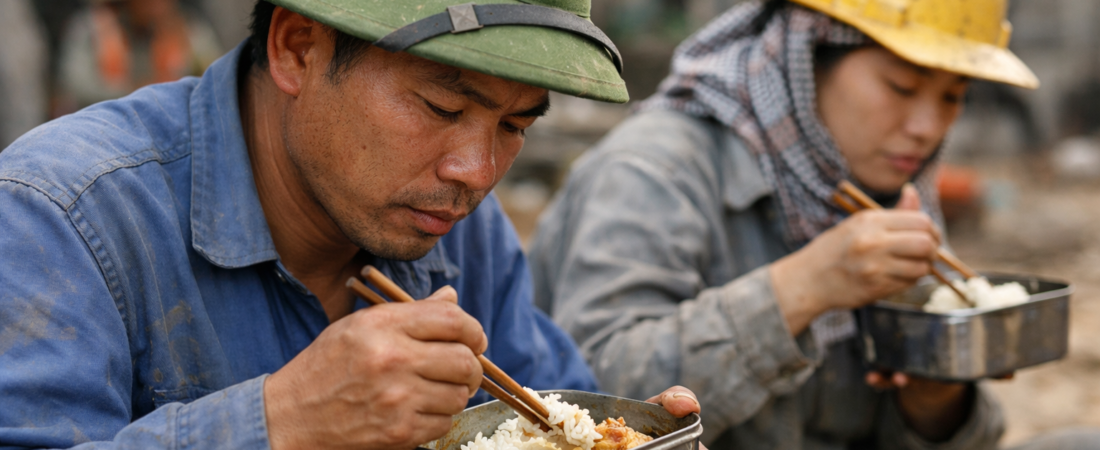
Vietnamese remittances from Korea jumped 3.8 times over just four years. That’s not a small bump. That’s a fundamental shift in who is filling Korea’s labor gaps.
What’s driving this surge? Manufacturing and restaurant industries have expanded their foreign worker intake sharply, and Vietnamese nationals have become the fastest-growing group among them. Younger Vietnamese workers often choose Korea over other destinations because of relatively higher wages and established community networks.
Once a few workers succeed and send money home, word travels fast. Family members and neighbors follow, creating chain migration patterns. This is not unique to Korea — it echoes remittance patterns seen from Mexico to the Philippines — but the speed of Vietnam’s growth here stands out (four-fold in under half a decade is hard to ignore).
Meanwhile, this growth reflects a broader labor shortage across Korean industries. Factories in provincial cities increasingly depend on foreign workers just to keep production lines running. Restaurant owners in Seoul and beyond report similar struggles finding domestic staff for kitchen and service roles.
What This Means for Korea’s Future Foreign Worker Policy
Korea’s foreign worker population will likely keep growing. The country’s birthrate remains among the lowest in the world, and its working-age population continues shrinking each year. Foreign workers aren’t just filling temporary gaps anymore — they’re becoming structural to how the economy functions.
Still, growth brings real friction. Housing shortages, workplace exploitation cases, and cultural adjustment struggles are documented realities for many migrant workers in Korea, and pretending otherwise would be dishonest. At the same time, local governments and civil groups have expanded language programs, worker support centers, and legal aid services in recent years, showing that repair efforts are genuinely underway alongside the challenges.
What does dignity look like for someone who leaves home to support a family they rarely see? It looks like fair wages, safe housing, and the simple respect of being treated as a full person rather than just labor. Korea is still learning this lesson, and so is much of the world facing similar migration pressures.
Looking ahead, the foreign worker system will only become more central to Korea’s economic story. Policymakers must balance labor needs with genuine protections for the people filling those needs. What do you think Korea should prioritize next as it continues to rely on foreign workers to power its economy?
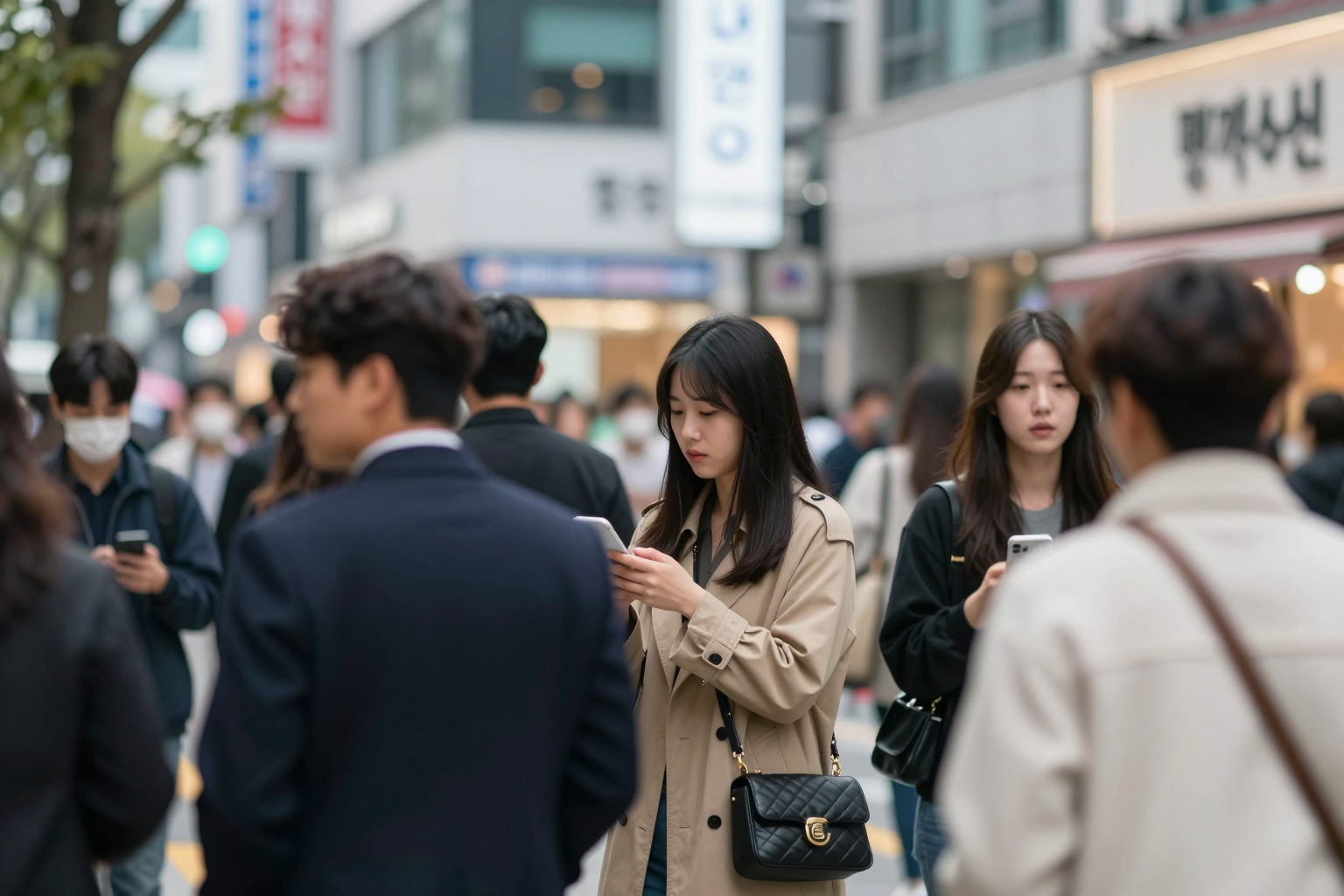
AI-Generated Photorealistic Image — All people, scenes, and details in this image are entirely AI-generated and fictional. Not a real photograph of an actual person or event. 이 이미지는 AI로 생성된 가상 이미지입니다.


Leave a Reply