
An AI Song Just Hit Number 3 on Korea’s Melon Chart
A song written, composed, and sung almost entirely by generative AI climbed to number three on Melon, South Korea’s biggest music chart. The track, “Did You Become the Adult You Dreamed Of,” comes from a project called Mureo, built by production company GloryWave. It marks one of the clearest signs yet that generative AI has moved from novelty to genuine commercial force in Korean pop culture.
Have you ever listened to a song and felt something real, only to learn later that no human sang it? That’s exactly what happened with Mureo’s breakout hit. Listeners connected emotionally, and the numbers followed.
How Generative AI Built a Chart-Topping Hit
GloryWave used generative AI tools for composition and vocal production, shaping a virtual artist identity around the song. The company says it was startled by how fast the underlying technology improved. What took months of studio work a few years ago now happens in a fraction of the time.
This isn’t Korea’s first brush with virtual performers. The country has embraced digital idols and AI-generated characters for years, part of a broader fascination with blending technology and entertainment. Still, a fully generative AI track reaching the top three of a major national chart is a new milestone.
Why does this matter beyond one catchy song? Because it signals a shift in who gets to make music people love. GloryWave’s team has reportedly leaned further into generative AI since the single’s success, treating it as a core creative tool rather than a gimmick. You could say Korean producers went from curious to converted almost overnight — a tradition of innovation worth, dare we say, remixing.
For readers tracking Korea’s entertainment industry, this case offers a preview of where AI-assisted music may be headed globally. Outlets like Kyunghyang Shinmun have been among the first to document the trend closely.
The Copyright Gap Generative AI Has Exposed

Here’s the uncomfortable part. South Korea’s copyright and royalty systems were not built with generative AI in mind. Who owns a song when an algorithm wrote the melody and another algorithm sang it?
Right now, there’s no clear legal answer. GloryWave itself acknowledged this institutional blank space, noting that payment structures and ownership rules haven’t caught up with the technology’s rapid rise. Streaming platforms, songwriters’ associations, and regulators are all watching the same gap without a shared solution.
This isn’t unique to Korea. Countries from the United States to Japan are wrestling with similar questions about AI-generated content and intellectual property. But Korea’s fast-moving music industry, famous for exporting K-pop worldwide, may feel the pressure to resolve these issues sooner than most.
What Generative AI Means for Korea’s Creative Future
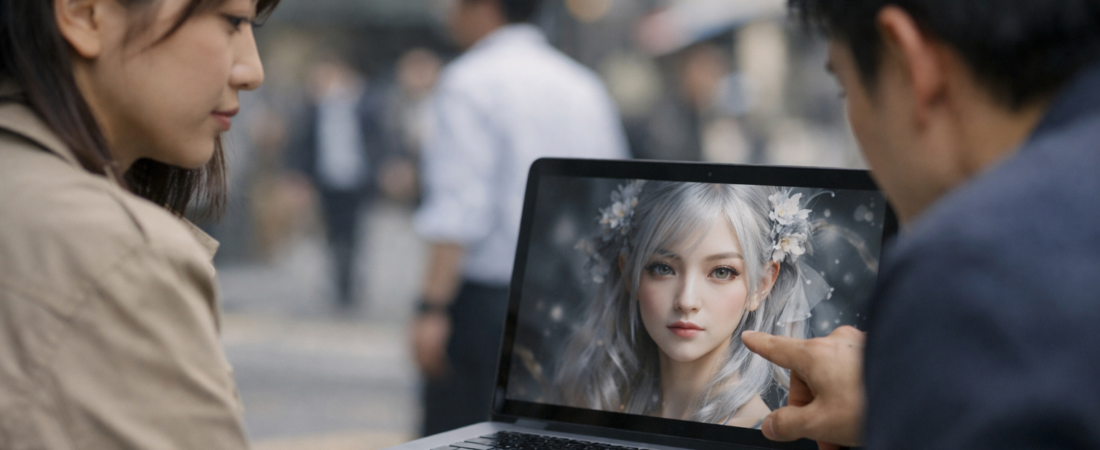
So where does this leave songwriters, vocalists, and producers who built careers the traditional way? That question deserves an honest answer, not a comforting one. Generative AI genuinely threatens certain kinds of entry-level creative work, and pretending otherwise would be dishonest.
Yet the same technology is also opening doors that didn’t exist before. Smaller studios without big budgets can now produce chart-competitive music, and amateur creators are experimenting with tools once reserved for major labels. Change always displaces some things while it builds others, and the real work ahead is making sure the gains don’t come only at a few companies’ expense.
There’s something very human in this story too, even though the voice on the track isn’t. People still responded to a melody, still felt moved by lyrics about growing up and chasing dreams. That tells you something hopeful: connection doesn’t disappear just because the tools behind it change, though it does ask us to think harder about who deserves credit, and payment, for creating it.
Korea has navigated fast technological shifts before, from the early internet boom to mobile gaming to webtoons reshaping global entertainment. Each time, legal frameworks lagged behind creativity, then slowly caught up through public debate and policy adjustment. Generative AI in music looks set to follow a similar path, messy at first, clearer later.
Looking Ahead as Generative AI Reshapes Music
Mureo’s success won’t be the last generative AI act to climb Korea’s charts. More companies will likely experiment now that the commercial case has been proven. Expect faster releases, more virtual artists, and louder calls for updated copyright law.
For global readers, this story matters because Korea often previews trends the rest of the music industry adopts later. What happens with generative AI royalties in Seoul today could shape streaming contracts in Los Angeles or London tomorrow. Keeping an eye on Korea’s response isn’t just cultural curiosity — it’s practical foresight.
What do you think about generative AI topping real music charts — exciting innovation, or a shortcut that needs stronger rules first?
AI-Generated Photorealistic Image — All people, scenes, and details in this image are entirely AI-generated and fictional. Not a real photograph of an actual person or event. 이 이미지는 AI로 생성된 가상 이미지입니다.

Leave a Reply