Table of Contents
Girls’ Generation members Hyoyeon, Yuri, and Sooyoung release their debut single as the sub-unit “Hyoleesoo” today at 6 p.m. The digital single, titled “Skibidi,” includes a B-side track called “Lowkey In Love.” SM Entertainment confirmed the release, marking a fresh chapter for the veteran Girls’ Generation lineup.
Why would a group already fifteen-plus years into their career bother forming a new sub-unit now? That question matters more than it seems.
Girls’ Generation’s New Sub-Unit Debuts
SM Entertainment announced that Hyoleesoo will drop “Skibidi” this afternoon, giving fans a taste of Girls’ Generation in a smaller, more focused format. The single carries two tracks: the title song “Skibidi” and “Lowkey In Love.” Both were produced with SM’s signature house-influenced production style, according to the agency.
You might wonder why Girls’ Generation, one of the most iconic K-pop groups ever, needs a sub-unit at all. The answer lies in flexibility.
Full group activities require coordinating eight busy schedules, and that gets harder every year. A three-member unit like Hyoleesoo lets Girls’ Generation stay active without waiting for everyone’s calendar to align.
Who Are Hyoleesoo
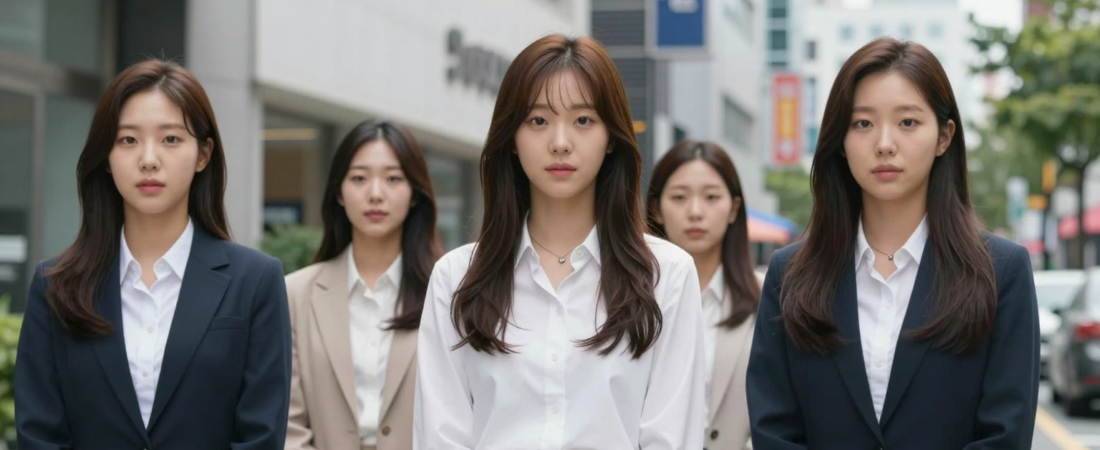
Hyoleesoo combines Hyoyeon, Yuri, and Sooyoung, three members known for distinct strengths within Girls’ Generation. Hyoyeon brings dance-heavy energy, Yuri offers vocal versatility, and Sooyoung adds a grounded, mature stage presence. Together, they form a unit built around performance power rather than pure vocal harmony.
Their name itself is a playful mashup, blending syllables from each member’s stage name. This naming style follows a long K-pop tradition, where sub-units often carry names that fans can decode like a puzzle.
(Somewhere, a fan is already drawing a chart connecting every letter to prove it spells destiny.)
The choice to call this project Hyoleesoo signals something intentional. SM Entertainment wants listeners to see this as its own identity, separate from but connected to Girls’ Generation’s broader legacy.
Why Sub-Units Matter in K-pop

Sub-units are not new for Girls’ Generation. The group launched TTS, formed by Taeyeon, Tiffany, and Seohyun, back in 2012, proving that smaller formations can thrive commercially and creatively.
That history matters here. Hyoleesoo follows a proven playbook, one that lets a legacy act like Girls’ Generation experiment with new sounds while staying anchored to its core fan base.
Why do agencies keep returning to this strategy? Because it works on multiple levels at once.
Sub-units let members explore genres the full group might not attempt. They also keep a group’s presence in the music market steady between full comebacks. And for fans, a sub-unit release feels like a bonus gift rather than a replacement for the group they love.
Girls’ Generation debuted in 2007, and few groups from that era remain active with original members intact. That longevity itself deserves attention. For more background on the group’s history and industry context, you can check Kyunghyang Shinmun, the outlet that first reported this news.
What Comes Next for Girls’ Generation
The release of “Skibidi” raises a natural question: does this signal renewed momentum for Girls’ Generation as a whole? It might, but sub-unit activity does not always predict full-group plans.
Still, fans have reason for cautious optimism. Every time a member stays visible and active, it keeps the group’s name relevant to new listeners discovering K-pop for the first time.
Longevity in K-pop is rare, and it comes with real trade-offs. Groups that last this long often carry pressure to keep reinventing themselves, even as members pursue solo careers, acting, or business ventures outside music.
That tension is not a flaw; it is simply what happens when a group ages alongside its audience. The hopeful part is how Girls’ Generation keeps finding new formats, like Hyoleesoo, that honor the original chemistry without forcing everyone back into one fixed mold.
Girls’ Generation’s story shows that a group does not need to freeze in time to stay meaningful. Sub-units like Hyoleesoo offer a path where growth and nostalgia can coexist. What do you think about veteran groups like Girls’ Generation experimenting with smaller formations instead of always regrouping as one?
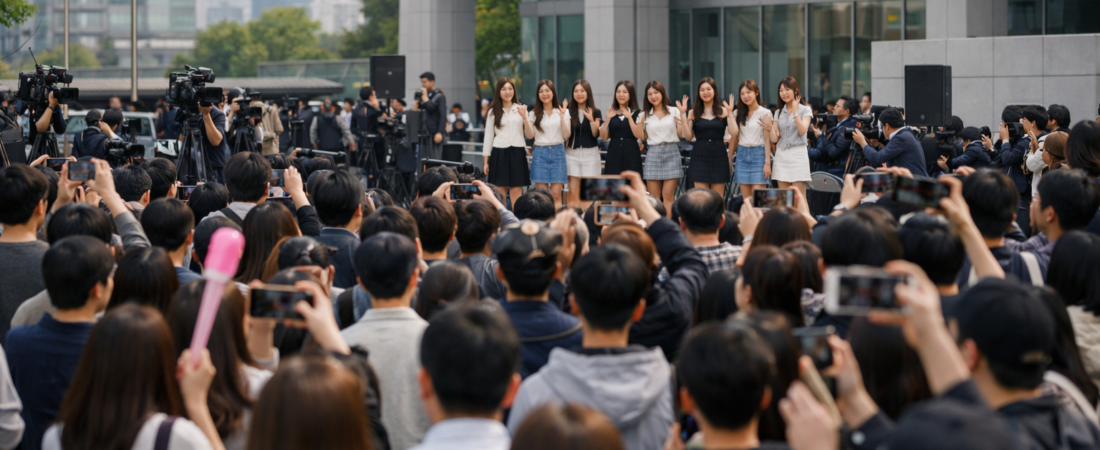
AI-Generated Photorealistic Image — All people, scenes, and details in this image are entirely AI-generated and fictional. Not a real photograph of an actual person or event. 이 이미지는 AI로 생성된 가상 이미지입니다.

Leave a Reply