
Table of Contents
How do you say goodbye after nineteen years together? SM Entertainment and Kwon Yuri, a beloved member of Girls’ Generation, just answered that question this week. Their split is calm, respectful, and surprisingly rare in an industry known for messy breakups.
On July 31, SM Entertainment announced that Yuri’s contract will officially end on August 31, 2026. The company called it the result of “in-depth discussion,” a phrase that signals mutual agreement rather than conflict. For fans of Girls’ Generation, the news lands as bittersweet — proud of Yuri’s growth, sad to see one more original member step away from the label that shaped her.
Girls’ Generation’s Yuri Says Goodbye to SM
Kwon Yuri debuted with Girls’ Generation in 2007. She was just a teenager then, one of nine girls chosen to become one of Korea’s most influential girl groups. Nineteen years later, she is leaving SM Entertainment as a mature actress, singer, and businesswoman.
SM’s statement was brief but warm. The company thanked Yuri for her years of dedication and wished her well in whatever comes next. No scandal, no dispute, no dramatic exit interview — just a clean, mutual decision to part ways.
That tone matters. K-pop headlines often focus on lawsuits and contract disputes between idols and agencies. This time, Girls’ Generation’s story offers something different: a departure built on gratitude, not grievance.
Is that unusual in this industry? Honestly, yes. Many idol-agency separations end up in court, especially when exclusive contracts expire and money is on the table. This case reads more like a respectful handshake than a courtroom battle.
Nineteen Years of History, One Quiet Ending

To understand why this news matters, you need to understand what Girls’ Generation represents. Debuting in 2007 with “Into the New World,” the group became a defining act of the Hallyu wave. Their sound helped export Korean pop music to Japan, China, and eventually the West.
SM Entertainment built its reputation on multi-year idol training and long-term artist development. Trainees often spend years — sometimes a decade — preparing before debut. Yuri herself trained for years before her 2007 debut, a path typical of SM’s famously rigorous system.
Korean entertainment contracts historically run seven years, a rule set by the Fair Trade Commission in 2009 to protect young performers from exploitative terms. Yuri’s relationship with SM lasted nearly three times that standard length. That alone tells you something about the loyalty — and complexity — built into these long idol careers.
Over nearly two decades, Yuri grew alongside her groupmates through comebacks, world tours, and solo ventures into acting. She became known for roles in television dramas and variety shows, expanding well beyond her original identity as a singer. This departure, then, isn’t really an ending — it’s a milestone in a much longer story.
You can read more coverage of this announcement from Maeil Business Newspaper, which first reported the details of SM’s statement.
What Yuri’s Exit Means for Girls’ Generation

Yuri is not the first Girls’ Generation member to leave SM Entertainment. Jessica departed in 2014 amid public controversy. Tiffany, Sooyoung, and Seohyun all eventually left the agency too, each on different terms and timelines.
Yuri’s exit follows a pattern, but the tone here feels notably calmer. Where past departures generated tension and tabloid drama, this one reads like a professional transition. Maybe the industry itself has matured alongside its stars.
Does this mean Girls’ Generation is ending for good? Not necessarily. The group has already proven it can reunite for anniversary albums and specials even after individual members left their original label.
Their 15th anniversary comeback in 2022 brought all eight surviving members back together, years after some had left SM. That history suggests Yuri leaving the agency doesn’t automatically mean leaving the group’s legacy behind. Girls’ Generation’s brand has always been bigger than any single company contract.
Still, agency departures do change the practical logistics of group activities. Future reunions may require more coordination between multiple management companies, not just one. K-pop fans have gotten used to this puzzle — imagine planning a family reunion where everyone now has a different travel agent.
For SM Entertainment, this also marks a quiet passing of an era. Fewer original Girls’ Generation members remain under the company’s direct management. That shift reflects a broader trend across Korean entertainment, where founding members of first- and second-generation groups increasingly move toward independence as their careers mature.
Where Does Yuri Go From Here?
What comes next for Yuri? She has spent years building an acting career alongside her music work, appearing in dramas and films that showcase range beyond idol performances. Leaving SM Entertainment likely gives her more freedom to choose those projects independently.
Many former SM artists have thrived after their contracts ended. Some started their own agencies. Others signed with companies that specialize in acting rather than music, reflecting where their personal ambitions had shifted.
Yuri could follow any of these paths, or forge something entirely her own. Nineteen years inside one company gives an artist a rare depth of experience — and often, a clear sense of what they want their next chapter to look like.
For fans, the emotional core of this story isn’t really about contracts or company statements. It’s about watching someone grow up in public, from a teenage trainee to a seasoned professional making her own decisions. That arc is worth celebrating, regardless of which label appears on her paperwork now.
Korean entertainment fans often talk about “graduating” from a group or agency, a gentler term than simply “quitting.” Yuri’s departure fits that framing well — less an exit, more a graduation ceremony nineteen years in the making. Her story also says something about how K-pop itself is evolving, moving away from rigid company control toward artists shaping their own long-term careers.
Girls’ Generation’s legacy will not fade because one member changed agencies. If anything, moments like this test whether a group’s bond runs deeper than corporate paperwork. What do you think — can a group like Girls’ Generation stay meaningful to fans even as its members spread across different companies and different chapters of their careers?
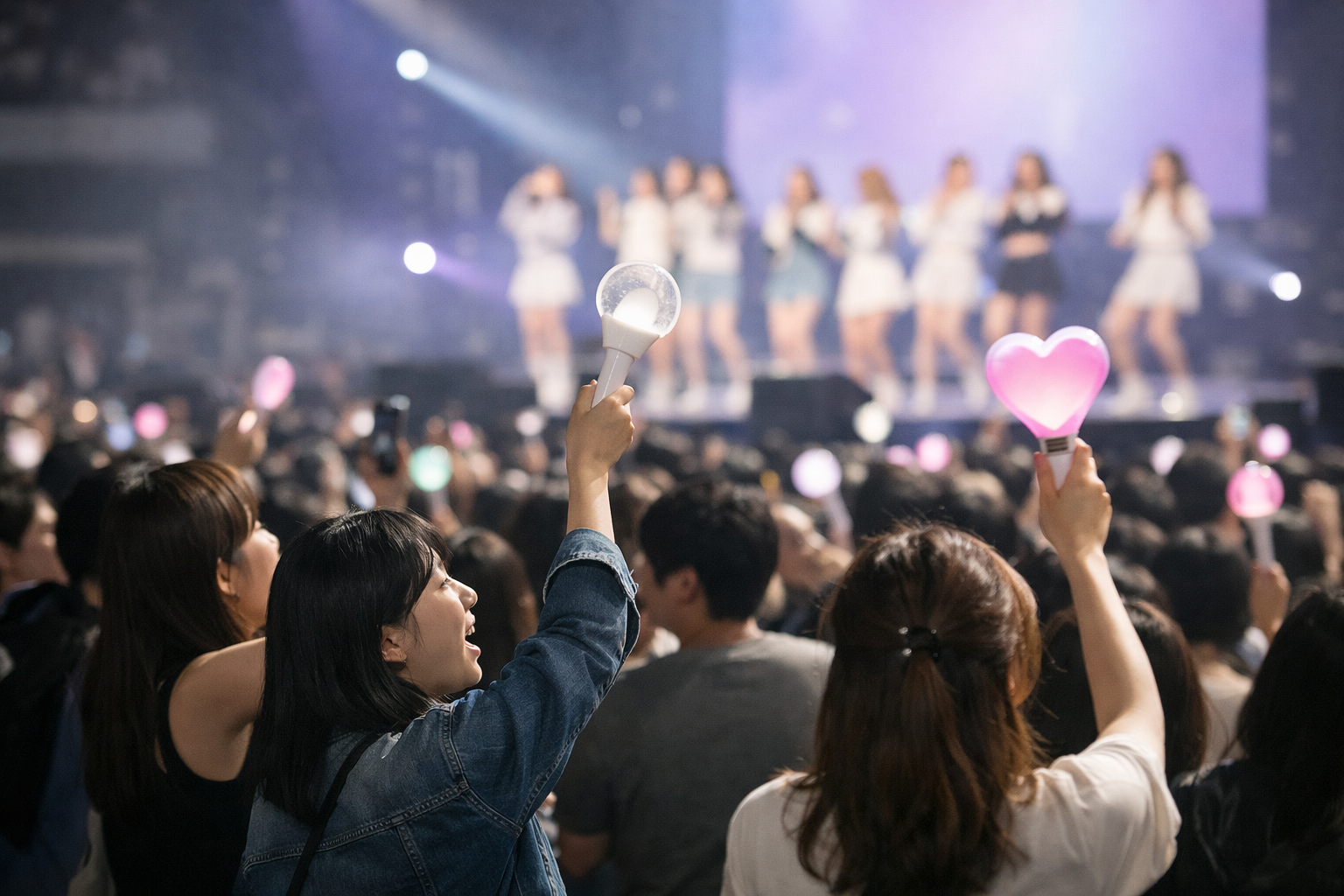
AI-Generated Photorealistic Image — All people, scenes, and details in this image are entirely AI-generated and fictional. Not a real photograph of an actual person or event. 이 이미지는 AI로 생성된 가상 이미지입니다.



Leave a Reply