Table of Contents
Actress Ha Young has withdrawn from season two of Netflix’s Trauma Center after controversy erupted over her great-grandfather’s pro-Japanese collaboration record. Netflix confirmed on September 1 that it would “respect the actor’s position” and cast someone else for the sequel. Ha Young played nurse Chun Jang-mi in season one, alongside Ju Ji-hoon, Choo Young-woo, and Yoon Kyung-ho.
Why does a great-grandfather’s history from nearly a century ago end an actress’s role today? That question sits at the heart of this story. In Korea, historical memory carries weight that outsiders sometimes underestimate.
Ha Young Steps Down from Trauma Center Season 2
The announcement came quickly once the controversy surfaced. Netflix stated simply that Ha Young chose not to appear in the follow-up season, and the streaming giant honored that decision. No further details on casting replacements have been released yet.
Trauma Center season one built a loyal following for its intense medical drama and strong ensemble cast. Ha Young’s nurse character connected with audiences through her steady presence alongside the show’s leading men. Losing a familiar face mid-franchise is never simple, but Netflix framed this exit as the actor’s own choice, not a punishment handed down from above.
This distinction matters. Voluntary withdrawal reads differently than being fired or blacklisted. It suggests Ha Young herself recognized the controversy could overshadow the show, and stepped back before it did. That kind of self-awareness is rare in an industry built on constant public exposure.
Who Is Ha Young and Why the Controversy?

The controversy traces back to Ahn Sang-ho, Ha Young’s great-grandfather. Reports on Korean broadcaster KBS2 identified him as a figure with a documented pro-Japanese collaboration record during the colonial period. Ha Young had reportedly introduced or discussed her great-grandfather publicly, which brought renewed attention to his history.
For readers outside Korea, this might seem like an unusual reason to lose a television role. But colonial-era collaboration remains one of the most sensitive topics in modern Korean identity. Families connected to collaborators have faced public scrutiny for generations, long after the individuals themselves passed away.
Is it fair to hold a public figure accountable for a relative’s choices from nearly 100 years ago? Many Koreans would say history isn’t only about individual guilt — it’s about how a nation remembers its wounds. Collaboration during Japanese rule wasn’t a small matter; it shaped who profited and who suffered under occupation, and that imbalance still echoes through Korean society today.
Netflix’s Response and Industry Precedent
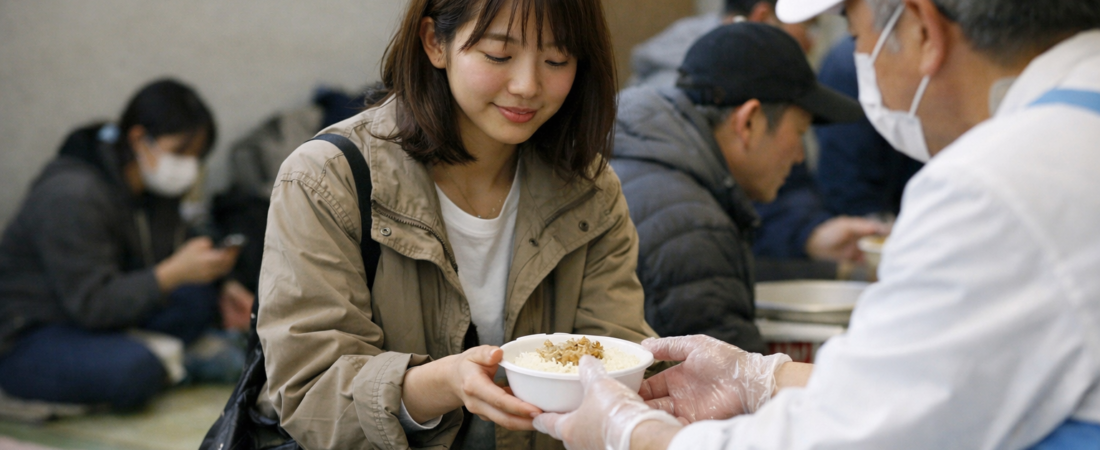
Netflix’s official statement kept things brief: the company would respect Ha Young’s decision and move forward without her in season two. This mirrors how other Korean productions have handled similar controversies involving cast members’ family histories or personal scandals. You’ve probably noticed a pattern if you follow K-drama news closely — quiet, quick exits tend to protect both the actor and the production.
Korean entertainment companies generally act fast when controversy touches a show’s reputation. Speed limits damage, but it also raises questions about due process. Was Ha Young given a fair chance to respond publicly before stepping away, or did pressure make her decision feel less than fully voluntary?
You can find more background on the original report from Kyunghyang Shinmun, which first covered Ha Young’s withdrawal in detail. This kind of transparency helps international fans understand decisions that might otherwise seem sudden or confusing. Context, after all, is everything in a story like this.
What This Means for K-drama’s Global Audience
Trauma Center built its international audience on tense hospital drama, not political history. Yet this episode shows how deeply Korea’s colonial past still shapes even entertainment decisions today. If you’re new to Korean media, this might be your first glimpse into how seriously history gets treated here.
Korea’s reckoning with pro-Japanese collaboration reveals something honest about how societies process historical wounds — imperfectly, sometimes harshly, but rarely with indifference. It’s easy to criticize the practice of holding descendants accountable for a relative’s choices, and that criticism has merit; guilt by bloodline can feel unjust to the individual caught in the middle. But there’s also something quietly hopeful in a culture that refuses to let painful history fade into convenient forgetting, choosing instead to keep asking hard questions even when the answers are messy.
That same instinct toward remembering, though, carries weight for the people living under it. Ha Young likely did nothing wrong herself, yet she still absorbed consequences meant for a relative long gone. Perhaps the healthier path forward isn’t erasing memory or ignoring it, but finding better ways to separate accountability for the past from fairness toward the present — a balance Korean society, like many others, is still learning to strike.
Korean dramas keep gaining global fans, and moments like this remind you that the industry doesn’t exist in a bubble. History, family, and public image collide here in ways that Western entertainment rarely experiences so directly (imagine a Hollywood actor losing a role over a great-grandparent’s wartime record — it’s almost unthinkable elsewhere, but not in Korea). That’s part of what makes Korean storytelling so layered once you look past the surface.
Season two of Trauma Center will move forward without Ha Young, but the conversation she sparked isn’t over. Expect more scrutiny of celebrity family histories as Korean media continues its global expansion. What do you think — should an actor’s career be affected by a relative’s actions from generations ago?
AI-Generated Photorealistic Image — All people, scenes, and details in this image are entirely AI-generated and fictional. Not a real photograph of an actual person or event. 이 이미지는 AI로 생성된 가상 이미지입니다.



Leave a Reply