Table of Contents
Can a single sentence unravel a political comeback? For independent lawmaker Han Dong-hoon, one accusation just might have done exactly that.
Han Dong-hoon recently fired back at People Power Party leader Jang Dong-hyuk, who opposes his return to the party. His response was blunt: is Jang trying to survive politically by picking a fight with him?
That question has ignited a fresh round of tension inside South Korea’s conservative bloc. It also raises a bigger question for readers outside Korea watching this drama unfold.
What does this fight tell us about the future of conservative politics in Korea? Let’s break it down.
A Political Comeback Under Fire
Han Dong-hoon once led the People Power Party as its chairman. He stepped away from the party after a turbulent period, choosing to sit as an independent lawmaker instead.
Now, he wants back in. But not everyone in the party is rolling out the welcome mat.
Jang Dong-hyuk, the current party leader, has publicly opposed Han Dong-hoon’s return. That opposition is not a small procedural hurdle, either.
In Korean party politics, leadership approval often decides whether a returning member gets a smooth path or a public brawl. Han Dong-hoon clearly expected friction, but the intensity of this exchange still stands out.
Why does a single party membership decision matter so much? Because it signals who controls the conservative movement’s direction going forward.
Why Jang Dong-hyuk Won’t Let Han Dong-hoon Back In
Jang Dong-hyuk’s stated opposition centers on party unity and discipline. Yet Han Dong-hoon reads it very differently.
He argues the real motive is personal survival, not principle. According to Han Dong-hoon, blocking his return lets Jang Dong-hyuk avoid a stronger internal rival.
This is a familiar pattern in Korean party politics. Leaders facing weak approval ratings sometimes frame former stars as threats rather than assets.
Han Dong-hoon suggested exactly that dynamic is at play here. He described the opposition as rooted in “personal greed,” a sharp phrase for intra-party disputes.
Is this really about party values, or about who holds power next? Han Dong-hoon clearly believes it’s the latter.
For readers unfamiliar with Korean conservative politics, this kind of leadership rivalry is not new. The People Power Party and its predecessor parties have seen similar comeback battles before, often ending in either reconciliation or permanent split.
You can read more background on Korea’s conservative party dynamics through Yonhap News Agency, which has tracked this story closely.
Han Dong-hoon’s Counterattack: Survival Politics Exposed?
Rather than retreat, Han Dong-hoon chose confrontation. He rejected the idea that his return threatens party stability.
Instead, he framed himself as focused on the future, not old grievances. Han Dong-hoon said he does not intend to dwell on the past.
His stated goal is rebuilding the conservative movement and winning future elections. That message positions Han Dong-hoon as a unifier, even while trading sharp words with his own party’s leader.
It’s a classic political tightrope walk, isn’t it? Attack your rival while claiming you’re above the fight.
Han Dong-hoon’s strategy depends on convincing conservative voters that Jang Dong-hyuk’s opposition is self-interested, not strategic. If that framing sticks, Jang Dong-hyuk could face pressure from within his own base.
Public perception matters enormously in Korean politics, where party approval ratings shift quickly. Han Dong-hoon knows this better than most, given his own rapid rise and fall as party chairman.
His comeback bid, then, is not just about membership. It’s about proving he still commands loyalty despite past setbacks.
The Ahn Cheol-soo Question and What Comes Next
Han Dong-hoon didn’t stop with Jang Dong-hyuk. He also responded to lawmaker Ahn Cheol-soo, who separately voiced opposition to his return.
Han Dong-hoon’s reply was pointed: would Ahn Cheol-soo create a new party instead? That question carries real weight in Korean politics.
Ahn Cheol-soo has a history of founding new political parties when existing ones don’t suit him. By invoking that history, Han Dong-hoon turned a defensive moment into an offensive jab.
He essentially challenged Ahn Cheol-soo to either accept his return or take dramatic action himself. Few politicians dare to speak this directly to senior party figures.
Yet Han Dong-hoon has built his brand on blunt, unfiltered statements. This approach earned him both fans and critics during his time as justice minister and party chairman.
So where does this leave the conservative bloc? Divided, at least for now.
Jang Dong-hyuk holds formal party authority, but Han Dong-hoon controls public attention and a loyal following. That combination creates real uncertainty about how this standoff resolves.
Will Han Dong-hoon eventually rejoin the People Power Party? Or will this dispute push him toward an entirely separate political path?
Korean conservative politics has weathered splits before and survived. But each split costs the movement momentum ahead of national elections.
Han Dong-hoon insists he wants unity and victory, not personal vendettas. Whether party leadership believes him will shape the next chapter of this story.
For global readers, this dispute offers a window into how personality-driven Korean party politics can be. Membership rules matter less than personal rivalries, loyalty networks, and public narrative battles.
Han Dong-hoon’s case shows how quickly a political career can shift from insider to outsider and back again. It also shows how language, like accusing a rival of trying to “survive” through conflict, can reshape an entire news cycle.
Watch how Jang Dong-hyuk responds next. Watch whether Ahn Cheol-soo answers Han Dong-hoon’s challenge directly or stays silent.
Either way, this fight over Han Dong-hoon’s party return isn’t ending soon. What do you think about Han Dong-hoon’s approach to reclaiming his political standing?
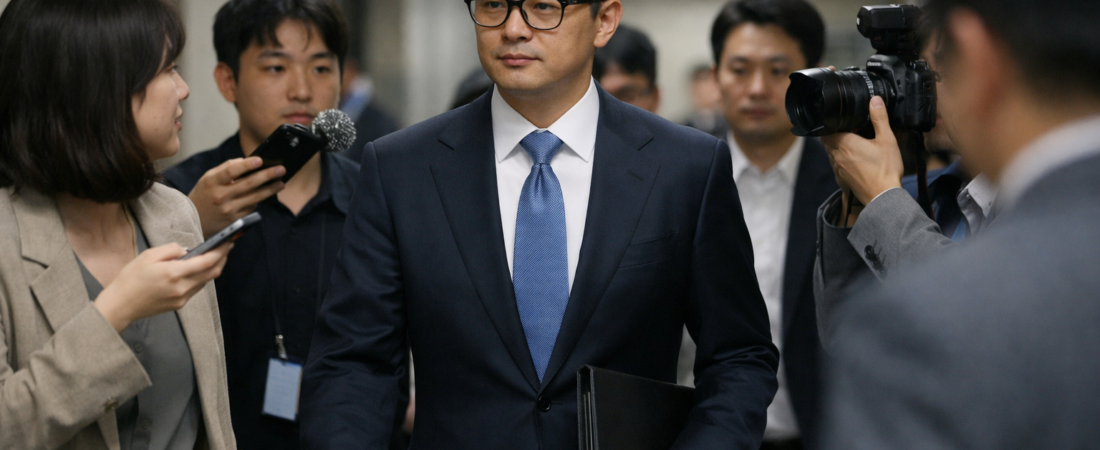
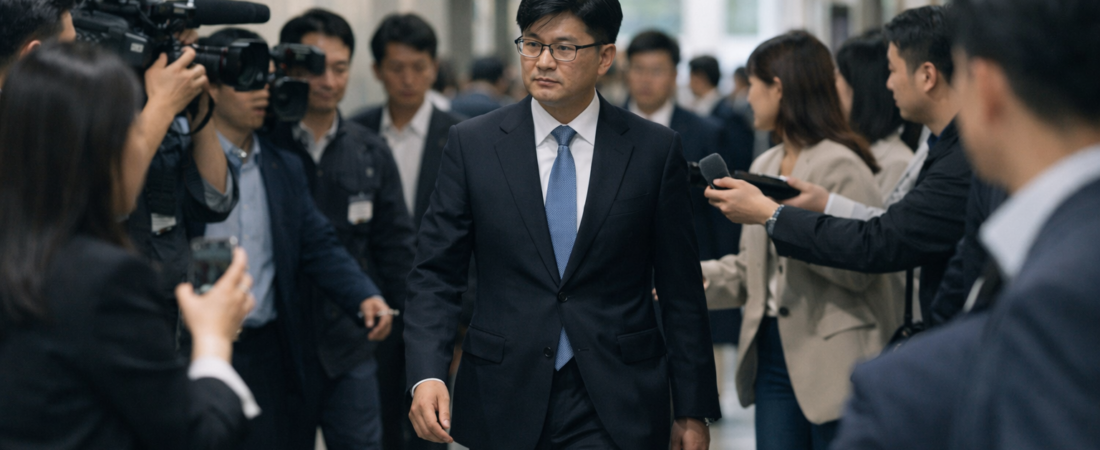
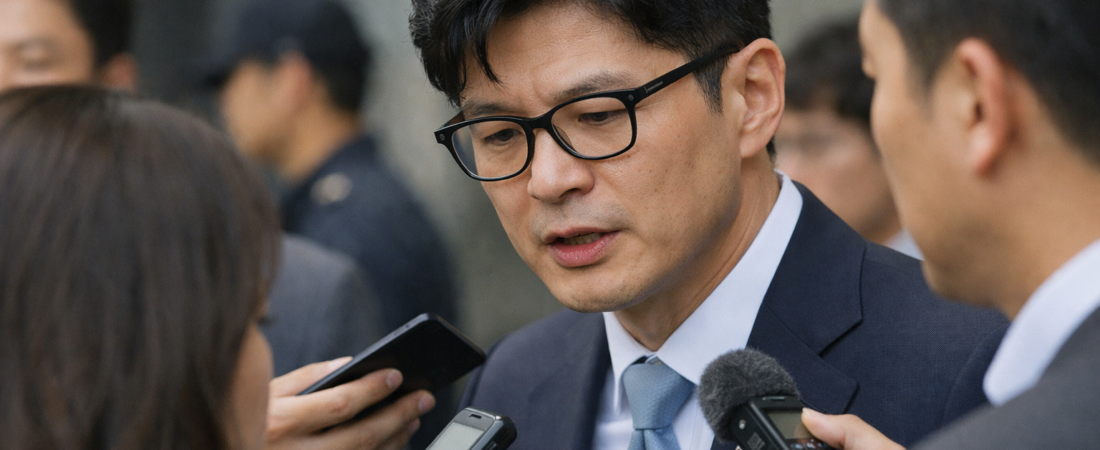
AI-Generated Photorealistic Image — All people, scenes, and details in this image are entirely AI-generated and fictional. Not a real photograph of an actual person or event. 이 이미지는 AI로 생성된 가상 이미지입니다.


Leave a Reply