Table of Contents
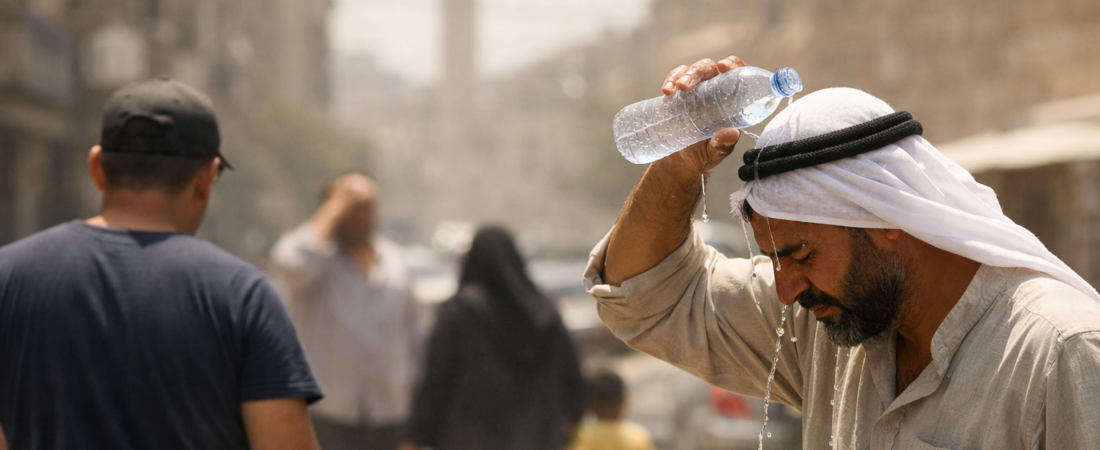
Can a single week of extreme heat really change how a country governs itself? That’s exactly what Korea’s leadership is signaling this month. Prime Minister Han Sung-sook told her cabinet that this week’s heatwave could become a “critical turning point” for public safety across the nation.
That’s not a small statement from the country’s second-highest official. When a Prime Minister uses words like “critical turning point,” you know something serious is happening on the ground.
Korea’s Heatwave Warning: A Critical Week Ahead
During a recent cabinet meeting, Prime Minister Han Sung-sook ordered relevant government ministries to inspect vulnerable locations “excessively” — her word, not a mistranslation. She specifically named cramped low-income housing districts known as jjokbang-chon, outdoor workplaces, and construction sites as priority zones.
Why single out these three places? Because they share one thing in common: poor ventilation, limited access to cooling, and workers or residents who often can’t simply stay indoors.
A heatwave doesn’t hit everyone equally. Office workers in air-conditioned buildings experience the same weather completely differently than a construction laborer pouring concrete at noon.
This is the core logic behind Han’s directive. Heatwave deaths in Korea, like in many countries, cluster heavily among outdoor workers, elderly residents in poorly insulated housing, and people without reliable access to cooling centers.
By naming specific site types instead of issuing a vague warning, the Prime Minister pushed ministries toward concrete, checkable action. That’s a meaningful shift from general public awareness campaigns to targeted, location-based inspection.
Why Vulnerable Communities Bear the Heaviest Heatwave Burden
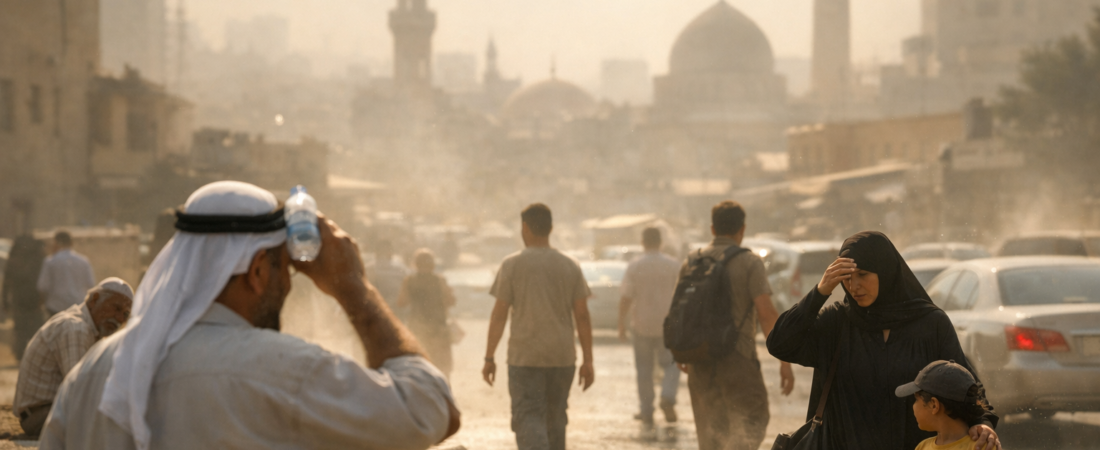
Let’s talk about jjokbang-chon for a moment. These are ultra-small, subdivided rooming houses found mostly in older urban neighborhoods, often housing elderly residents or people with limited income.
Many of these rooms have no windows facing outside, minimal airflow, and residents who can’t afford air conditioning even if a unit is installed. During a heatwave, indoor temperatures in these rooms can actually exceed the temperature outside.
Doesn’t that sound backwards? Shouldn’t indoors always feel cooler than outdoors during summer? Unfortunately, in poorly ventilated single rooms with tin roofing or thin walls, heat gets trapped and has nowhere to escape.
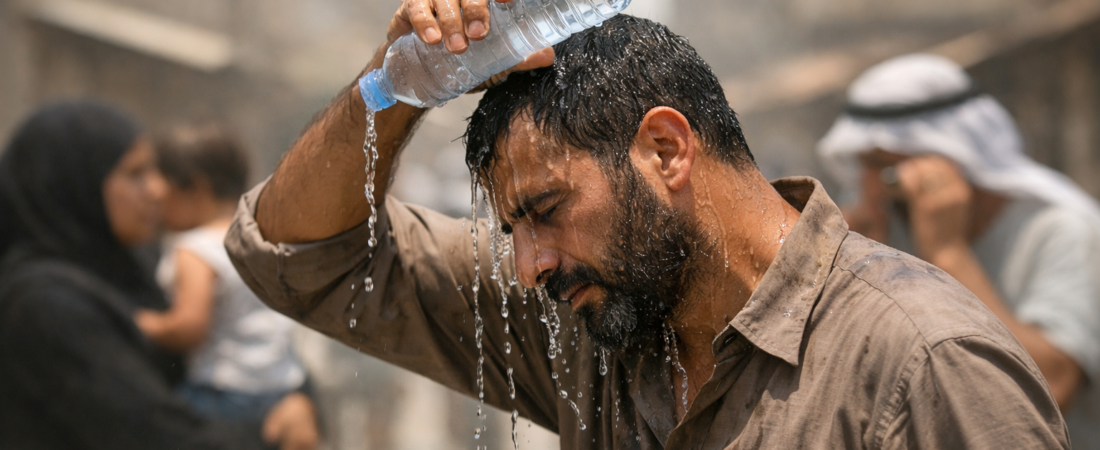
Construction sites present a different kind of heatwave risk. Workers are exposed to direct sunlight for hours, often performing physically demanding labor that raises core body temperature even faster.
Korea’s Ministry of Employment and Labor has issued heat-related work guidelines in past summers, recommending mandatory rest breaks when temperatures cross certain thresholds. Whether these guidelines are actually enforced on every site remains a genuine question worth asking.
This is precisely why Prime Minister Han’s instruction to inspect “excessively” matters. Guidelines on paper mean little if inspectors never show up to check compliance in the middle of a heatwave.
Historically, Korea has treated summer heatwaves as a temporary inconvenience rather than a structural public health issue. That mindset has been shifting since a series of unusually intense heatwaves hit the country in recent years, pushing heat-related illness and mortality rates higher than in previous decades.
Beyond the Heatwave: A Government Juggling Multiple Crises
Heatwave preparation wasn’t the only item on the cabinet’s agenda that day. Prime Minister Han also reviewed the results of President Lee Jae-myung’s recent overseas diplomatic trip, alongside broader livelihood-support policies for ordinary citizens.
Why bundle a heatwave briefing with diplomatic results and economic policy in the same meeting? Because that’s simply how modern governments function — crises don’t wait politely in line.
A Prime Minister’s cabinet meeting is essentially a snapshot of everything a government is worried about in a given week. This particular meeting also included updates on suicide prevention policy, a topic that receives increasing attention in Korean public health discussions.
Interestingly, heatwave conditions and mental health concerns are not entirely unrelated. Extended heat exposure has been linked in multiple studies to increased irritability, sleep disruption, and elevated stress — all factors that can compound existing mental health vulnerabilities.
The same cabinet session also covered Korea’s response to developments in the Middle East, plus a separate initiative to reduce antibiotic overuse and slow the growth of antibiotic resistance nationwide. At first glance, these topics seem completely disconnected from a heatwave warning.
But look closer, and a pattern emerges. Each item reflects a government trying to manage both immediate emergencies and long-term structural risks at the same time.
For readers outside Korea trying to understand how the country’s policy machinery actually works, this single meeting offers a useful window. You can follow ongoing government meeting summaries and public briefings through outlets like Yonhap News Agency for more detail on how these issues develop week to week.
What Korea’s Heatwave Response Reveals About Its Governance
So what does this all tell us about how Korea handles a heatwave compared to other emergencies? First, it shows a top-down inspection model, where central government directives push local ministries and agencies into action quickly.
Is that approach effective? It can be, especially for short-term crises like a week-long heatwave where fast coordination matters more than long deliberation.
Second, naming vulnerable groups explicitly — jjokbang-chon residents, outdoor laborers, construction workers — signals a policy shift toward equity-focused disaster response. Korea isn’t just asking “how hot will it get?” anymore.
Instead, officials are increasingly asking “who gets hurt the most, and why?” That’s a more sophisticated framing of a heatwave than simple temperature forecasting.
Third, bundling heatwave management with diplomatic updates, livelihood policy, and mental health review suggests something about political messaging too. Prime Minister Han is positioning her government as attentive to both grand strategy and everyday citizen welfare simultaneously.
Does this always translate into results on the ground? That depends entirely on execution — whether ministries actually visit those construction sites, whether inspectors show up at jjokbang-chon buildings, and whether resources follow the rhetoric.
Korea has faced criticism in past years for issuing heatwave warnings without matching enforcement capacity. Cooling centers sometimes close early, outreach workers are sometimes understaffed, and inspection follow-through has occasionally fallen short of official promises.
This year’s emphasis on “excessive” inspection appears to be a direct response to those past shortcomings. Whether that translates into meaningfully lower heatwave-related illness and death rates this summer is something worth watching closely in coming weeks.
Climate patterns suggest Korean summers will likely keep intensifying over the coming decade, making this heatwave response model more than a one-time policy conversation. It’s becoming a permanent fixture of how the country plans its summer governance calendar.
For global readers, this matters beyond Korea’s borders. As climate change pushes extreme heat events into more countries worldwide, Korea’s method of targeting specific vulnerable locations rather than issuing blanket warnings offers a template other governments might study.
Will other nations adopt this location-specific inspection model for their own heatwave planning? That remains an open question, but Korea’s current approach at least puts a name and address on vulnerability instead of leaving it abstract.
What do you think about Korea’s approach to protecting its most vulnerable citizens during extreme heatwave conditions?
AI-Generated Photorealistic Image — All people, scenes, and details in this image are entirely AI-generated and fictional. Not a real photograph of an actual person or event. 이 이미지는 AI로 생성된 가상 이미지입니다.


Leave a Reply